
Building a Regional Hub for Food Access
Our relationship with South Shore Food Bank (SSFB) began with a simple introduction. Cheryl Chadwick, Executive Director of West Bridgewater Food Pantry, and our first Firefly Project recipient, attended SSFB’s Leadership Academy; a program that helps food pantries knowledge-share, network, and exchange insights about what works and what doesn’t.
The Leadership Academy helps break down the silos that naturally form between pantries operating in different towns. Through that program, Cheryl met Pam Denholm, Executive Director of SSFB. That connection laid the groundwork for our introduction to Pam — and what quickly turned into an ongoing collaboration between Metacomet Studio and SSFB that now spans strategy, storytelling, and creative infrastructure.
What started small has grown into something bigger than any single pantry: a regional network working to make food access more equitable, more dignified, and more human.
The Backbone of a Region
Warehousing, coordination, and compassion working together.
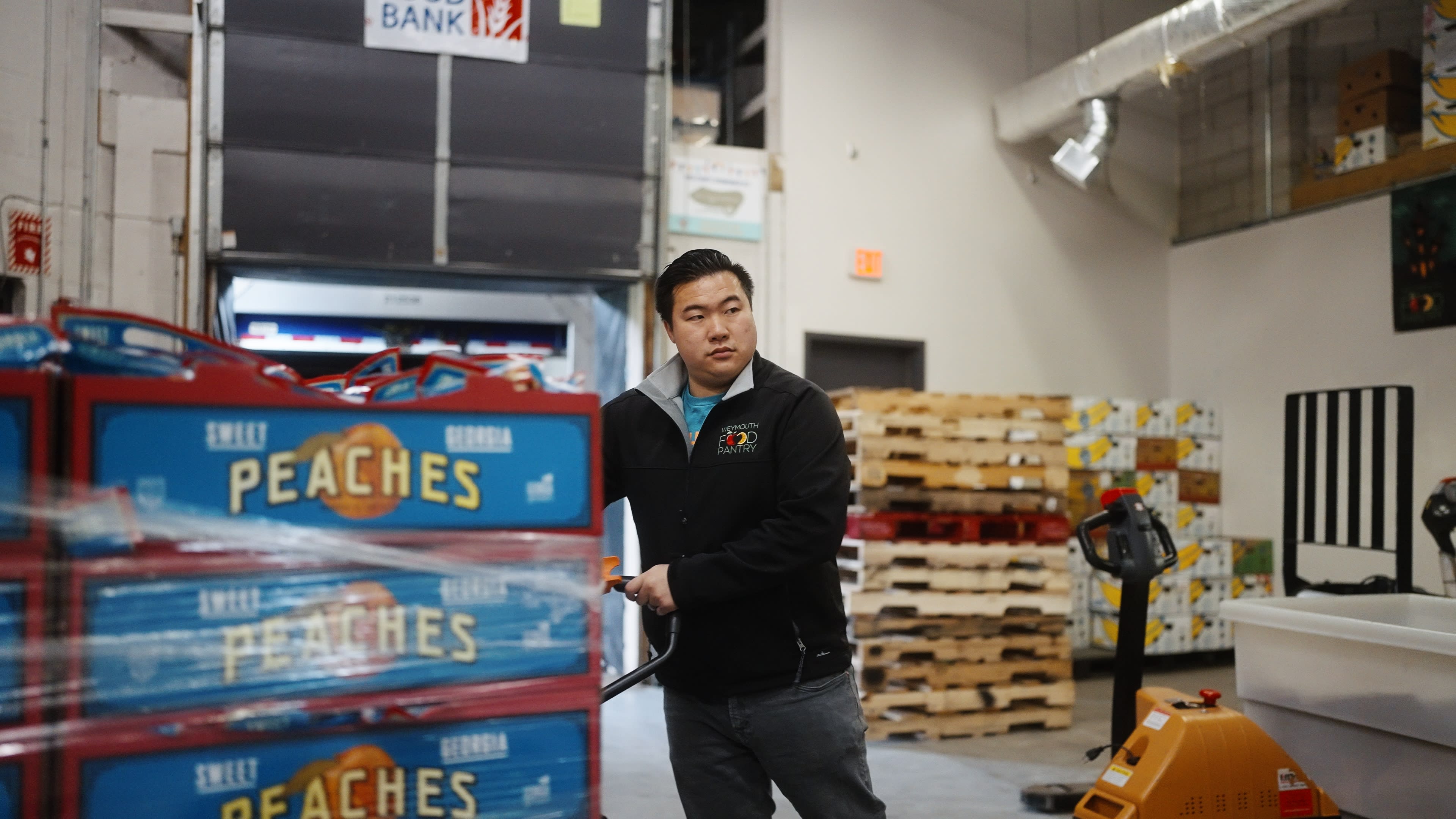
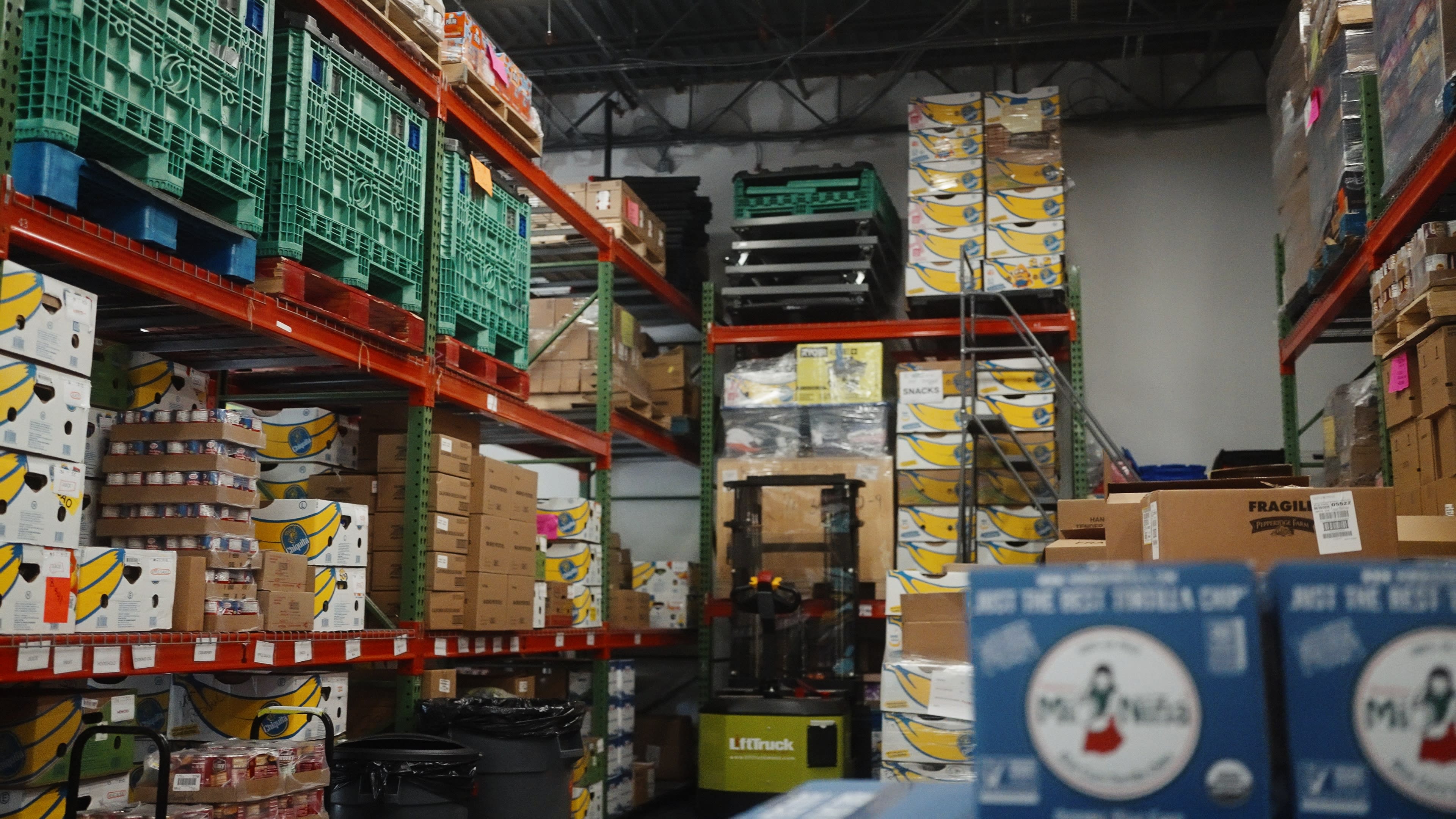
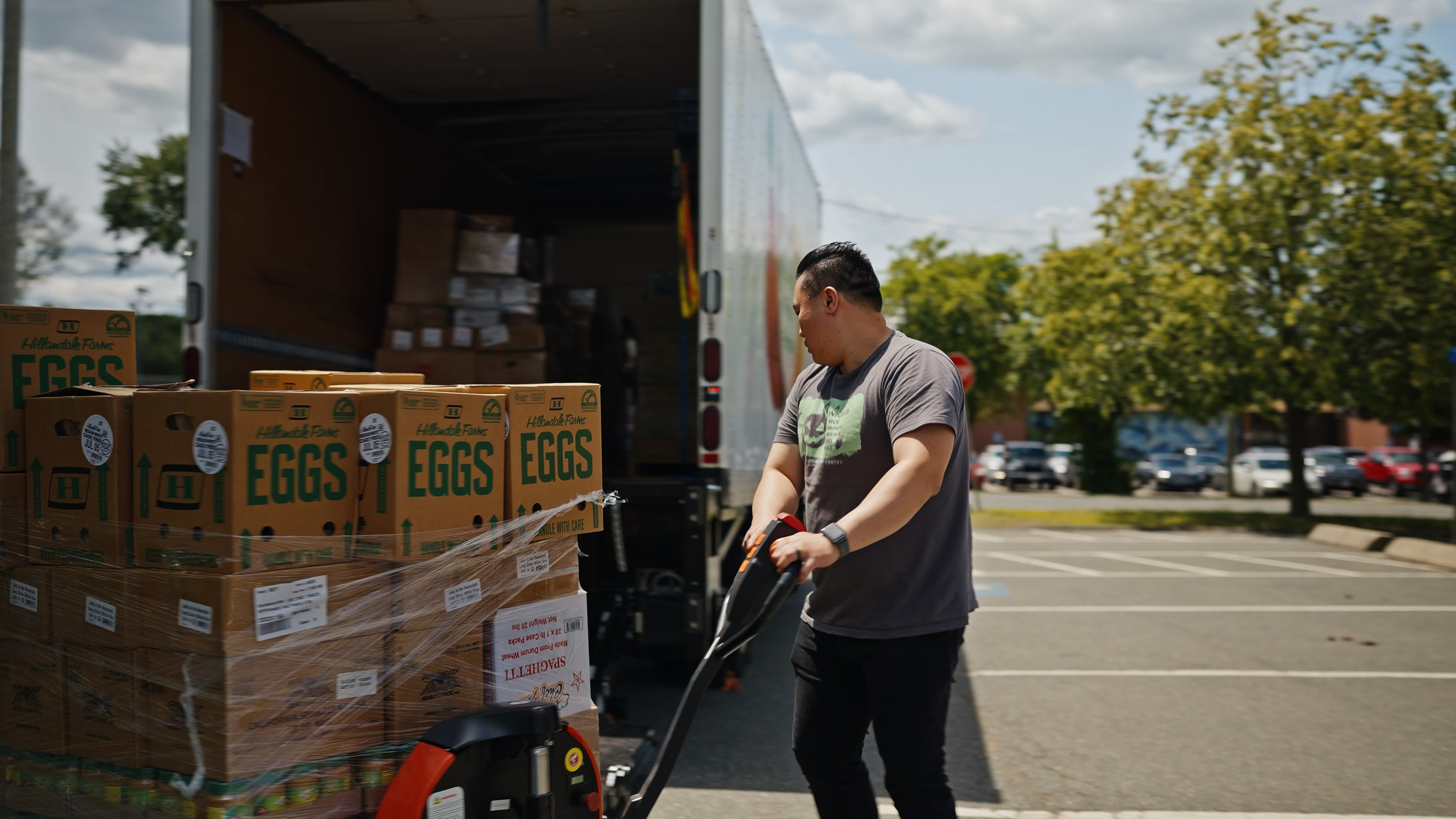
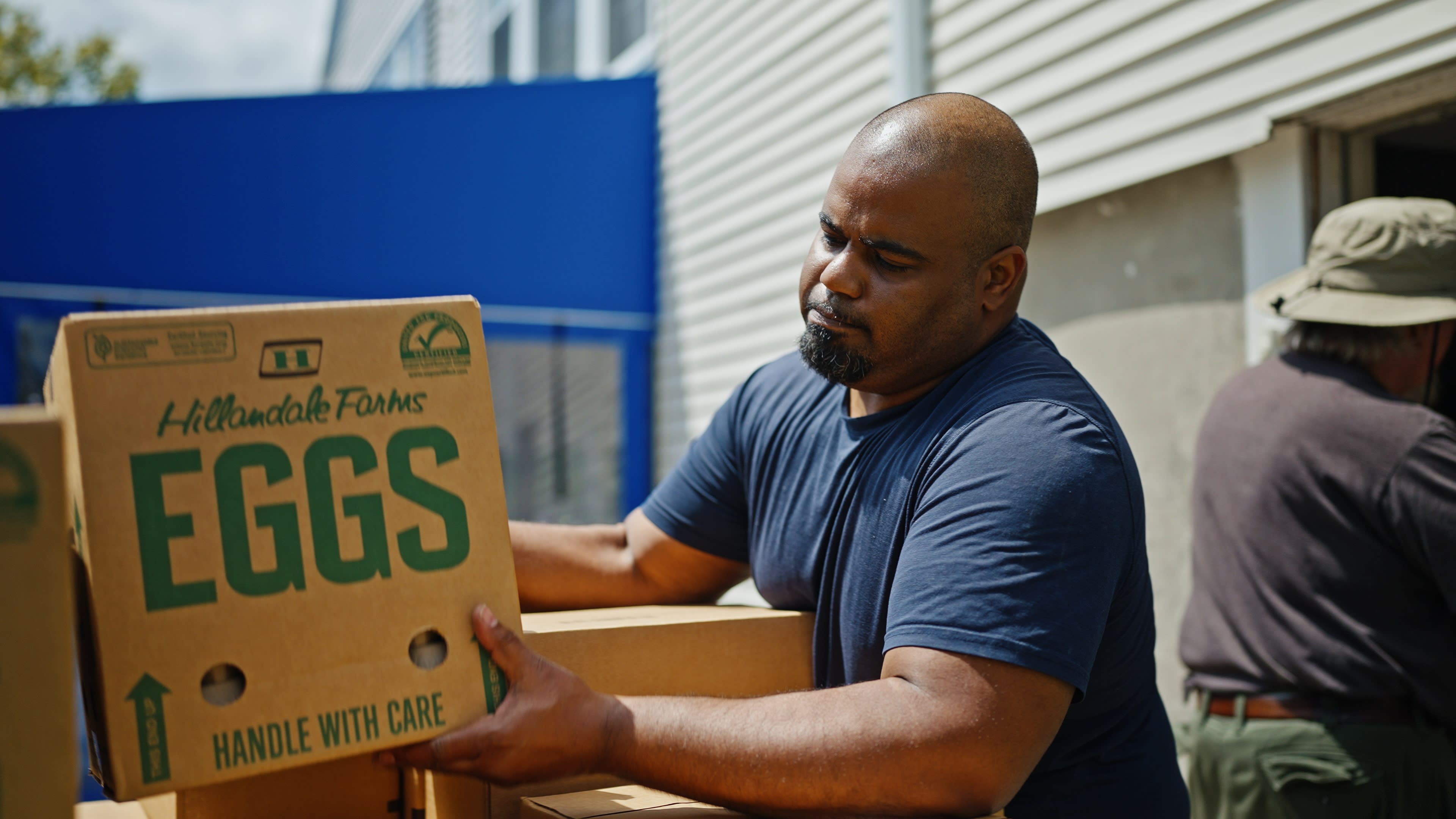
South Shore Food Bank exists to do what small, volunteer-led pantries cannot do alone. They provide the (often unknown) logistical backbone that facilitates the moving and storing of thousands of pounds of food. From warehousing, refrigeration, and operational support, SSFB facilitates the process that provides the bulk of food offered in pantries on the South Shore.
The organization also serves as a partner site of the Greater Boston Food Bank, helping expand capacity outside the metro area. This partnership isn’t just a “nice to have”, it’s what makes getting bulk food from GBFP, to small pantries on the South Shore, possible. SSFB’s system allows neighborhood pantries to focus on service while SSFB handles the infrastructure for sourcing food, managing distribution, and maintaining cold storage to keep produce fresh.
In the words of Pam Denholm, “When we share resources, everyone wins. We make it possible for small pantries to serve their communities with the same dignity and consistency as the largest organizations.”
From the outside, it might look like trucks and shelves. But in reality, it’s the connective tissue volunteers, farmers, donors, and families use to accomplish their shared goal: to feed, and be fed.
The Backbone of a Region
Warehousing, coordination, and compassion working together.
South Shore Food Bank exists to do what small, volunteer-led pantries cannot do alone. They provide the (often unknown) logistical backbone that facilitates the moving and storing of thousands of pounds of food. From warehousing, refrigeration, and operational support, SSFB facilitates the process that provides the bulk of food offered in pantries on the South Shore.
The organization also serves as a partner site of the Greater Boston Food Bank, helping expand capacity outside the metro area. This partnership isn’t just a “nice to have”, it’s what makes getting bulk food from GBFP, to small pantries on the South Shore, possible. SSFB’s system allows neighborhood pantries to focus on service while SSFB handles the infrastructure for sourcing food, managing distribution, and maintaining cold storage to keep produce fresh.
In the words of Pam Denholm, “When we share resources, everyone wins. We make it possible for small pantries to serve their communities with the same dignity and consistency as the largest organizations.”
From the outside, it might look like trucks and shelves. But in reality, it’s the connective tissue volunteers, farmers, donors, and families use to accomplish their shared goal: to feed, and be fed.
The Backbone of a Region
Warehousing, coordination, and compassion working together.
South Shore Food Bank exists to do what small, volunteer-led pantries cannot do alone. They provide the (often unknown) logistical backbone that facilitates the moving and storing of thousands of pounds of food. From warehousing, refrigeration, and operational support, SSFB facilitates the process that provides the bulk of food offered in pantries on the South Shore.
The organization also serves as a partner site of the Greater Boston Food Bank, helping expand capacity outside the metro area. This partnership isn’t just a “nice to have”, it’s what makes getting bulk food from GBFP, to small pantries on the South Shore, possible. SSFB’s system allows neighborhood pantries to focus on service while SSFB handles the infrastructure for sourcing food, managing distribution, and maintaining cold storage to keep produce fresh.
In the words of Pam Denholm, “When we share resources, everyone wins. We make it possible for small pantries to serve their communities with the same dignity and consistency as the largest organizations.”
From the outside, it might look like trucks and shelves. But in reality, it’s the connective tissue volunteers, farmers, donors, and families use to accomplish their shared goal: to feed, and be fed.
The Pandemic’s Legacy
Why the need hasn’t gone away and what SSFB is doing about it.
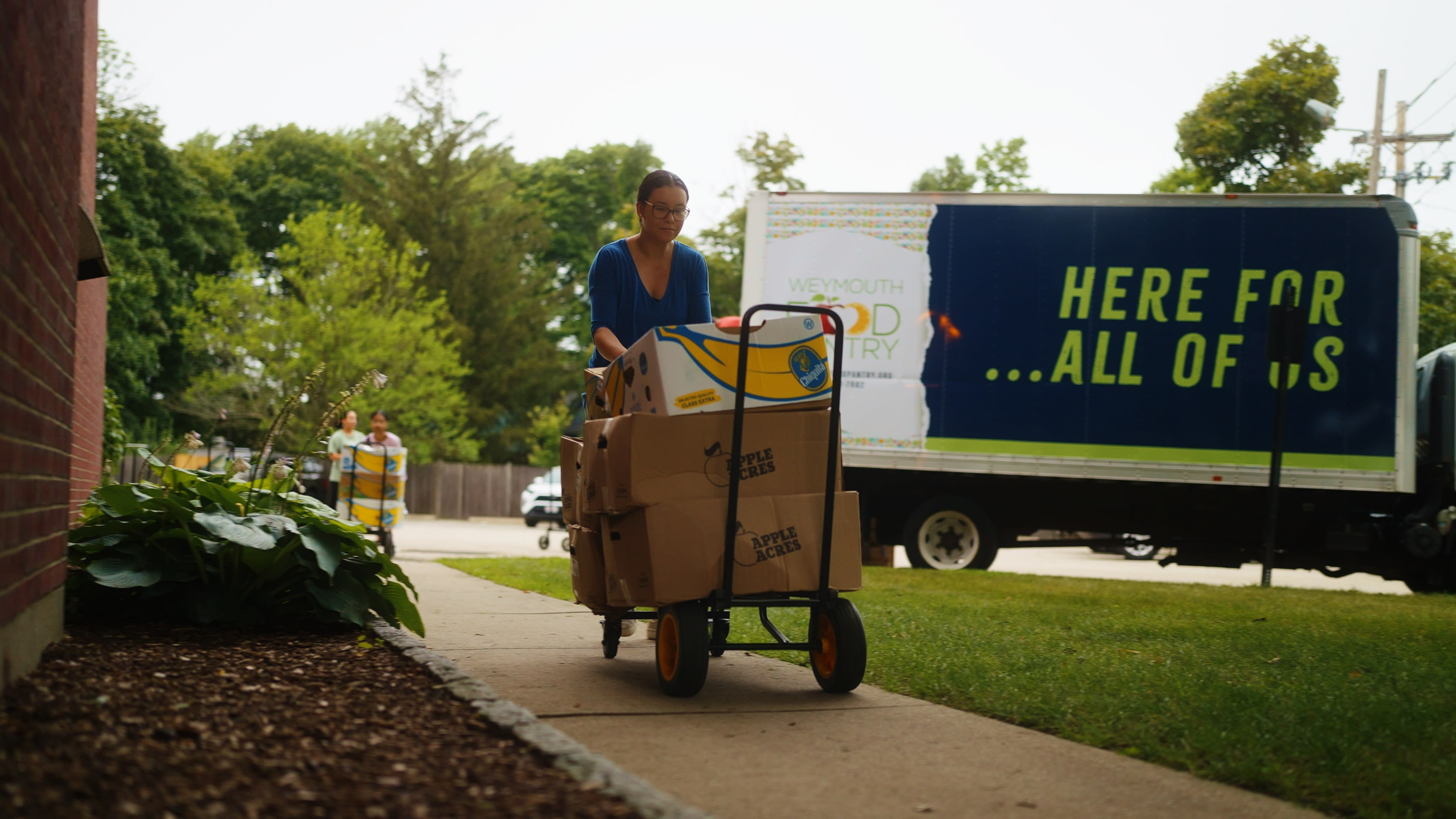
When COVID-19 hit, food insecurity in Massachusetts spiked overnight. At the height of 2020, one in three residents reported struggling to afford food, according to the Greater Boston Food Bank Hunger Report 2024. That number never returned to pre-pandemic levels.
Even today, as pandemic relief programs have ended, the need persists. The USDA’s 2024 Food Security Report found that food insecurity in the U.S. rose to 12.8% of households; the highest rate since 2014. And on the South Shore, where the cost of living continues to rise, many families who never expected to visit a food pantry now depend on one.
SSFB stepped into that widening gap with practical solutions. They scaled up storage, expanded partnerships, and began investing in long-term regional capacity. As Pam Denholm put it, “Access shouldn’t depend on crisis. Food security should be built into the structure of our communities.”
The Pandemic’s Legacy
Why the need hasn’t gone away and what SSFB is doing about it.
When COVID-19 hit, food insecurity in Massachusetts spiked overnight. At the height of 2020, one in three residents reported struggling to afford food, according to the Greater Boston Food Bank Hunger Report 2024. That number never returned to pre-pandemic levels.
Even today, as pandemic relief programs have ended, the need persists. The USDA’s 2024 Food Security Report found that food insecurity in the U.S. rose to 12.8% of households; the highest rate since 2014. And on the South Shore, where the cost of living continues to rise, many families who never expected to visit a food pantry now depend on one.
SSFB stepped into that widening gap with practical solutions. They scaled up storage, expanded partnerships, and began investing in long-term regional capacity. As Pam Denholm put it, “Access shouldn’t depend on crisis. Food security should be built into the structure of our communities.”
The Pandemic’s Legacy
Why the need hasn’t gone away and what SSFB is doing about it.
When COVID-19 hit, food insecurity in Massachusetts spiked overnight. At the height of 2020, one in three residents reported struggling to afford food, according to the Greater Boston Food Bank Hunger Report 2024. That number never returned to pre-pandemic levels.
Even today, as pandemic relief programs have ended, the need persists. The USDA’s 2024 Food Security Report found that food insecurity in the U.S. rose to 12.8% of households; the highest rate since 2014. And on the South Shore, where the cost of living continues to rise, many families who never expected to visit a food pantry now depend on one.
SSFB stepped into that widening gap with practical solutions. They scaled up storage, expanded partnerships, and began investing in long-term regional capacity. As Pam Denholm put it, “Access shouldn’t depend on crisis. Food security should be built into the structure of our communities.”
Feed the Wey > Taking Access on the Road
Bringing fresh food and dignity to every neighborhood.
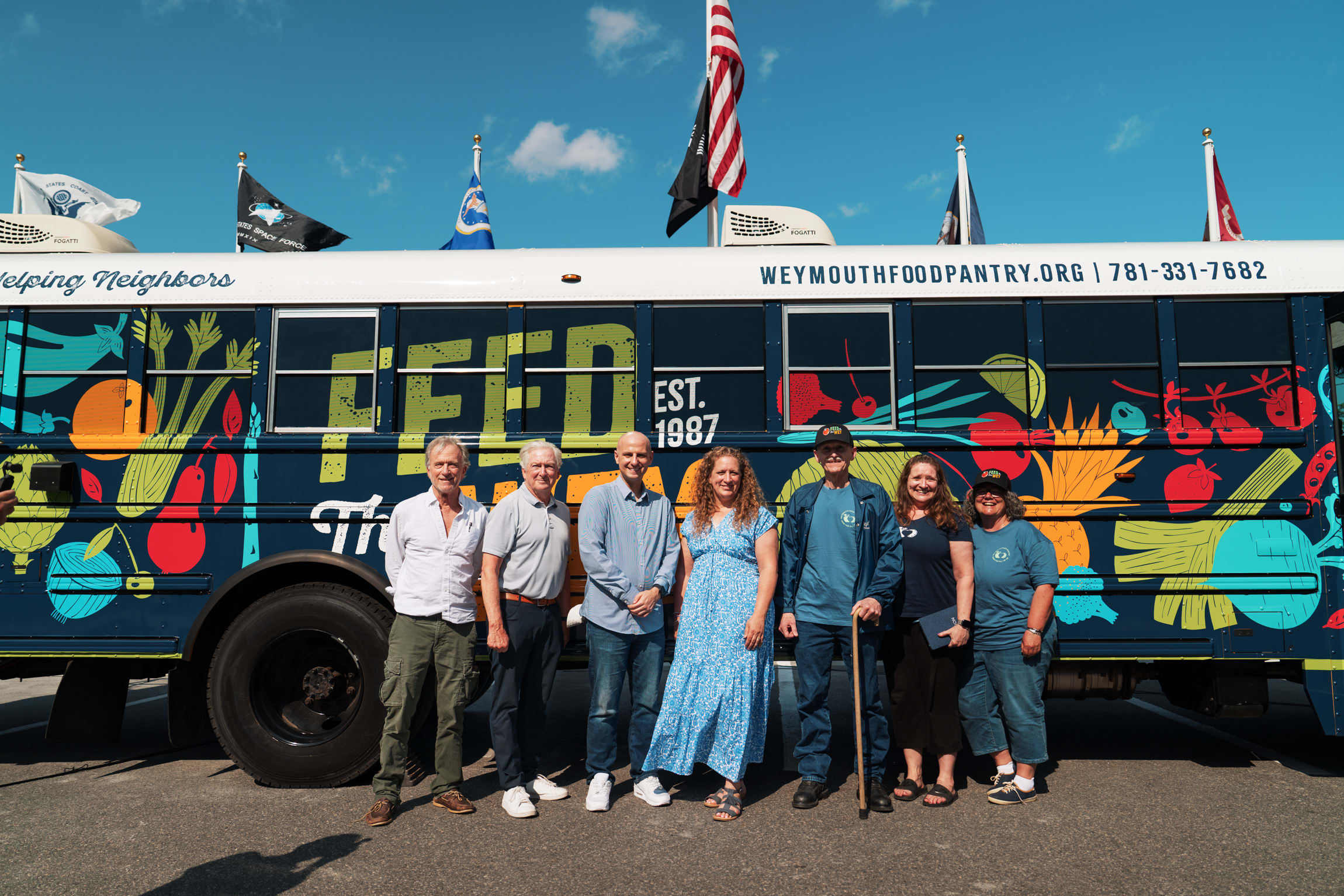
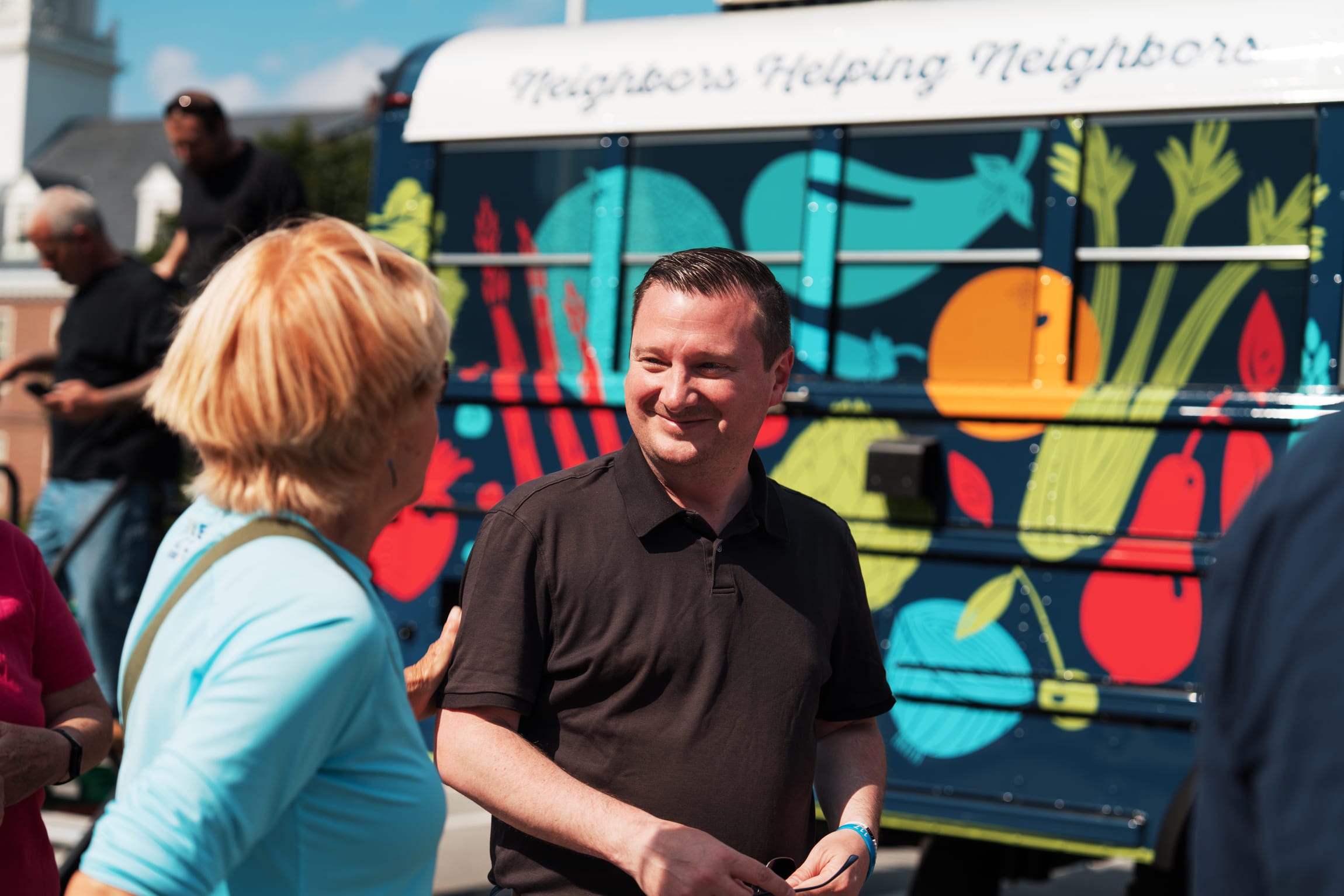
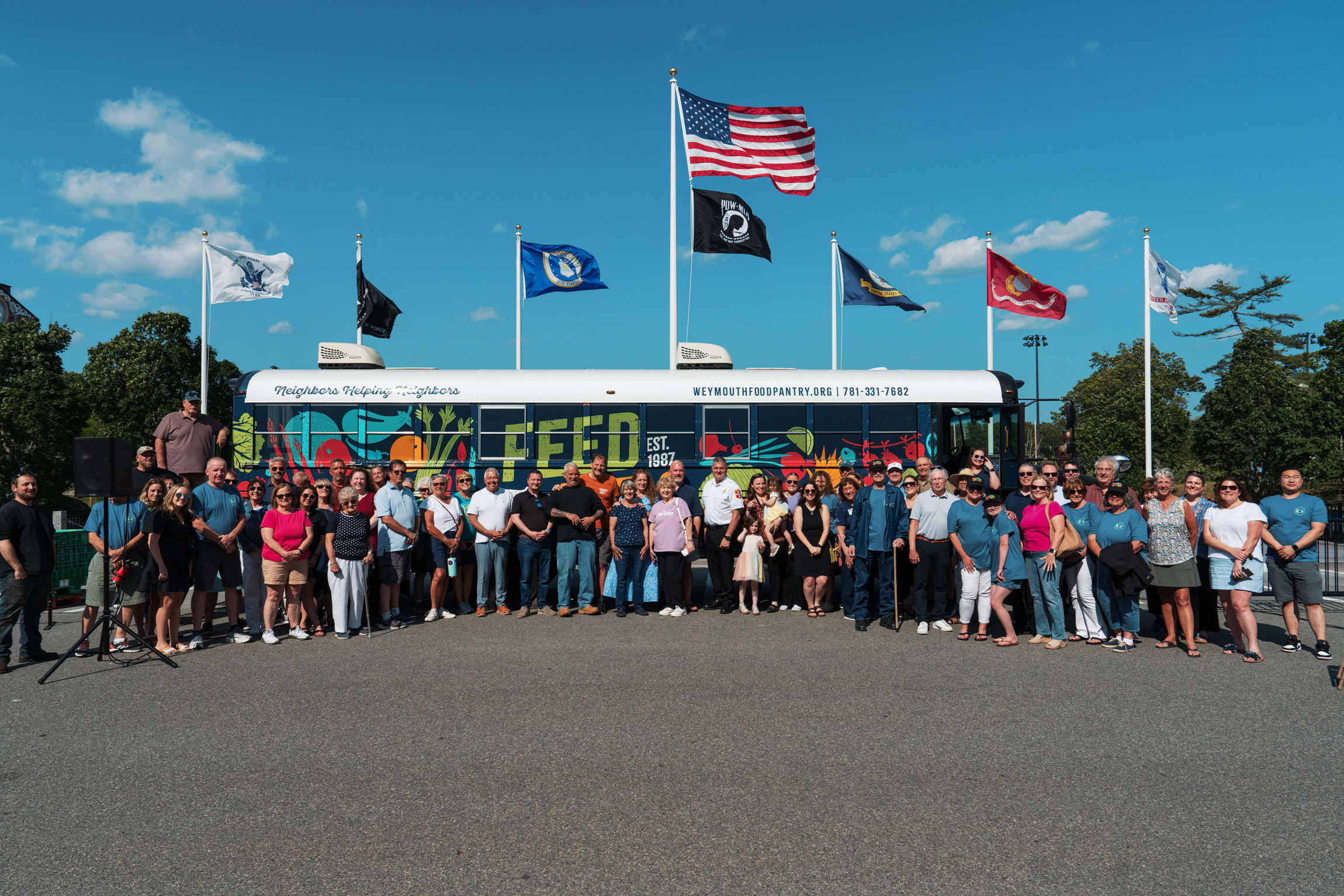
Feed the Wey, the mobile pantry created by SSFB and the Weymouth Food Pantry, takes food access directly to neighborhoods across the South Shore. The former school bus is a one-of-a-kind piece of ingenuity that should be the national blueprint for eliminating food scarcity and providing meals during disaster relief.
Generously donating their labor, Red’s Truck and Equipment Repair retrofitted the bus with custom metalwork that allowed rolling shelves and refrigerators to be secured to the sides of the bus. Red’s also created a custom ramp at the tail end of the bus so it feels like an actual grocery aisle. This intentional design isn’t just aesthetic, it also allows the shelves to be swapped out by a single person in just a few seconds. The flexibility this creates means the pantry can stock shelves with kid-friendly snacks when serving families and just as easily swap out for senior-friendly food for a distribution at the senior center the same day.
Each stop is stocked with fresh produce, pantry staples, and refrigerated items that are easy to shop. But what stands out the most is that it doesn’t feel like a traditional food pantry. It’s exciting. It’s fun. And at a time when people who never thought they’d need food assistance find themselves in pantry lines, it’s a place that doesn’t feel like charity. “We wanted to remove the stigma,” said Denholm in a 2025 interview. “When people walk onto that bus, they’re greeted with respect and choice.”
The Feed the Wey mobile pantry has since become a model for other communities, proving that flexibility and innovation can travel hand in hand with dignity.
Feed the Wey > Taking Access on the Road
Bringing fresh food and dignity to every neighborhood.
Feed the Wey, the mobile pantry created by SSFB and the Weymouth Food Pantry, takes food access directly to neighborhoods across the South Shore. The former school bus is a one-of-a-kind piece of ingenuity that should be the national blueprint for eliminating food scarcity and providing meals during disaster relief.
Generously donating their labor, Red’s Truck and Equipment Repair retrofitted the bus with custom metalwork that allowed rolling shelves and refrigerators to be secured to the sides of the bus. Red’s also created a custom ramp at the tail end of the bus so it feels like an actual grocery aisle. This intentional design isn’t just aesthetic, it also allows the shelves to be swapped out by a single person in just a few seconds. The flexibility this creates means the pantry can stock shelves with kid-friendly snacks when serving families and just as easily swap out for senior-friendly food for a distribution at the senior center the same day.
Each stop is stocked with fresh produce, pantry staples, and refrigerated items that are easy to shop. But what stands out the most is that it doesn’t feel like a traditional food pantry. It’s exciting. It’s fun. And at a time when people who never thought they’d need food assistance find themselves in pantry lines, it’s a place that doesn’t feel like charity. “We wanted to remove the stigma,” said Denholm in a 2025 interview. “When people walk onto that bus, they’re greeted with respect and choice.”
The Feed the Wey mobile pantry has since become a model for other communities, proving that flexibility and innovation can travel hand in hand with dignity.
Feed the Wey > Taking Access on the Road
Bringing fresh food and dignity to every neighborhood.
Feed the Wey, the mobile pantry created by SSFB and the Weymouth Food Pantry, takes food access directly to neighborhoods across the South Shore. The former school bus is a one-of-a-kind piece of ingenuity that should be the national blueprint for eliminating food scarcity and providing meals during disaster relief.
Generously donating their labor, Red’s Truck and Equipment Repair retrofitted the bus with custom metalwork that allowed rolling shelves and refrigerators to be secured to the sides of the bus. Red’s also created a custom ramp at the tail end of the bus so it feels like an actual grocery aisle. This intentional design isn’t just aesthetic, it also allows the shelves to be swapped out by a single person in just a few seconds. The flexibility this creates means the pantry can stock shelves with kid-friendly snacks when serving families and just as easily swap out for senior-friendly food for a distribution at the senior center the same day.
Each stop is stocked with fresh produce, pantry staples, and refrigerated items that are easy to shop. But what stands out the most is that it doesn’t feel like a traditional food pantry. It’s exciting. It’s fun. And at a time when people who never thought they’d need food assistance find themselves in pantry lines, it’s a place that doesn’t feel like charity. “We wanted to remove the stigma,” said Denholm in a 2025 interview. “When people walk onto that bus, they’re greeted with respect and choice.”
The Feed the Wey mobile pantry has since become a model for other communities, proving that flexibility and innovation can travel hand in hand with dignity.
Made with Love Meals — Cooking with Compassion
Comfort food made by local hands, shared with care.
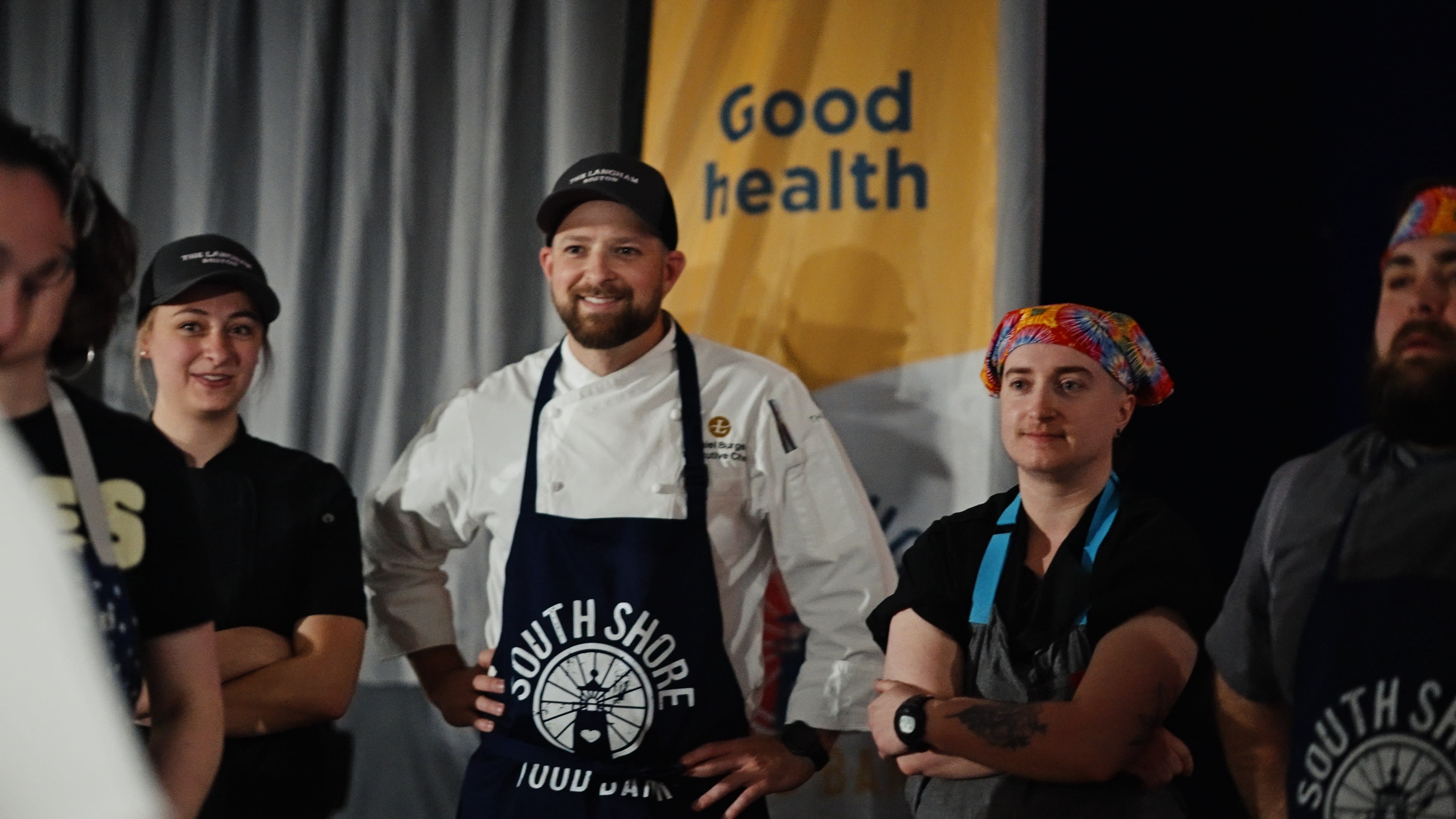
Made with Love Meals started as Chef Patricia Riddle of Patricia’s Palette and Old South Union Church’s response to the isolation of the pandemic and has grown into a beloved community fixture. Partnering with local chefs, restaurants, and volunteers, Chef Patti and SSFB prepare and deliver thousands of nutritious meals to those in need. Every ready-to-eat, fresh frozen meal carries more than food—it carries love. As one volunteer shared, “People can taste when something was made with love. It’s comfort in a box.”
From college students unable to afford meal plans after tuition, to seniors facing government benefit cuts after retirement, Made with Love Meals are a lifeline for people that defy the conventional image of who needs food assistance. It’s a poignant reminder that most of us are one missed paycheck, one unpredictable life event, or one government shutdown away from needing support from programs like Made with Love Meals ourselves.
Made with Love Meals — Cooking with Compassion
Comfort food made by local hands, shared with care.
Made with Love Meals started as Chef Patricia Riddle of Patricia’s Palette and Old South Union Church’s response to the isolation of the pandemic and has grown into a beloved community fixture. Partnering with local chefs, restaurants, and volunteers, Chef Patti and SSFB prepare and deliver thousands of nutritious meals to those in need. Every ready-to-eat, fresh frozen meal carries more than food—it carries love. As one volunteer shared, “People can taste when something was made with love. It’s comfort in a box.”
From college students unable to afford meal plans after tuition, to seniors facing government benefit cuts after retirement, Made with Love Meals are a lifeline for people that defy the conventional image of who needs food assistance. It’s a poignant reminder that most of us are one missed paycheck, one unpredictable life event, or one government shutdown away from needing support from programs like Made with Love Meals ourselves.
Made with Love Meals — Cooking with Compassion
Comfort food made by local hands, shared with care.
Made with Love Meals started as Chef Patricia Riddle of Patricia’s Palette and Old South Union Church’s response to the isolation of the pandemic and has grown into a beloved community fixture. Partnering with local chefs, restaurants, and volunteers, Chef Patti and SSFB prepare and deliver thousands of nutritious meals to those in need. Every ready-to-eat, fresh frozen meal carries more than food—it carries love. As one volunteer shared, “People can taste when something was made with love. It’s comfort in a box.”
From college students unable to afford meal plans after tuition, to seniors facing government benefit cuts after retirement, Made with Love Meals are a lifeline for people that defy the conventional image of who needs food assistance. It’s a poignant reminder that most of us are one missed paycheck, one unpredictable life event, or one government shutdown away from needing support from programs like Made with Love Meals ourselves.
The Pantry Garden is Food, Sustainability, and Teaching by Example
Growing food, growing knowledge.
In a formerly vacant plot of land next to Old South Union Church, lies one of SSFB and WFP’s most visible examples of innovation: the Pantry Garden. The land generously provided by the church to the Weymouth Food Pantry, now features a 100x100-foot plot with 26 raised beds producing over 1,480 pounds of culturally relevant produce in 2023 alone.
The garden isn’t just the yield it produces, it’s the visual representation of a community growing food for its people. Volunteers from every age group come together to plant, harvest, and learn. As Todd Brightenstein, affectionately known as The Grateful Gardener, says, “The garden is our reminder that food justice and environmental justice are the same thing.”
Whether you enjoy the smell of freshly tilled soil on a break from work, putting your gardening skills to use in retirement, or wanting to learn how to start your own urban garden, the Pantry Garden is a glimpse into the profound impact towns can have on making sure their people have access to fresh produce and never go hungry.
The Pantry Garden is Food, Sustainability, and Teaching by Example
Growing food, growing knowledge.
In a formerly vacant plot of land next to Old South Union Church, lies one of SSFB and WFP’s most visible examples of innovation: the Pantry Garden. The land generously provided by the church to the Weymouth Food Pantry, now features a 100x100-foot plot with 26 raised beds producing over 1,480 pounds of culturally relevant produce in 2023 alone.
The garden isn’t just the yield it produces, it’s the visual representation of a community growing food for its people. Volunteers from every age group come together to plant, harvest, and learn. As Todd Brightenstein, affectionately known as The Grateful Gardener, says, “The garden is our reminder that food justice and environmental justice are the same thing.”
Whether you enjoy the smell of freshly tilled soil on a break from work, putting your gardening skills to use in retirement, or wanting to learn how to start your own urban garden, the Pantry Garden is a glimpse into the profound impact towns can have on making sure their people have access to fresh produce and never go hungry.
The Pantry Garden is Food, Sustainability, and Teaching by Example
Growing food, growing knowledge.
In a formerly vacant plot of land next to Old South Union Church, lies one of SSFB and WFP’s most visible examples of innovation: the Pantry Garden. The land generously provided by the church to the Weymouth Food Pantry, now features a 100x100-foot plot with 26 raised beds producing over 1,480 pounds of culturally relevant produce in 2023 alone.
The garden isn’t just the yield it produces, it’s the visual representation of a community growing food for its people. Volunteers from every age group come together to plant, harvest, and learn. As Todd Brightenstein, affectionately known as The Grateful Gardener, says, “The garden is our reminder that food justice and environmental justice are the same thing.”
Whether you enjoy the smell of freshly tilled soil on a break from work, putting your gardening skills to use in retirement, or wanting to learn how to start your own urban garden, the Pantry Garden is a glimpse into the profound impact towns can have on making sure their people have access to fresh produce and never go hungry.
Randolph Friendly Food Pantry and Designing Dignity
A new model for food access, built with empathy.
In partnership with Interfaith Social Services and the Town of Randolph, SSFB supported the transformation of the Randolph Friendly Food Pantry into a space built for dignity.
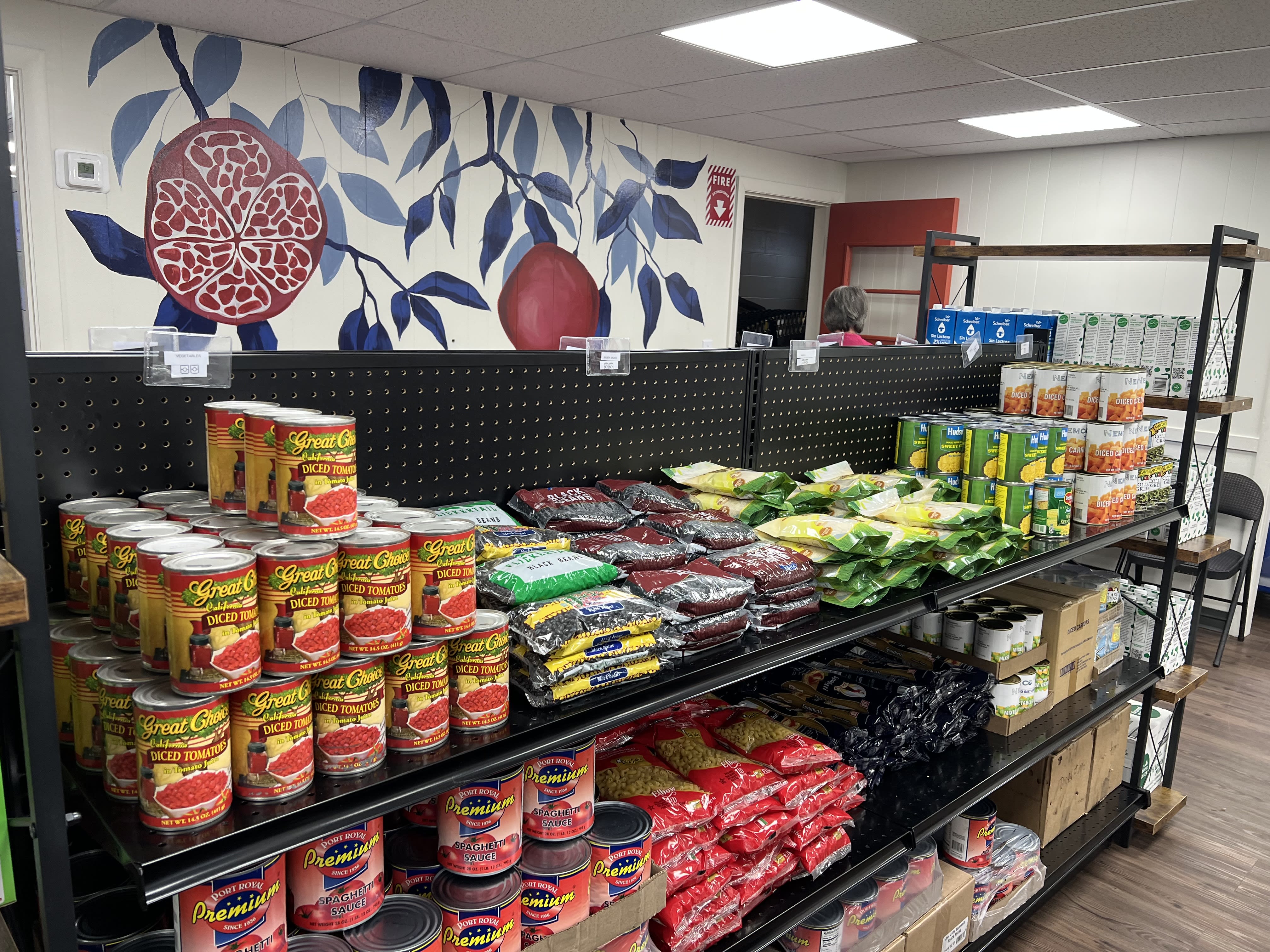
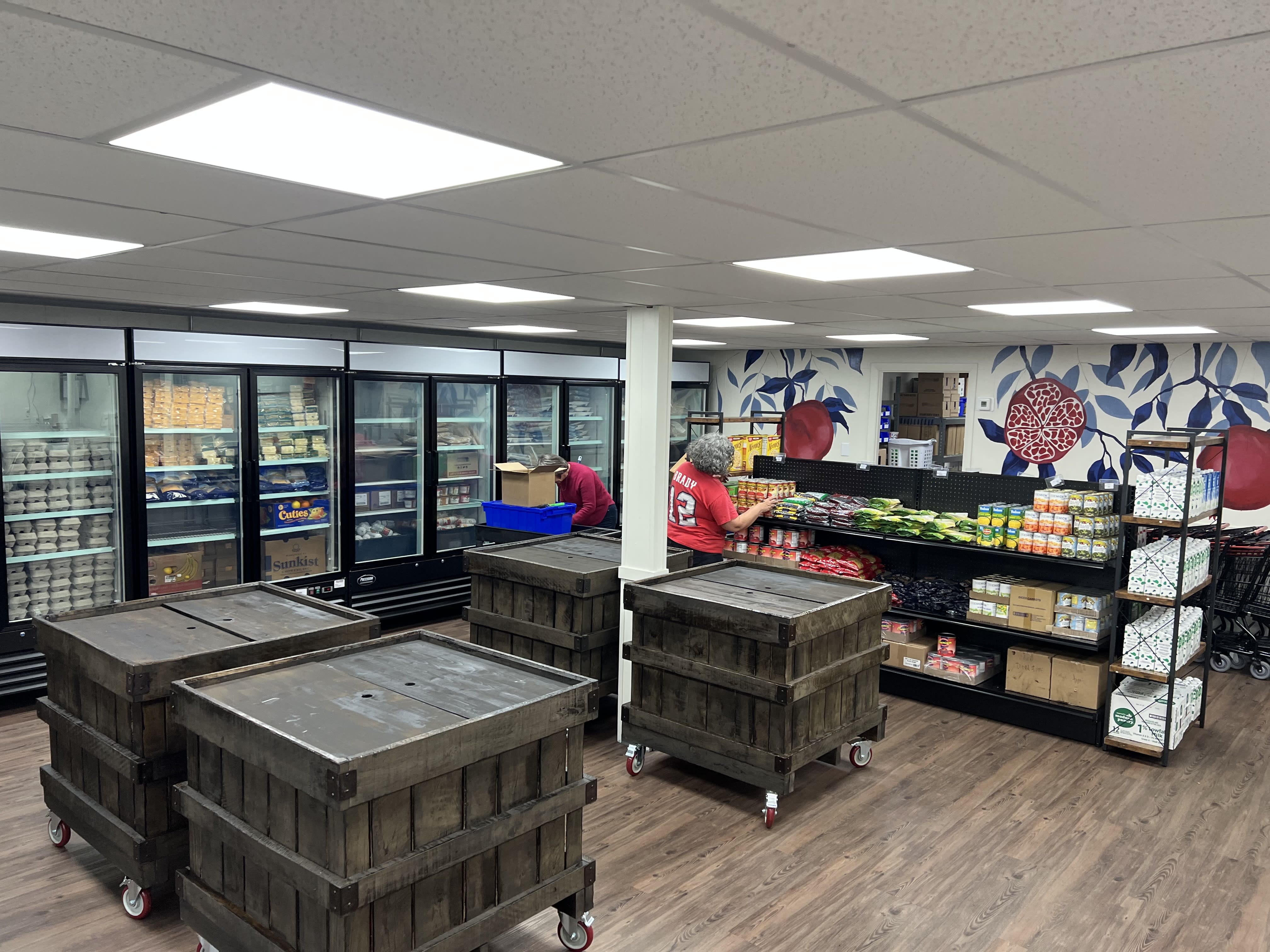
The redesign replaced long lines and pre-packed bags with open shelves, shopping carts, and an aesthetic no different than a boutique grocer. The remodel highlights that small details change how people feel when receiving food. Rick Doane, Executive Director of Interfaith Social Services, described it best: “People walk in here and don’t feel like they’re asking for help. They feel like they’re shopping at their local market.”
The model has since become a blueprint for other pantries across the region and is changing the preconceived notion that help has to feel like a hand-out.
Randolph Friendly Food Pantry and Designing Dignity
A new model for food access, built with empathy.
In partnership with Interfaith Social Services and the Town of Randolph, SSFB supported the transformation of the Randolph Friendly Food Pantry into a space built for dignity.
The redesign replaced long lines and pre-packed bags with open shelves, shopping carts, and an aesthetic no different than a boutique grocer. The remodel highlights that small details change how people feel when receiving food. Rick Doane, Executive Director of Interfaith Social Services, described it best: “People walk in here and don’t feel like they’re asking for help. They feel like they’re shopping at their local market.”
The model has since become a blueprint for other pantries across the region and is changing the preconceived notion that help has to feel like a hand-out.
Randolph Friendly Food Pantry and Designing Dignity
A new model for food access, built with empathy.
In partnership with Interfaith Social Services and the Town of Randolph, SSFB supported the transformation of the Randolph Friendly Food Pantry into a space built for dignity.
The redesign replaced long lines and pre-packed bags with open shelves, shopping carts, and an aesthetic no different than a boutique grocer. The remodel highlights that small details change how people feel when receiving food. Rick Doane, Executive Director of Interfaith Social Services, described it best: “People walk in here and don’t feel like they’re asking for help. They feel like they’re shopping at their local market.”
The model has since become a blueprint for other pantries across the region and is changing the preconceived notion that help has to feel like a hand-out.
The Regional Hub Vision
How shared infrastructure strengthens an entire network.
Each of these programs—mobile pantries, prepared meals, gardens, and redesigned spaces—feeds into a larger system. SSFB’s facility in Weymouth serves as the South Shore’s regional hub for food access. With industrial refrigeration, cold storage, and warehousing, it functions as the logistical heart of a decentralized network. From this hub, SSFB supports dozens of local pantries, senior centers, and community programs stretching from Plymouth to Quincy.
Nick Bulens, SSFB’s Board Chair, summarized the vision as: “We’re not just responding to hunger—we’re building resilience. Every investment we make in storage, logistics, and infrastructure helps small organizations serve more people, faster, and with dignity.”
That statement captures what makes SSFB’s model distinct. It’s not charity; it’s coordination. A structure built to last beyond crises, with scalability built into its design.
The Regional Hub Vision
How shared infrastructure strengthens an entire network.
Each of these programs—mobile pantries, prepared meals, gardens, and redesigned spaces—feeds into a larger system. SSFB’s facility in Weymouth serves as the South Shore’s regional hub for food access. With industrial refrigeration, cold storage, and warehousing, it functions as the logistical heart of a decentralized network. From this hub, SSFB supports dozens of local pantries, senior centers, and community programs stretching from Plymouth to Quincy.
Nick Bulens, SSFB’s Board Chair, summarized the vision as: “We’re not just responding to hunger—we’re building resilience. Every investment we make in storage, logistics, and infrastructure helps small organizations serve more people, faster, and with dignity.”
That statement captures what makes SSFB’s model distinct. It’s not charity; it’s coordination. A structure built to last beyond crises, with scalability built into its design.
The Regional Hub Vision
How shared infrastructure strengthens an entire network.
Each of these programs—mobile pantries, prepared meals, gardens, and redesigned spaces—feeds into a larger system. SSFB’s facility in Weymouth serves as the South Shore’s regional hub for food access. With industrial refrigeration, cold storage, and warehousing, it functions as the logistical heart of a decentralized network. From this hub, SSFB supports dozens of local pantries, senior centers, and community programs stretching from Plymouth to Quincy.
Nick Bulens, SSFB’s Board Chair, summarized the vision as: “We’re not just responding to hunger—we’re building resilience. Every investment we make in storage, logistics, and infrastructure helps small organizations serve more people, faster, and with dignity.”
That statement captures what makes SSFB’s model distinct. It’s not charity; it’s coordination. A structure built to last beyond crises, with scalability built into its design.
Creative Partnership & The Firefly Project
How collaboration amplifies purpose.
Through the Firefly Project, we awarded South Shore Food Bank and its partner organizations a reduced retainer to help bring consistency and story to their expanding network.
The work has included brand development, website frameworks, campaign strategy, photography, and storytelling—tools to amplify what SSFB already does best. As Pam Denholm shared, “Storytelling is infrastructure, too. It connects people to our mission as much as any truck or warehouse.”
This partnership reflects what the Firefly Project stands for: supporting organizations doing essential work through creative collaboration that multiplies their reach.
Creative Partnership & The Firefly Project
How collaboration amplifies purpose.
Through the Firefly Project, we awarded South Shore Food Bank and its partner organizations a reduced retainer to help bring consistency and story to their expanding network.
The work has included brand development, website frameworks, campaign strategy, photography, and storytelling—tools to amplify what SSFB already does best. As Pam Denholm shared, “Storytelling is infrastructure, too. It connects people to our mission as much as any truck or warehouse.”
This partnership reflects what the Firefly Project stands for: supporting organizations doing essential work through creative collaboration that multiplies their reach.
Creative Partnership & The Firefly Project
How collaboration amplifies purpose.
Through the Firefly Project, we awarded South Shore Food Bank and its partner organizations a reduced retainer to help bring consistency and story to their expanding network.
The work has included brand development, website frameworks, campaign strategy, photography, and storytelling—tools to amplify what SSFB already does best. As Pam Denholm shared, “Storytelling is infrastructure, too. It connects people to our mission as much as any truck or warehouse.”
This partnership reflects what the Firefly Project stands for: supporting organizations doing essential work through creative collaboration that multiplies their reach.
The Power of Partnership
Building a stronger, more connected South Shore.
From a single introduction at a local pantry to a regional hub serving thousands, our work with South Shore Food Bank reflects what can happen when creative strategy and community purpose align.
SSFB’s story is so much bigger than a food bank. It’s a model for how we can change our communities just by connecting non-profits, for-profits, and volunteers to solve local problems. It’s about the people who load trucks before dawn, the volunteers who harvest in the heat, and the leaders who believe access to food is access to dignity.
You can explore more about their creative initiatives, including their annual fundraiser and community collaborations, in our blog covering SSFB’s 2025 Food Fight Fundraiser featuring celebrity Chef Stephen Coe.
And it’s about what comes next: a stronger, more connected South Shore where no one has to go hungry to be seen.
The Power of Partnership
Building a stronger, more connected South Shore.
From a single introduction at a local pantry to a regional hub serving thousands, our work with South Shore Food Bank reflects what can happen when creative strategy and community purpose align.
SSFB’s story is so much bigger than a food bank. It’s a model for how we can change our communities just by connecting non-profits, for-profits, and volunteers to solve local problems. It’s about the people who load trucks before dawn, the volunteers who harvest in the heat, and the leaders who believe access to food is access to dignity.
You can explore more about their creative initiatives, including their annual fundraiser and community collaborations, in our blog covering SSFB’s 2025 Food Fight Fundraiser featuring celebrity Chef Stephen Coe.
And it’s about what comes next: a stronger, more connected South Shore where no one has to go hungry to be seen.
The Power of Partnership
Building a stronger, more connected South Shore.
From a single introduction at a local pantry to a regional hub serving thousands, our work with South Shore Food Bank reflects what can happen when creative strategy and community purpose align.
SSFB’s story is so much bigger than a food bank. It’s a model for how we can change our communities just by connecting non-profits, for-profits, and volunteers to solve local problems. It’s about the people who load trucks before dawn, the volunteers who harvest in the heat, and the leaders who believe access to food is access to dignity.
You can explore more about their creative initiatives, including their annual fundraiser and community collaborations, in our blog covering SSFB’s 2025 Food Fight Fundraiser featuring celebrity Chef Stephen Coe.
And it’s about what comes next: a stronger, more connected South Shore where no one has to go hungry to be seen.