
Neighbors Helping Neighbors
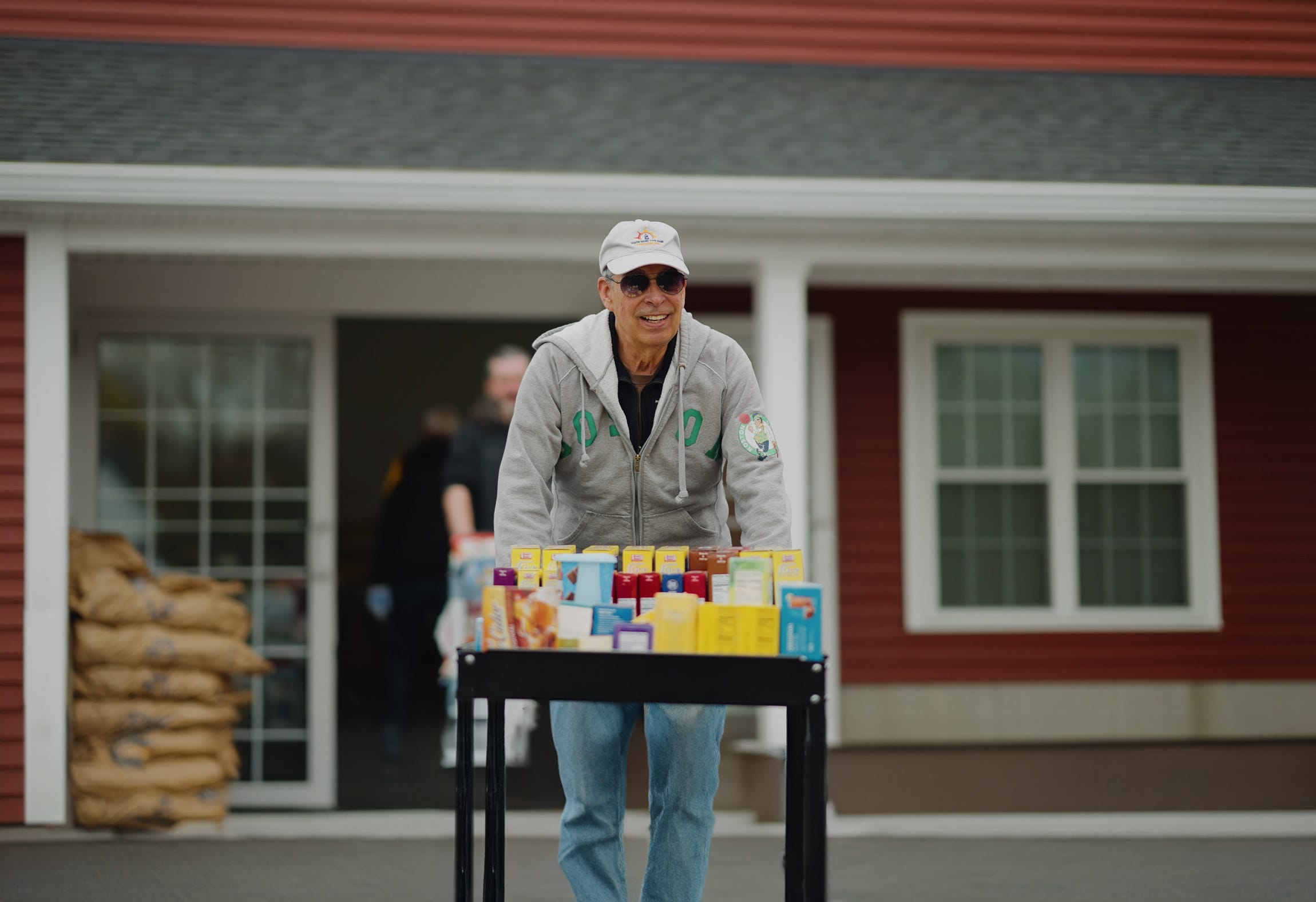
The Firefly Project began with showing up. Before Metacomet Studio existed in any formal way, I started volunteering at the West Bridgewater Food Pantry. There wasn’t a larger plan attached to it. I wasn’t thinking about creative work, business opportunities, or long-term outcomes. I just wanted to do something that felt useful and grounded in the place where I live.
Volunteering put me inside the day-to-day rhythm of the pantry. I saw how distributions were organized, how much coordination was required, and how much trust people placed in the volunteers running it. I also saw how often people arrived carrying more than groceries. Many were navigating moments they hadn’t anticipated and didn’t quite know how to talk about.
As I spent more time there, another pattern became clear. The pantry was doing essential work with limited tools and limited capacity. The challenges weren’t about motivation or care. They were structural. There were gaps that effort alone couldn’t solve.
My role didn’t shift all at once. Wanting to help more came from being present. One form of support naturally led to another. The West Bridgewater Food Pantry became the first Firefly Project partner because the work itself revealed what was possible.
The Pantry, in Their Words
More than a place to pick up groceries.
The West Bridgewater Food Pantry serves more than 100 families each month and distributes over 2,500 pounds of food through a low-barrier access model. Residents only need proof of address. No financial documentation is required. The goal is straightforward: make it possible for people to get what they need without additional stress layered on top.
Cheryl Chadwick, the pantry’s director, talks openly about seeing neighbors sit in their cars and say, “I never thought I’d be here.” Some lost jobs during the pandemic. Others continue to feel the impact of rising grocery costs and reduced benefits. Items many of us treat as basics have become harder to afford consistently.
What stood out to me wasn’t only the volume of need. It was the consistency of the response. Volunteers opened the doors. Food was prepared and organized. People were greeted with familiarity and care.
Cheryl describes the goal simply: help people get through a difficult stretch and make sure they don’t go hungry while they do.
The Pantry, in Their Words
More than a place to pick up groceries.
The West Bridgewater Food Pantry serves more than 100 families each month and distributes over 2,500 pounds of food through a low-barrier access model. Residents only need proof of address. No financial documentation is required. The goal is straightforward: make it possible for people to get what they need without additional stress layered on top.
Cheryl Chadwick, the pantry’s director, talks openly about seeing neighbors sit in their cars and say, “I never thought I’d be here.” Some lost jobs during the pandemic. Others continue to feel the impact of rising grocery costs and reduced benefits. Items many of us treat as basics have become harder to afford consistently.
What stood out to me wasn’t only the volume of need. It was the consistency of the response. Volunteers opened the doors. Food was prepared and organized. People were greeted with familiarity and care.
Cheryl describes the goal simply: help people get through a difficult stretch and make sure they don’t go hungry while they do.
The Pantry, in Their Words
More than a place to pick up groceries.
The West Bridgewater Food Pantry serves more than 100 families each month and distributes over 2,500 pounds of food through a low-barrier access model. Residents only need proof of address. No financial documentation is required. The goal is straightforward: make it possible for people to get what they need without additional stress layered on top.
Cheryl Chadwick, the pantry’s director, talks openly about seeing neighbors sit in their cars and say, “I never thought I’d be here.” Some lost jobs during the pandemic. Others continue to feel the impact of rising grocery costs and reduced benefits. Items many of us treat as basics have become harder to afford consistently.
What stood out to me wasn’t only the volume of need. It was the consistency of the response. Volunteers opened the doors. Food was prepared and organized. People were greeted with familiarity and care.
Cheryl describes the goal simply: help people get through a difficult stretch and make sure they don’t go hungry while they do.
The People Who Make It Work
Volunteers, time, and shared responsibility.
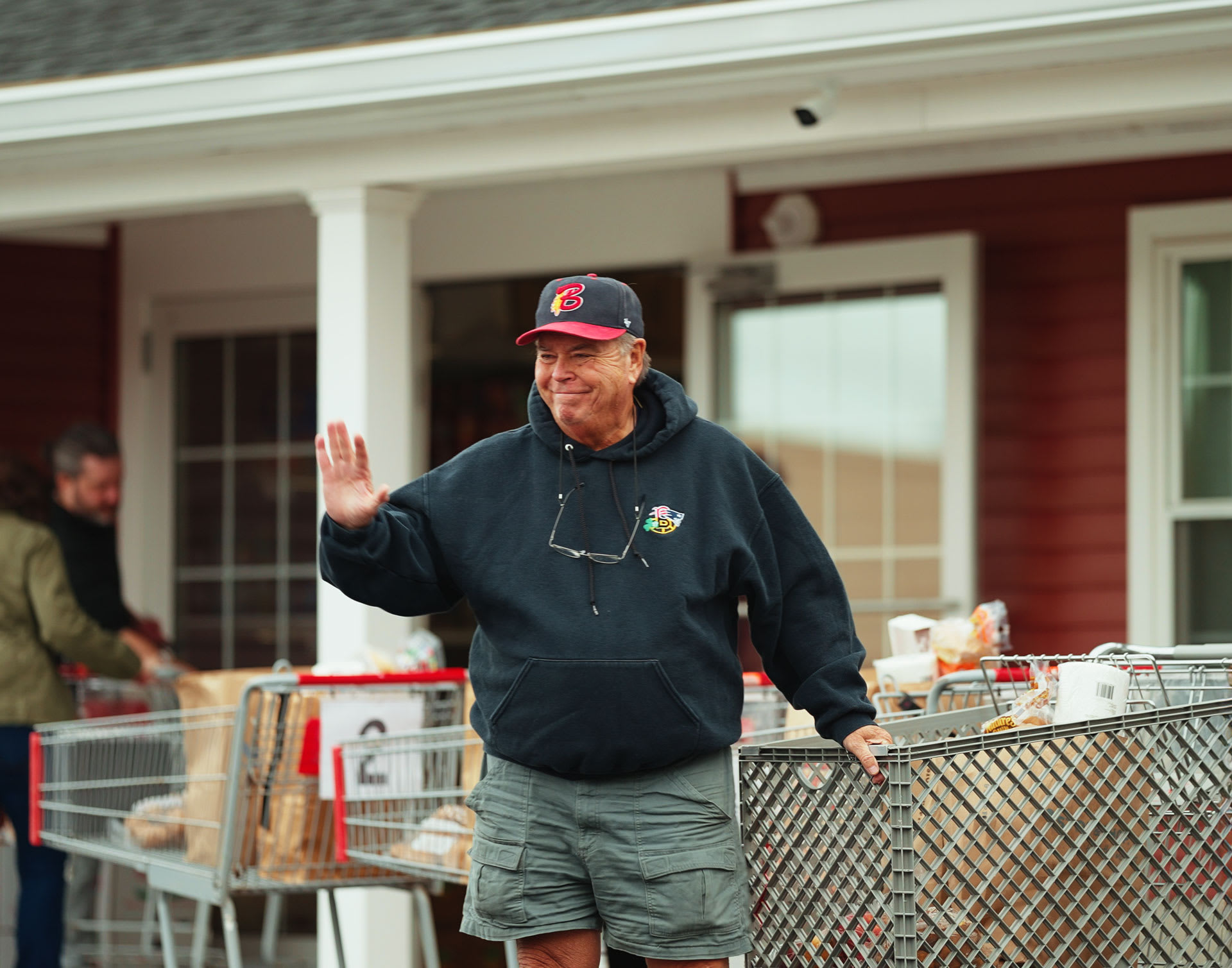
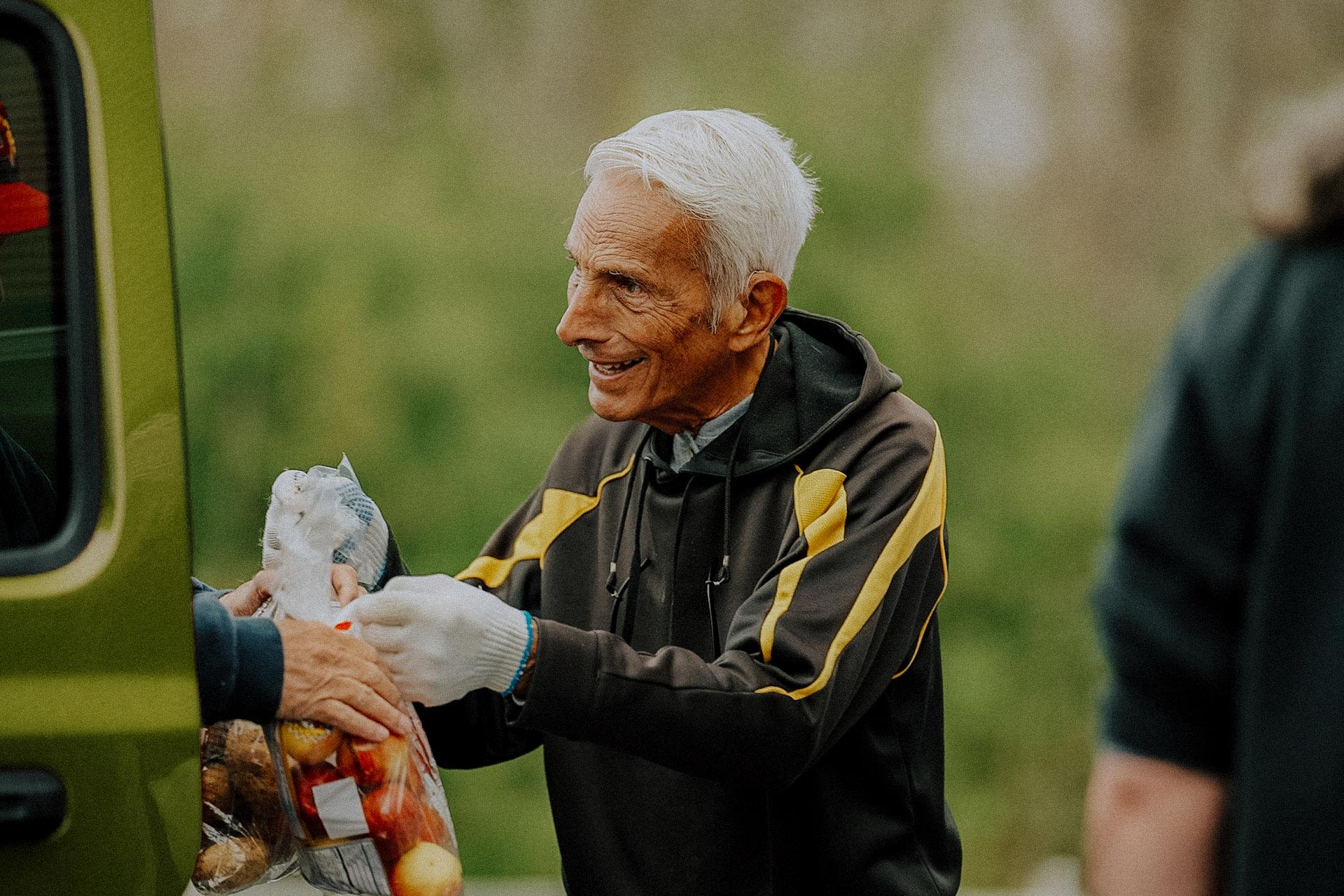
The pantry operates entirely through volunteers, many of whom are retirees. In a small town, that choice carries weight. These are people who could spend their time any number of ways, yet they choose to be here, lifting boxes, organizing food, coordinating distributions, and making sure the operation keeps moving.
The work is physical. Deliveries arrive in bulk. Boxes need to be moved, sorted, and stored. While the pantry depends on the consistency of long-time volunteers, it also needs younger people to step in. Not only to help with lifting and logistics, but to help carry the work forward over time.
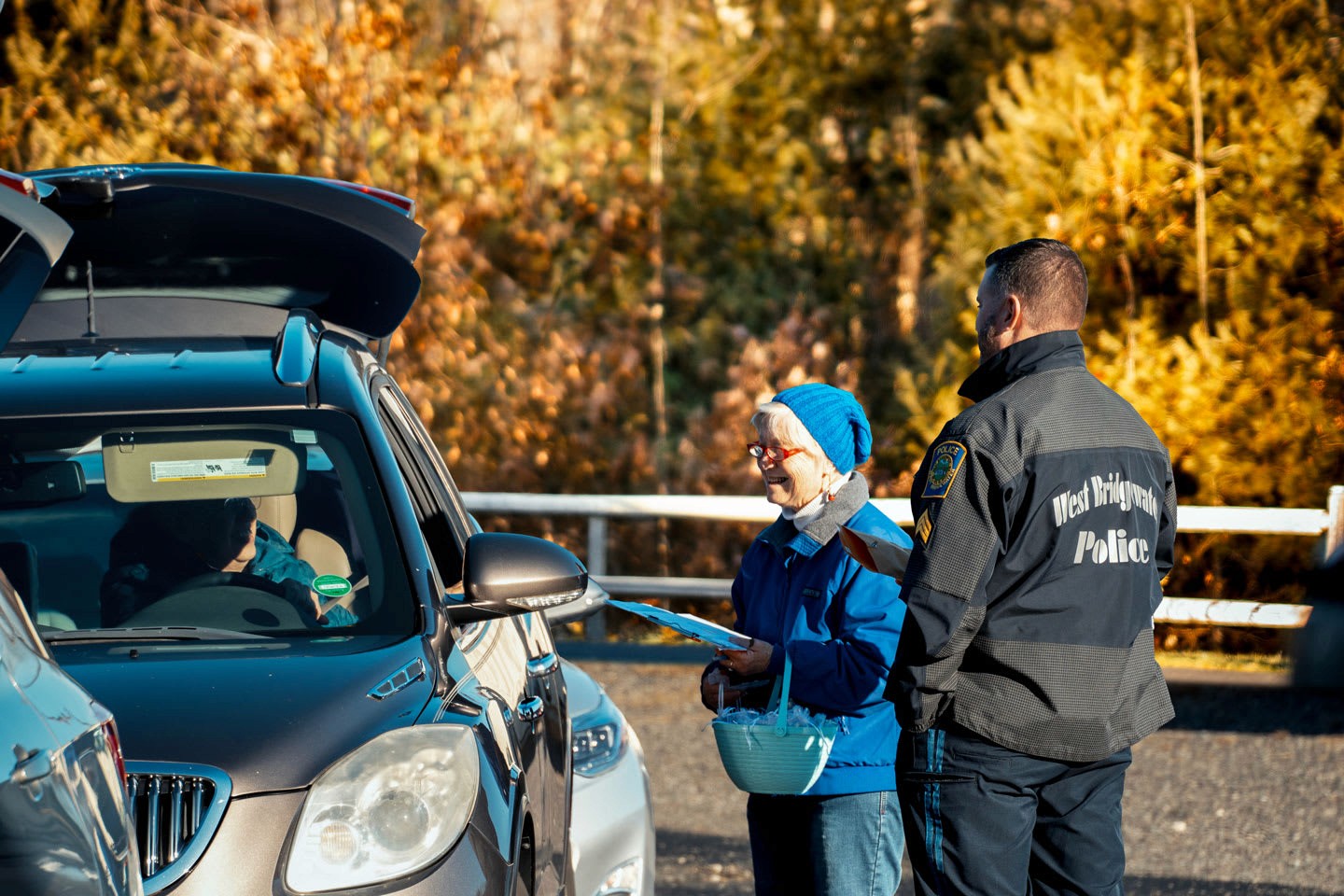
Paula Papineau began volunteering after she retired. Watching her on distribution days made something clear to me. The logistics matter, but the relationships matter just as much. People recognize one another. Conversations resume where they left off. Familiar faces create trust.
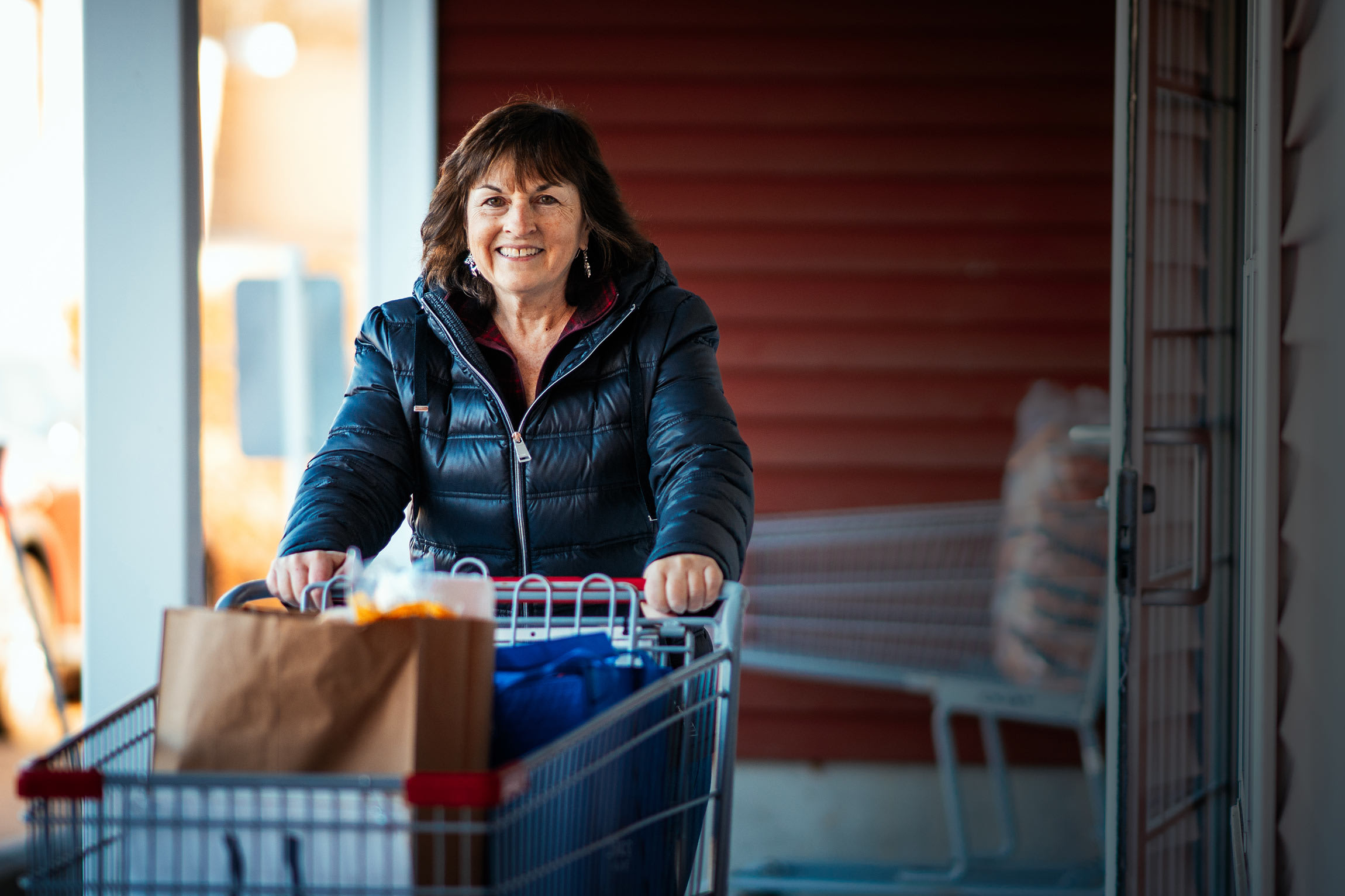
Curbside distribution increased accessibility for residents with mobility challenges, but it didn’t remove the personal connection. Volunteers still greet people by name. Clients notice who’s there and who isn’t.
Paula told me that when someone turns back and says, “I love you,” it stays with her. Moments like that explain why people keep showing up.
The People Who Make It Work
Volunteers, time, and shared responsibility.
The pantry operates entirely through volunteers, many of whom are retirees. In a small town, that choice carries weight. These are people who could spend their time any number of ways, yet they choose to be here, lifting boxes, organizing food, coordinating distributions, and making sure the operation keeps moving.
The work is physical. Deliveries arrive in bulk. Boxes need to be moved, sorted, and stored. While the pantry depends on the consistency of long-time volunteers, it also needs younger people to step in. Not only to help with lifting and logistics, but to help carry the work forward over time.
Paula Papineau began volunteering after she retired. Watching her on distribution days made something clear to me. The logistics matter, but the relationships matter just as much. People recognize one another. Conversations resume where they left off. Familiar faces create trust.
Curbside distribution increased accessibility for residents with mobility challenges, but it didn’t remove the personal connection. Volunteers still greet people by name. Clients notice who’s there and who isn’t.
Paula told me that when someone turns back and says, “I love you,” it stays with her. Moments like that explain why people keep showing up.
The People Who Make It Work
Volunteers, time, and shared responsibility.
The pantry operates entirely through volunteers, many of whom are retirees. In a small town, that choice carries weight. These are people who could spend their time any number of ways, yet they choose to be here, lifting boxes, organizing food, coordinating distributions, and making sure the operation keeps moving.
The work is physical. Deliveries arrive in bulk. Boxes need to be moved, sorted, and stored. While the pantry depends on the consistency of long-time volunteers, it also needs younger people to step in. Not only to help with lifting and logistics, but to help carry the work forward over time.
Paula Papineau began volunteering after she retired. Watching her on distribution days made something clear to me. The logistics matter, but the relationships matter just as much. People recognize one another. Conversations resume where they left off. Familiar faces create trust.
Curbside distribution increased accessibility for residents with mobility challenges, but it didn’t remove the personal connection. Volunteers still greet people by name. Clients notice who’s there and who isn’t.
Paula told me that when someone turns back and says, “I love you,” it stays with her. Moments like that explain why people keep showing up.
Seeing the Gap
Visibility, participation, and sustainability.
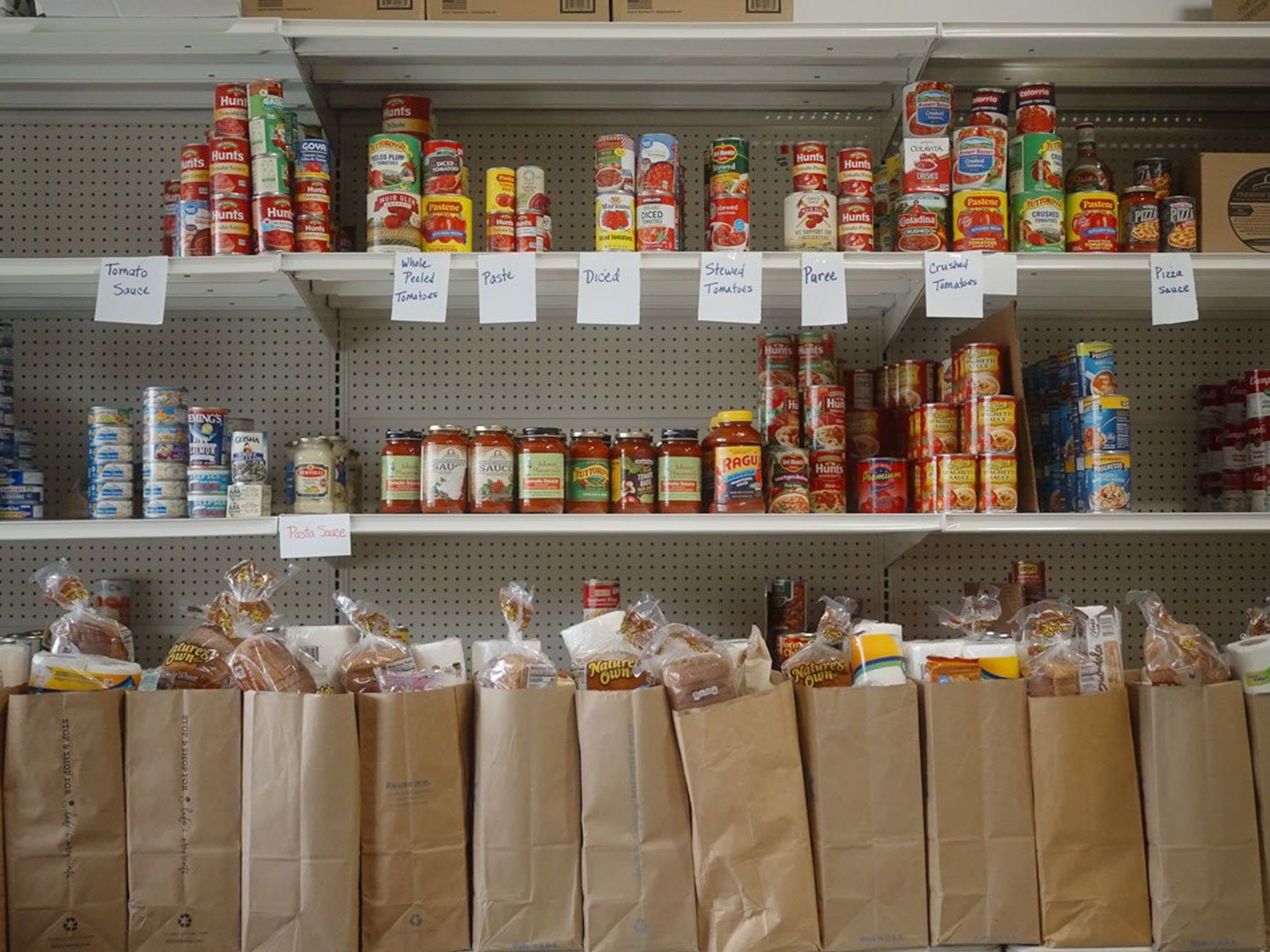
Spending time inside the pantry made the limits of the existing systems visible.
The challenges weren’t only about food supply or volunteer hours. Much of the work was being carried by retirees who showed up consistently and took on physically demanding roles. At the same time, the work depends on energy, continuity, and participation across generations.
That’s where another gap became clear. Many younger people discover causes, organize, and decide to get involved through digital channels. Websites, social media, and storytelling play a role in whether people notice an organization and feel invited to participate. The pantry’s online presence didn’t reflect the care happening on the ground or make it easy for someone new to find their way in.
This wasn’t about branding for branding’s sake. It was about access. Access to information. Access to participation. Access to the next generation of volunteers and supporters who might care deeply if they knew where and how to show up.
There wasn’t a moment where I decided this should become something else. Volunteering created understanding. Understanding revealed needs that couldn’t be met through time alone.
Steve and I knew how to build tools that help organizations tell their story clearly and reach people where they already are. The pantry needed those tools, and there wasn’t a practical way for them to build them independently.
Seeing the Gap
Visibility, participation, and sustainability.
Spending time inside the pantry made the limits of the existing systems visible.
The challenges weren’t only about food supply or volunteer hours. Much of the work was being carried by retirees who showed up consistently and took on physically demanding roles. At the same time, the work depends on energy, continuity, and participation across generations.
That’s where another gap became clear. Many younger people discover causes, organize, and decide to get involved through digital channels. Websites, social media, and storytelling play a role in whether people notice an organization and feel invited to participate. The pantry’s online presence didn’t reflect the care happening on the ground or make it easy for someone new to find their way in.
This wasn’t about branding for branding’s sake. It was about access. Access to information. Access to participation. Access to the next generation of volunteers and supporters who might care deeply if they knew where and how to show up.
There wasn’t a moment where I decided this should become something else. Volunteering created understanding. Understanding revealed needs that couldn’t be met through time alone.
Steve and I knew how to build tools that help organizations tell their story clearly and reach people where they already are. The pantry needed those tools, and there wasn’t a practical way for them to build them independently.
Seeing the Gap
Visibility, participation, and sustainability.
Spending time inside the pantry made the limits of the existing systems visible.
The challenges weren’t only about food supply or volunteer hours. Much of the work was being carried by retirees who showed up consistently and took on physically demanding roles. At the same time, the work depends on energy, continuity, and participation across generations.
That’s where another gap became clear. Many younger people discover causes, organize, and decide to get involved through digital channels. Websites, social media, and storytelling play a role in whether people notice an organization and feel invited to participate. The pantry’s online presence didn’t reflect the care happening on the ground or make it easy for someone new to find their way in.
This wasn’t about branding for branding’s sake. It was about access. Access to information. Access to participation. Access to the next generation of volunteers and supporters who might care deeply if they knew where and how to show up.
There wasn’t a moment where I decided this should become something else. Volunteering created understanding. Understanding revealed needs that couldn’t be met through time alone.
Steve and I knew how to build tools that help organizations tell their story clearly and reach people where they already are. The pantry needed those tools, and there wasn’t a practical way for them to build them independently.
Building Something Together
Aligning tools with lived experience.
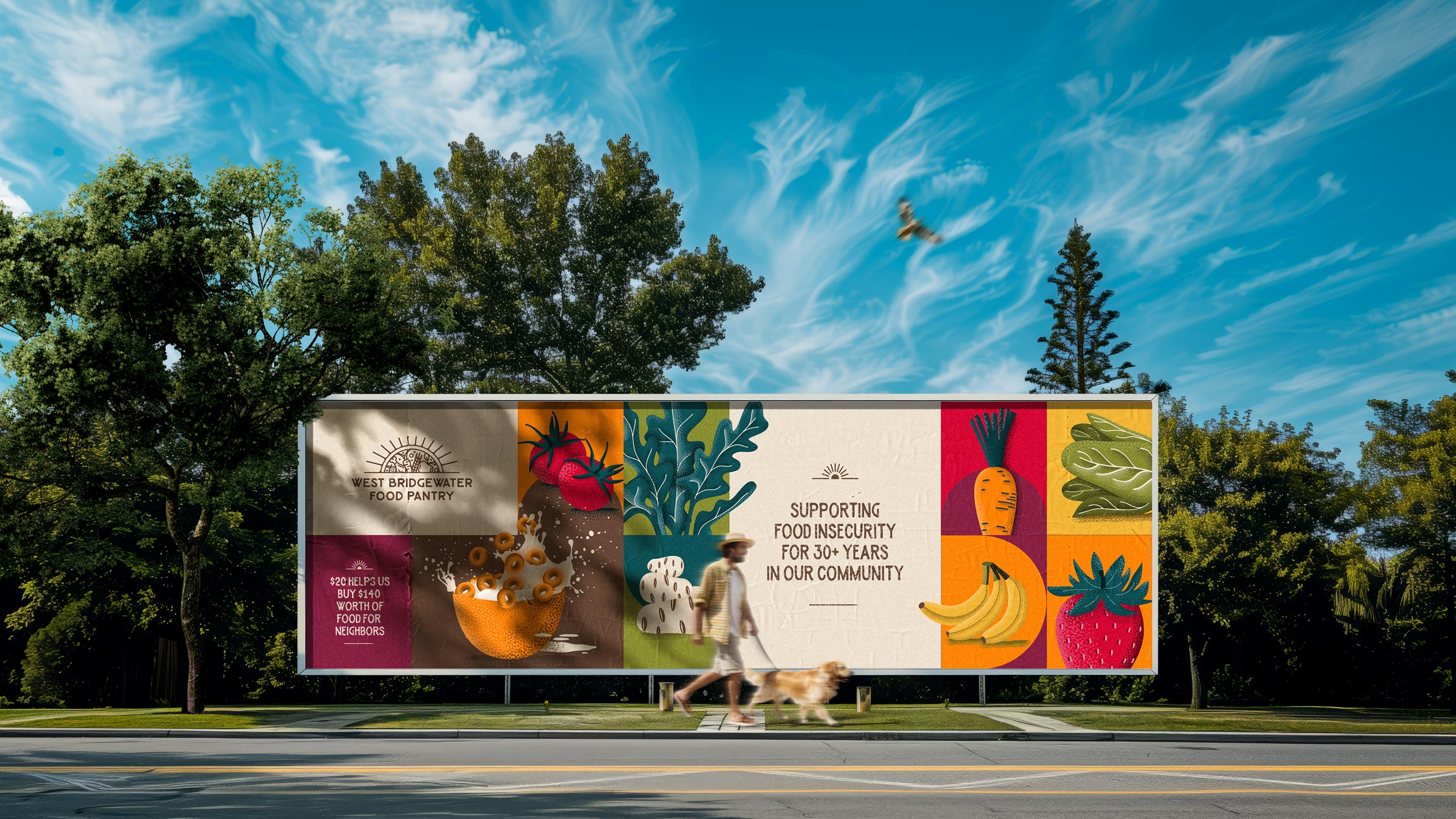
That work resulted in a new brand identity, a new website, and seven videos featuring volunteers, donors, and community partners. The goal was alignment. The tools needed to reflect how the pantry actually functions and how people experience it.
Clear communication matters for access, but it also matters for participation. A website that explains how to volunteer, how distributions work, and how support is structured creates an entry point for people who may not already be connected.
The videos allowed people to speak in their own words. The website clarified expectations and removed friction. The brand reflected the care people feel when they arrive.
Working this closely with WBFP shaped us as much as it supported them. It helped Steve and me understand how creative tools can strengthen community work by extending its reach, and by making sure what people see and experience online reflects what actually exists on the ground.
Building Something Together
Aligning tools with lived experience.
That work resulted in a new brand identity, a new website, and seven videos featuring volunteers, donors, and community partners. The goal was alignment. The tools needed to reflect how the pantry actually functions and how people experience it.
Clear communication matters for access, but it also matters for participation. A website that explains how to volunteer, how distributions work, and how support is structured creates an entry point for people who may not already be connected.
The videos allowed people to speak in their own words. The website clarified expectations and removed friction. The brand reflected the care people feel when they arrive.
Working this closely with WBFP shaped us as much as it supported them. It helped Steve and me understand how creative tools can strengthen community work by extending its reach, and by making sure what people see and experience online reflects what actually exists on the ground.
Building Something Together
Aligning tools with lived experience.
That work resulted in a new brand identity, a new website, and seven videos featuring volunteers, donors, and community partners. The goal was alignment. The tools needed to reflect how the pantry actually functions and how people experience it.
Clear communication matters for access, but it also matters for participation. A website that explains how to volunteer, how distributions work, and how support is structured creates an entry point for people who may not already be connected.
The videos allowed people to speak in their own words. The website clarified expectations and removed friction. The brand reflected the care people feel when they arrive.
Working this closely with WBFP shaped us as much as it supported them. It helped Steve and me understand how creative tools can strengthen community work by extending its reach, and by making sure what people see and experience online reflects what actually exists on the ground.
Teaching the Next Generation to Give
How participation becomes a value.
Talking with donors like Madan Rajendran added another layer of perspective to the work happening at the pantry.
His family’s approach to giving is rooted in example. Meals were provided. Education was supported. Children were included in the process from an early age. Community involvement became familiar rather than abstract, something woven into everyday life rather than framed as a special occasion.
There is something formative about involving children in volunteer work and community support. It creates early exposure to people outside their immediate circles and introduces the idea that showing up for others is part of how communities function. Over time, those experiences help normalize participation rather than treating it as optional or episodic.
This kind of involvement also creates opportunities for in‑person connection across generations. Children learn by watching adults work together. They develop practical skills, communication habits, and a sense of shared responsibility. At a time when many people describe feeling isolated or disconnected, these moments of participation help rebuild social ties that happen face‑to‑face.
Those early experiences don’t just benefit the organizations receiving help. They help shape adults who understand community care as something you take part in, not something that happens elsewhere.
Teaching the Next Generation to Give
How participation becomes a value.
Talking with donors like Madan Rajendran added another layer of perspective to the work happening at the pantry.
His family’s approach to giving is rooted in example. Meals were provided. Education was supported. Children were included in the process from an early age. Community involvement became familiar rather than abstract, something woven into everyday life rather than framed as a special occasion.
There is something formative about involving children in volunteer work and community support. It creates early exposure to people outside their immediate circles and introduces the idea that showing up for others is part of how communities function. Over time, those experiences help normalize participation rather than treating it as optional or episodic.
This kind of involvement also creates opportunities for in‑person connection across generations. Children learn by watching adults work together. They develop practical skills, communication habits, and a sense of shared responsibility. At a time when many people describe feeling isolated or disconnected, these moments of participation help rebuild social ties that happen face‑to‑face.
Those early experiences don’t just benefit the organizations receiving help. They help shape adults who understand community care as something you take part in, not something that happens elsewhere.
Teaching the Next Generation to Give
How participation becomes a value.
Talking with donors like Madan Rajendran added another layer of perspective to the work happening at the pantry.
His family’s approach to giving is rooted in example. Meals were provided. Education was supported. Children were included in the process from an early age. Community involvement became familiar rather than abstract, something woven into everyday life rather than framed as a special occasion.
There is something formative about involving children in volunteer work and community support. It creates early exposure to people outside their immediate circles and introduces the idea that showing up for others is part of how communities function. Over time, those experiences help normalize participation rather than treating it as optional or episodic.
This kind of involvement also creates opportunities for in‑person connection across generations. Children learn by watching adults work together. They develop practical skills, communication habits, and a sense of shared responsibility. At a time when many people describe feeling isolated or disconnected, these moments of participation help rebuild social ties that happen face‑to‑face.
Those early experiences don’t just benefit the organizations receiving help. They help shape adults who understand community care as something you take part in, not something that happens elsewhere.
Community Banking as Infrastructure
How local investment sustains local care.
Support for the pantry extends beyond individual donors and volunteers. Local financial institutions play a meaningful role in sustaining organizations like WBFP.
Community banks operate differently than national institutions. Their structure allows them to reinvest directly in the places where their customers live and work. When people choose to bank locally, those decisions ripple outward through funding, volunteerism, and long-term partnership.
North Easton Savings Bank and Bluestone Bank both demonstrate this model in practice. North Easton Savings Bank contributed over $400,000 in financial support and 2,600 volunteer hours last year. Bluestone Bank contributes approximately $300,000 annually to community causes focused on food insecurity, housing stability, and fuel assistance.
This approach reinforces how financial decisions made close to home help sustain nonprofit infrastructure.
Community Banking as Infrastructure
How local investment sustains local care.
Support for the pantry extends beyond individual donors and volunteers. Local financial institutions play a meaningful role in sustaining organizations like WBFP.
Community banks operate differently than national institutions. Their structure allows them to reinvest directly in the places where their customers live and work. When people choose to bank locally, those decisions ripple outward through funding, volunteerism, and long-term partnership.
North Easton Savings Bank and Bluestone Bank both demonstrate this model in practice. North Easton Savings Bank contributed over $400,000 in financial support and 2,600 volunteer hours last year. Bluestone Bank contributes approximately $300,000 annually to community causes focused on food insecurity, housing stability, and fuel assistance.
This approach reinforces how financial decisions made close to home help sustain nonprofit infrastructure.
Community Banking as Infrastructure
How local investment sustains local care.
Support for the pantry extends beyond individual donors and volunteers. Local financial institutions play a meaningful role in sustaining organizations like WBFP.
Community banks operate differently than national institutions. Their structure allows them to reinvest directly in the places where their customers live and work. When people choose to bank locally, those decisions ripple outward through funding, volunteerism, and long-term partnership.
North Easton Savings Bank and Bluestone Bank both demonstrate this model in practice. North Easton Savings Bank contributed over $400,000 in financial support and 2,600 volunteer hours last year. Bluestone Bank contributes approximately $300,000 annually to community causes focused on food insecurity, housing stability, and fuel assistance.
This approach reinforces how financial decisions made close to home help sustain nonprofit infrastructure.
Hunger Doesn’t Stop at Graduation
Rethinking who food pantries serve.
Food insecurity affects college students at a national scale. More than one in three college students experience food insecurity at some point during their education, according to research from the Hope Center for College, Community, and Justice.
When people first hear that statistic, it often doesn’t register. College is still widely associated with opportunity, independence, and upward mobility. We don’t tend to picture students living below the poverty line or struggling to afford a meal plan while enrolled full‑time.
That disconnect shapes how we think about who food pantries are for. The reality is that many students are balancing tuition, housing, transportation, and food costs at the same time. One unexpected expense, reduced work hours, or family disruption can shift circumstances quickly.
Bridgewater State University addresses this through its on‑campus food pantry and hunger‑free campus initiatives, but those efforts rely on partnership. The West Bridgewater Food Pantry serves as a parent pantry, supplying approximately 800 pounds of food each month. In return, BSU staff and students assist with unloading deliveries, organizing storage, and supporting logistics.
The partnership highlights a broader truth. Food insecurity doesn’t fit a single profile. It can affect students, families, retirees, and working adults alike. Many people are closer to needing support than they realize, often separated from it by a single unexpected event.
Hunger Doesn’t Stop at Graduation
Rethinking who food pantries serve.
Food insecurity affects college students at a national scale. More than one in three college students experience food insecurity at some point during their education, according to research from the Hope Center for College, Community, and Justice.
When people first hear that statistic, it often doesn’t register. College is still widely associated with opportunity, independence, and upward mobility. We don’t tend to picture students living below the poverty line or struggling to afford a meal plan while enrolled full‑time.
That disconnect shapes how we think about who food pantries are for. The reality is that many students are balancing tuition, housing, transportation, and food costs at the same time. One unexpected expense, reduced work hours, or family disruption can shift circumstances quickly.
Bridgewater State University addresses this through its on‑campus food pantry and hunger‑free campus initiatives, but those efforts rely on partnership. The West Bridgewater Food Pantry serves as a parent pantry, supplying approximately 800 pounds of food each month. In return, BSU staff and students assist with unloading deliveries, organizing storage, and supporting logistics.
The partnership highlights a broader truth. Food insecurity doesn’t fit a single profile. It can affect students, families, retirees, and working adults alike. Many people are closer to needing support than they realize, often separated from it by a single unexpected event.
Hunger Doesn’t Stop at Graduation
Rethinking who food pantries serve.
Food insecurity affects college students at a national scale. More than one in three college students experience food insecurity at some point during their education, according to research from the Hope Center for College, Community, and Justice.
When people first hear that statistic, it often doesn’t register. College is still widely associated with opportunity, independence, and upward mobility. We don’t tend to picture students living below the poverty line or struggling to afford a meal plan while enrolled full‑time.
That disconnect shapes how we think about who food pantries are for. The reality is that many students are balancing tuition, housing, transportation, and food costs at the same time. One unexpected expense, reduced work hours, or family disruption can shift circumstances quickly.
Bridgewater State University addresses this through its on‑campus food pantry and hunger‑free campus initiatives, but those efforts rely on partnership. The West Bridgewater Food Pantry serves as a parent pantry, supplying approximately 800 pounds of food each month. In return, BSU staff and students assist with unloading deliveries, organizing storage, and supporting logistics.
The partnership highlights a broader truth. Food insecurity doesn’t fit a single profile. It can affect students, families, retirees, and working adults alike. Many people are closer to needing support than they realize, often separated from it by a single unexpected event.
The First Firefly
Where skills met need.
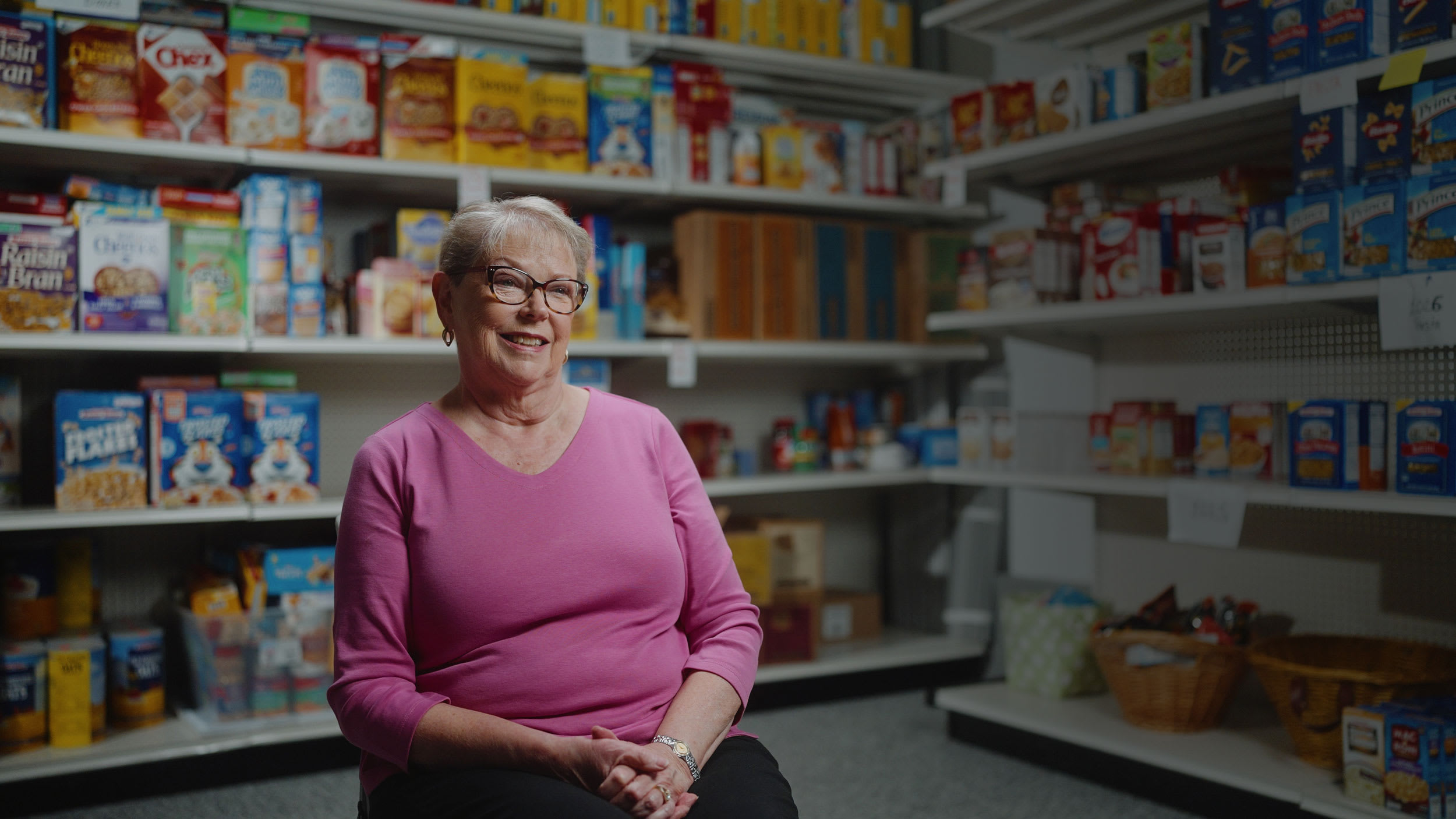
Working with the West Bridgewater Food Pantry made something tangible for me. There is value in showing up and doing the work that’s needed in the moment. That kind of volunteering matters, and it’s the foundation the pantry is built on. But being present also made it clear that there were other ways to contribute, ways tied to the skills Steve and I already had.
We knew how to build systems that help people understand how something works, how to participate, and how to trust what they’re engaging with. We understood branding, storytelling, and digital infrastructure, not as polish, but as tools that support real operations. Those tools could help the pantry reach people who weren’t already in the room.
This wasn’t about changing what the pantry was. It was about helping it function more effectively in the world as it exists now. Many community models were established in a time when information traveled differently and participation happened through narrower channels. The needs haven’t changed, but the context has.
Recognizing that we could bring our skillset into the work, rather than leaving it at the door, is what shaped the Firefly Project. It reframed volunteering as something that can evolve alongside the communities it serves.
WBFP was the first place where that idea took form. The Firefly Project grew out of applying what we knew in service of something that already mattered.
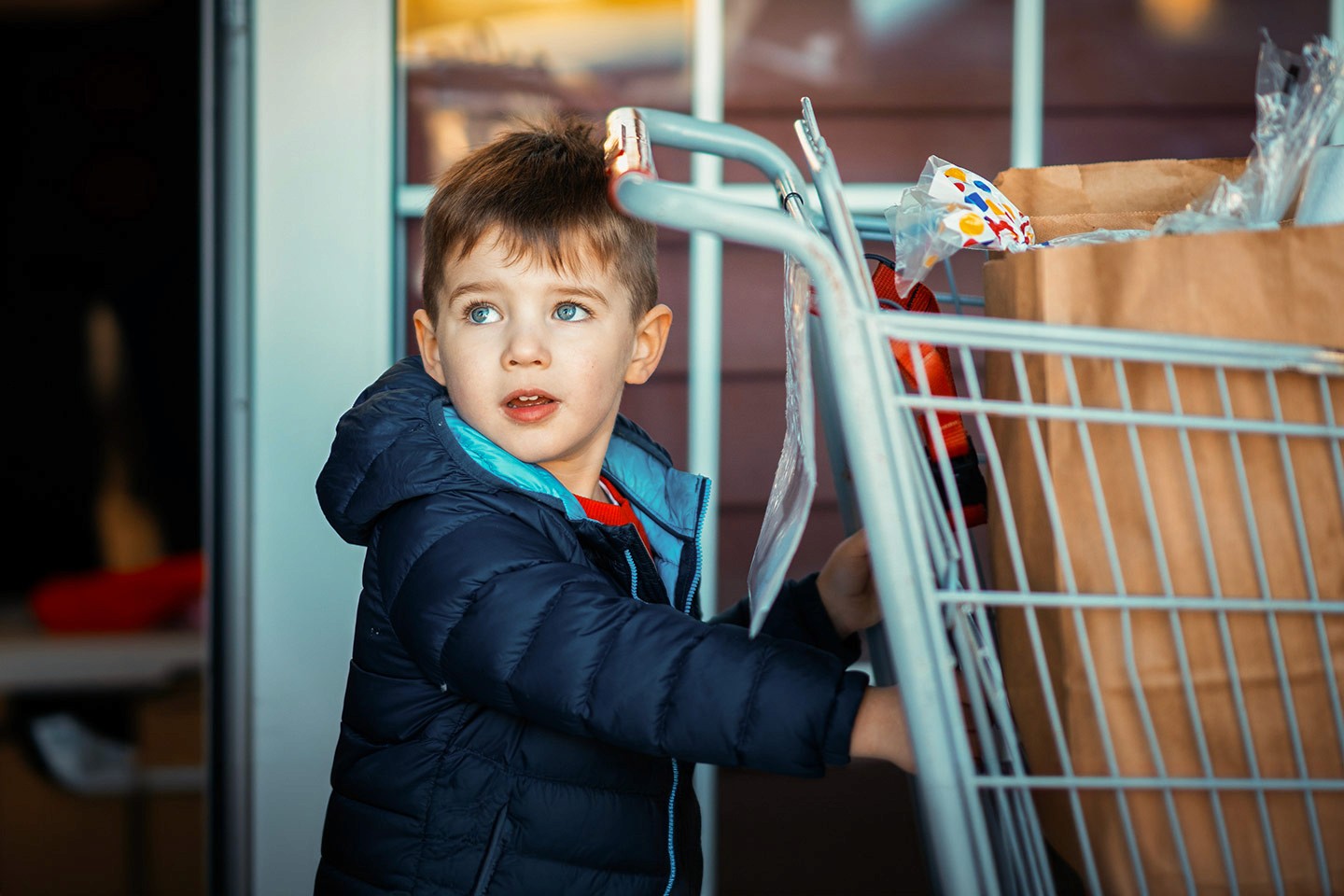
The First Firefly
Where skills met need.
Working with the West Bridgewater Food Pantry made something tangible for me. There is value in showing up and doing the work that’s needed in the moment. That kind of volunteering matters, and it’s the foundation the pantry is built on. But being present also made it clear that there were other ways to contribute, ways tied to the skills Steve and I already had.
We knew how to build systems that help people understand how something works, how to participate, and how to trust what they’re engaging with. We understood branding, storytelling, and digital infrastructure, not as polish, but as tools that support real operations. Those tools could help the pantry reach people who weren’t already in the room.
This wasn’t about changing what the pantry was. It was about helping it function more effectively in the world as it exists now. Many community models were established in a time when information traveled differently and participation happened through narrower channels. The needs haven’t changed, but the context has.
Recognizing that we could bring our skillset into the work, rather than leaving it at the door, is what shaped the Firefly Project. It reframed volunteering as something that can evolve alongside the communities it serves.
WBFP was the first place where that idea took form. The Firefly Project grew out of applying what we knew in service of something that already mattered.
The First Firefly
Where skills met need.
Working with the West Bridgewater Food Pantry made something tangible for me. There is value in showing up and doing the work that’s needed in the moment. That kind of volunteering matters, and it’s the foundation the pantry is built on. But being present also made it clear that there were other ways to contribute, ways tied to the skills Steve and I already had.
We knew how to build systems that help people understand how something works, how to participate, and how to trust what they’re engaging with. We understood branding, storytelling, and digital infrastructure, not as polish, but as tools that support real operations. Those tools could help the pantry reach people who weren’t already in the room.
This wasn’t about changing what the pantry was. It was about helping it function more effectively in the world as it exists now. Many community models were established in a time when information traveled differently and participation happened through narrower channels. The needs haven’t changed, but the context has.
Recognizing that we could bring our skillset into the work, rather than leaving it at the door, is what shaped the Firefly Project. It reframed volunteering as something that can evolve alongside the communities it serves.
WBFP was the first place where that idea took form. The Firefly Project grew out of applying what we knew in service of something that already mattered.
What Grows from Care
How engagement creates momentum.
The story of the West Bridgewater Food Pantry is not a single story. It is the accumulation of many choices made by different people, often for different reasons, that together create something durable. Retirees who choose to spend their time lifting boxes and coordinating distributions. Families who involve their children so care becomes part of how they grow up. Students who need support while working toward a degree. Local institutions that reinvest in the places they serve. And neighbors who step forward when they see a need.
Each of those pieces reinforces the others. The pantry works because it welcomes participation across generations, adapts to the realities of the world as it exists now, and makes room for people to contribute in the ways they are able. When visibility improves, more people find their way in. When tools improve, access improves. When participation broadens, sustainability follows.
The West Bridgewater Food Pantry shows how simple choices can lead to meaningful impact. People with time choose to show up. People with resources choose to share them. People with skills find ways to contribute.
Volunteering reinforced that the rewards of engagement aren’t one-directional. Showing up creates connection. Connection builds understanding. Understanding opens doors that weren’t visible before.
Engaging with organizations that matter doesn’t require a grand plan. It often starts with curiosity and time. What grows from that effort can reshape how we understand our role in the communities we’re part of.
RELATED READING
If you’re interested in learning more about how community care, local investment, and creative work intersect, you may also want to explore:
Odd Fellows Barber Co. — Built on Craft, Comfort, and Community
COMMUNITY NOTE
The West Bridgewater Food Pantry currently pays rent for its space and does not receive a facility from the town. A donated or subsidized space better suited to storage and distribution would significantly strengthen their ability to serve the community.
If you have a space, land, or resources to support this need, reach out directly at: WBFP Contact
What Grows from Care
How engagement creates momentum.
The story of the West Bridgewater Food Pantry is not a single story. It is the accumulation of many choices made by different people, often for different reasons, that together create something durable. Retirees who choose to spend their time lifting boxes and coordinating distributions. Families who involve their children so care becomes part of how they grow up. Students who need support while working toward a degree. Local institutions that reinvest in the places they serve. And neighbors who step forward when they see a need.
Each of those pieces reinforces the others. The pantry works because it welcomes participation across generations, adapts to the realities of the world as it exists now, and makes room for people to contribute in the ways they are able. When visibility improves, more people find their way in. When tools improve, access improves. When participation broadens, sustainability follows.
The West Bridgewater Food Pantry shows how simple choices can lead to meaningful impact. People with time choose to show up. People with resources choose to share them. People with skills find ways to contribute.
Volunteering reinforced that the rewards of engagement aren’t one-directional. Showing up creates connection. Connection builds understanding. Understanding opens doors that weren’t visible before.
Engaging with organizations that matter doesn’t require a grand plan. It often starts with curiosity and time. What grows from that effort can reshape how we understand our role in the communities we’re part of.
RELATED READING
If you’re interested in learning more about how community care, local investment, and creative work intersect, you may also want to explore:
Odd Fellows Barber Co. — Built on Craft, Comfort, and Community
COMMUNITY NOTE
The West Bridgewater Food Pantry currently pays rent for its space and does not receive a facility from the town. A donated or subsidized space better suited to storage and distribution would significantly strengthen their ability to serve the community.
If you have a space, land, or resources to support this need, reach out directly at: WBFP Contact
What Grows from Care
How engagement creates momentum.
The story of the West Bridgewater Food Pantry is not a single story. It is the accumulation of many choices made by different people, often for different reasons, that together create something durable. Retirees who choose to spend their time lifting boxes and coordinating distributions. Families who involve their children so care becomes part of how they grow up. Students who need support while working toward a degree. Local institutions that reinvest in the places they serve. And neighbors who step forward when they see a need.
Each of those pieces reinforces the others. The pantry works because it welcomes participation across generations, adapts to the realities of the world as it exists now, and makes room for people to contribute in the ways they are able. When visibility improves, more people find their way in. When tools improve, access improves. When participation broadens, sustainability follows.
The West Bridgewater Food Pantry shows how simple choices can lead to meaningful impact. People with time choose to show up. People with resources choose to share them. People with skills find ways to contribute.
Volunteering reinforced that the rewards of engagement aren’t one-directional. Showing up creates connection. Connection builds understanding. Understanding opens doors that weren’t visible before.
Engaging with organizations that matter doesn’t require a grand plan. It often starts with curiosity and time. What grows from that effort can reshape how we understand our role in the communities we’re part of.
RELATED READING
If you’re interested in learning more about how community care, local investment, and creative work intersect, you may also want to explore:
Odd Fellows Barber Co. — Built on Craft, Comfort, and Community
COMMUNITY NOTE
The West Bridgewater Food Pantry currently pays rent for its space and does not receive a facility from the town. A donated or subsidized space better suited to storage and distribution would significantly strengthen their ability to serve the community.
If you have a space, land, or resources to support this need, reach out directly at: WBFP Contact