
SSFB Moving 25,000 Pounds of Food Across the South Shore
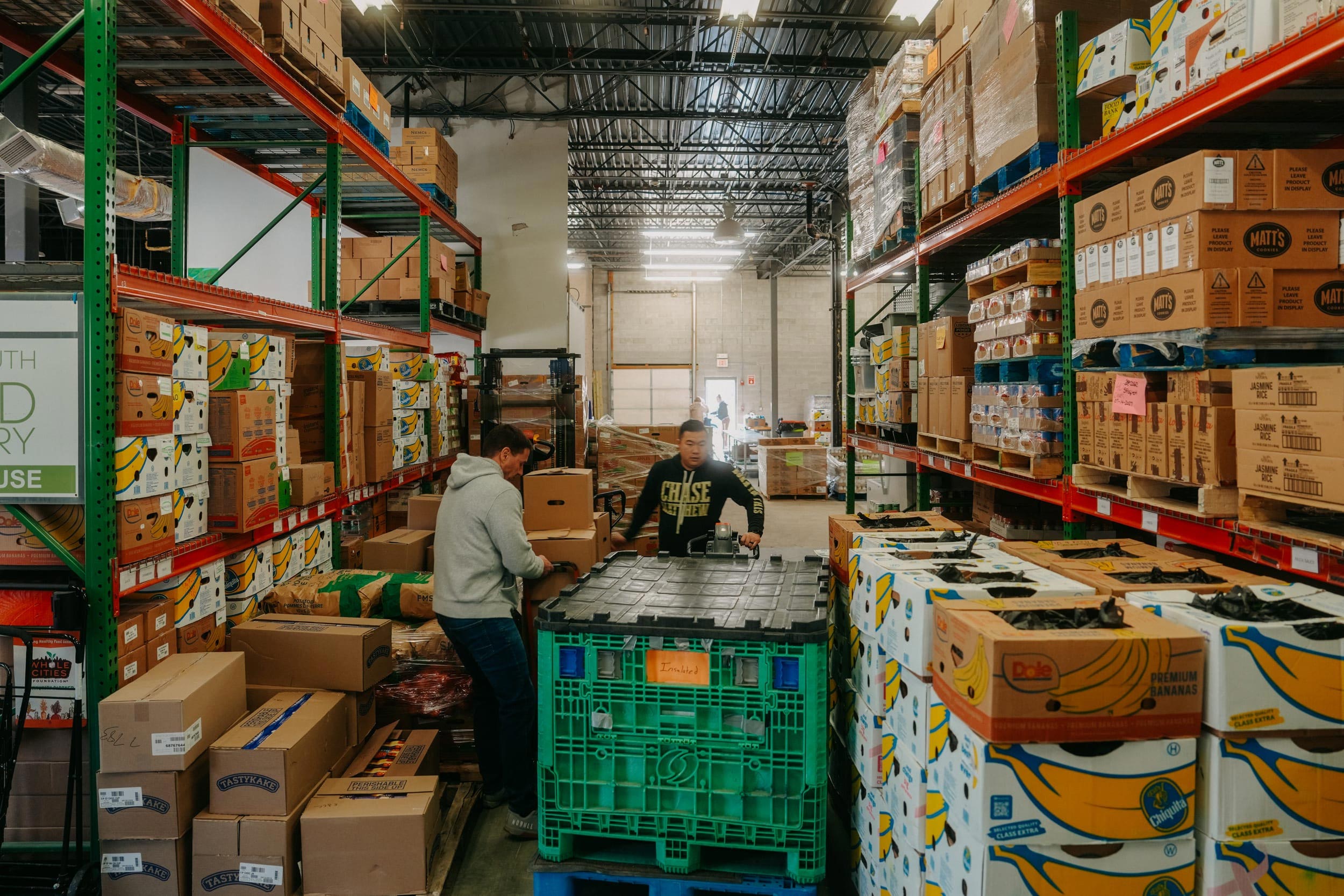
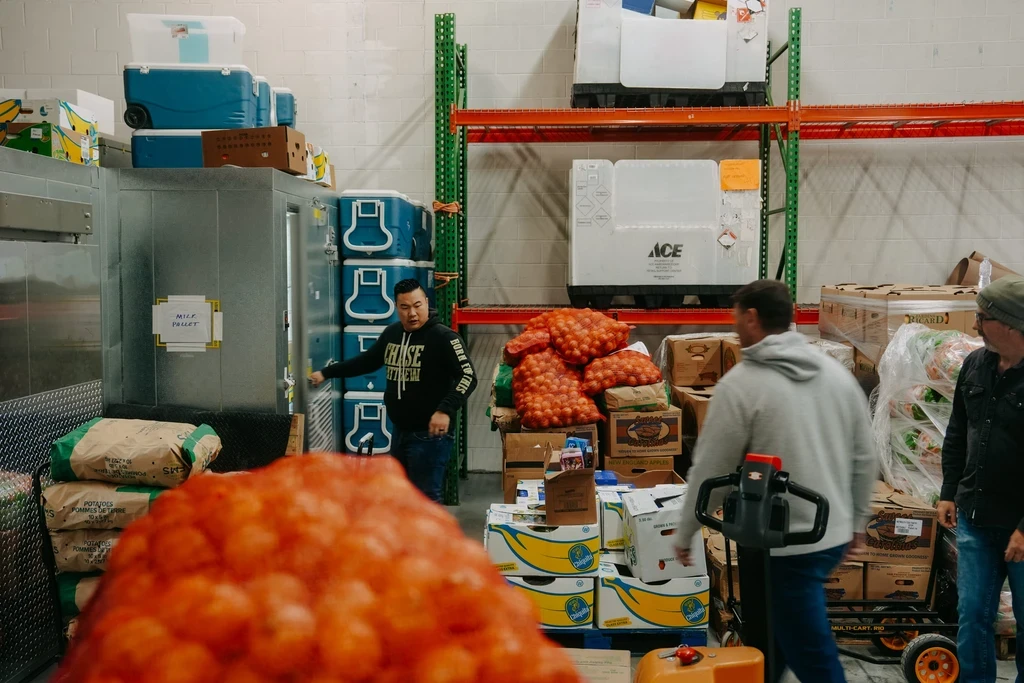
On Monday, November 17, the South Shore Food Bank warehouse in Rockland looked less like a nonprofit and more like a regional command center. Forklifts moved steadily between pallets. Volunteers loaded crates of squash, onions, potatoes, and stuffing mix. Trucks pulled in with deliveries and pulled out with the next batch of Thanksgiving boxes. The energy felt focused, steady, and grounded in purpose.
For thousands of families across the South Shore, this is the week that makes Thanksgiving possible. And behind it all is one regional hub built to ensure that no pantry has to do the work alone.
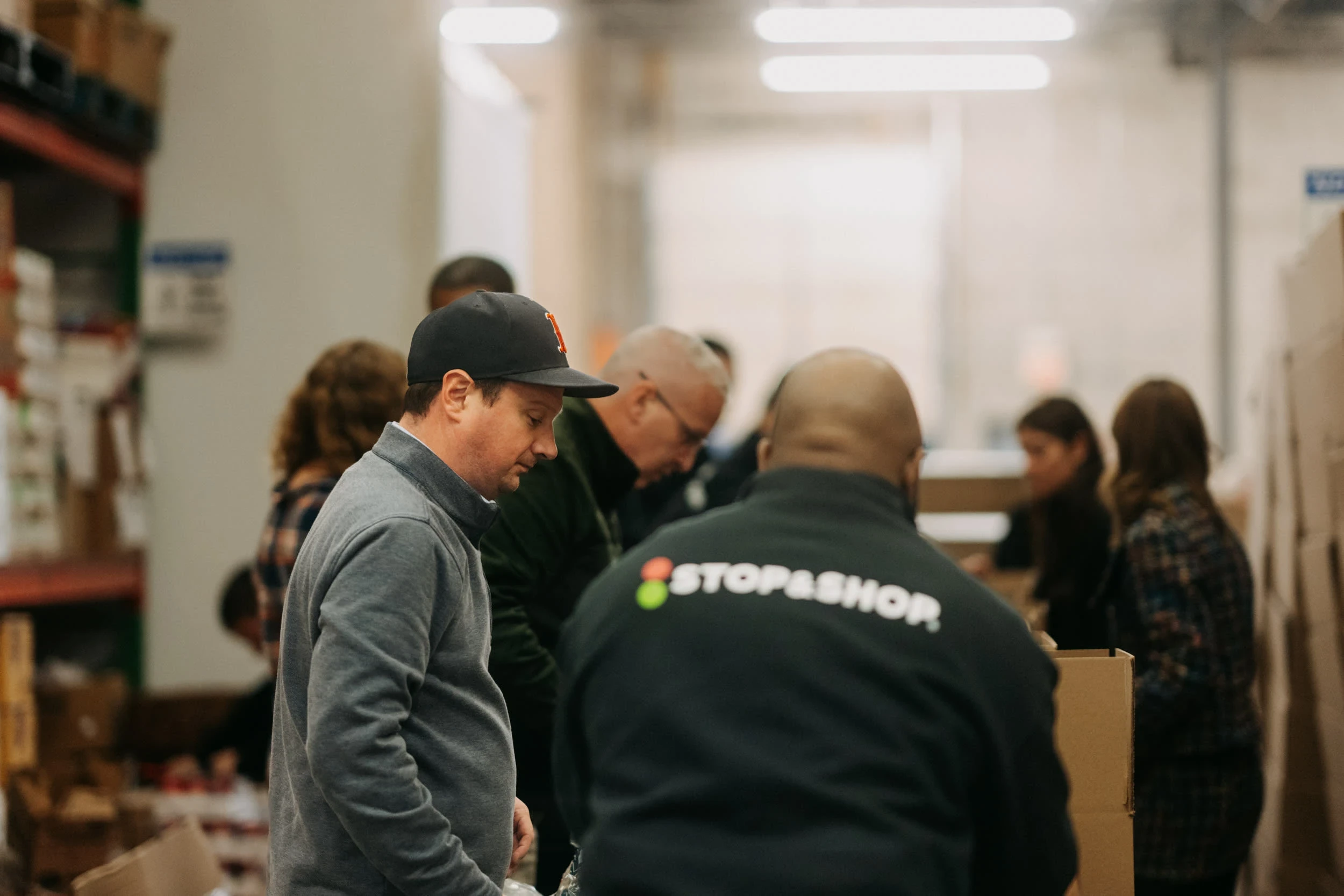
This blog is part one of a two-part series documenting the full 2025 Thanksgiving effort. Part two, arriving soon, will follow the final distribution days and include conversations with Chef Paul Wahlberg, Massachusetts Senator Patrick O’Connor, and Jamall Griffin from Stop & Shop, whose team of more than twenty-five volunteers made this year’s operation possible.
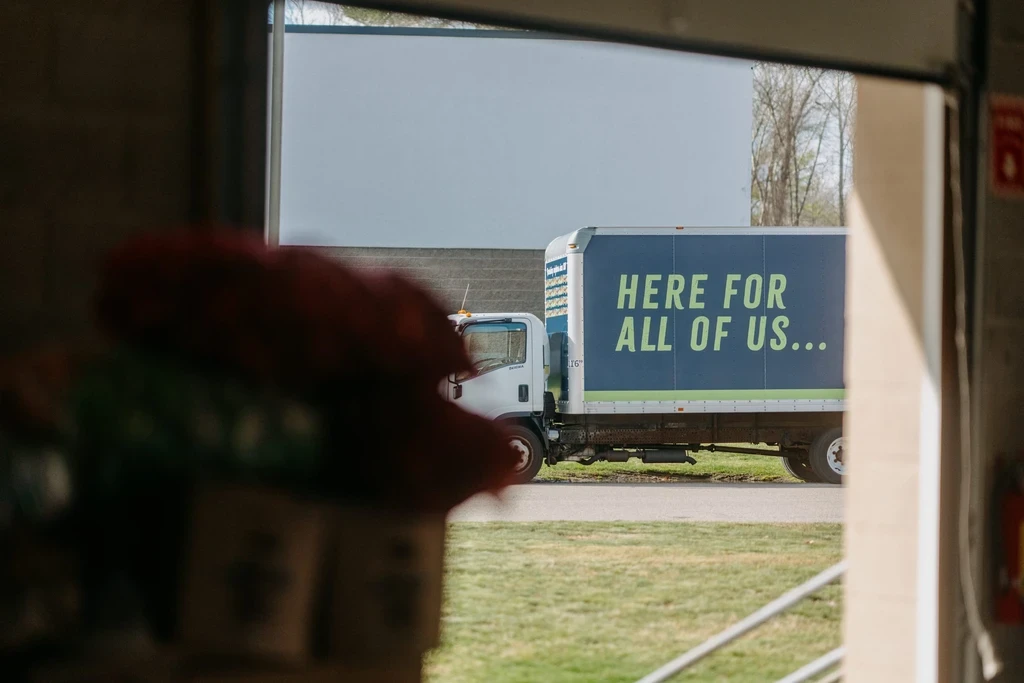
A Regional Operation With Real Scale
What it takes to support thousands of families in one holiday week.
In this video, we shine a spotlight on just how much goes into pulling off an endeavor that feeds thousands of families. Across just a single morning, tens of thousands of pounds of food arrive, move, and head back out across the region. This year’s Thanksgiving effort supports:
> 1,750 households receiving a full Thanksgiving meal.
> Hundreds more families through partner pantry pickups.
> 15,000–25,000 pounds of fresh produce moving across the South Shore.
> Hundreds of turkeys arriving and being distributed to surrounding communities.
> 400 meals delivered to Weymouth High School in partnership with United Way.
> 500 meals delivered to Randolph High School.
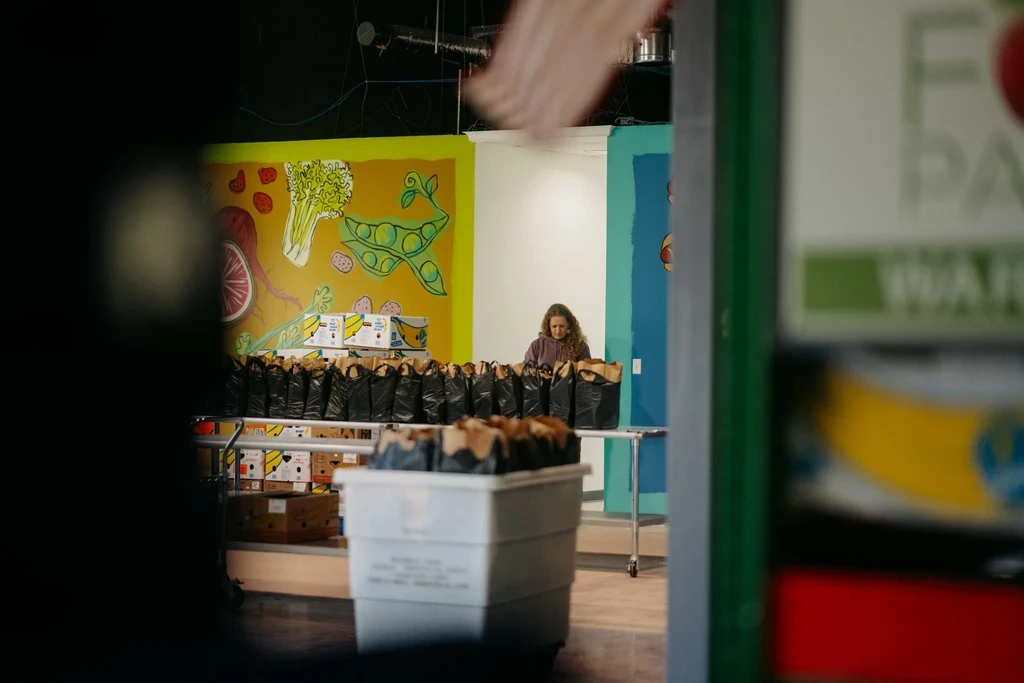
> 700 Thanksgiving boxes assembled with help from College Hype and Stop & Shop volunteers.
> 150 home-delivery orders prepared for households unable to come in person.
These numbers, while impressive, reflect only part of the regional coordination required to make the holiday come together.
A Regional Operation With Real Scale
What it takes to support thousands of families in one holiday week.
In this video, we shine a spotlight on just how much goes into pulling off an endeavor that feeds thousands of families. Across just a single morning, tens of thousands of pounds of food arrive, move, and head back out across the region. This year’s Thanksgiving effort supports:
> 1,750 households receiving a full Thanksgiving meal.
> Hundreds more families through partner pantry pickups.
> 15,000–25,000 pounds of fresh produce moving across the South Shore.
> Hundreds of turkeys arriving and being distributed to surrounding communities.
> 400 meals delivered to Weymouth High School in partnership with United Way.
> 500 meals delivered to Randolph High School.
> 700 Thanksgiving boxes assembled with help from College Hype and Stop & Shop volunteers.
> 150 home-delivery orders prepared for households unable to come in person.
These numbers, while impressive, reflect only part of the regional coordination required to make the holiday come together.
A Regional Operation With Real Scale
What it takes to support thousands of families in one holiday week.
In this video, we shine a spotlight on just how much goes into pulling off an endeavor that feeds thousands of families. Across just a single morning, tens of thousands of pounds of food arrive, move, and head back out across the region. This year’s Thanksgiving effort supports:
> 1,750 households receiving a full Thanksgiving meal.
> Hundreds more families through partner pantry pickups.
> 15,000–25,000 pounds of fresh produce moving across the South Shore.
> Hundreds of turkeys arriving and being distributed to surrounding communities.
> 400 meals delivered to Weymouth High School in partnership with United Way.
> 500 meals delivered to Randolph High School.
> 700 Thanksgiving boxes assembled with help from College Hype and Stop & Shop volunteers.
> 150 home-delivery orders prepared for households unable to come in person.
These numbers, while impressive, reflect only part of the regional coordination required to make the holiday come together.
Why SSFB Exists
A logistics hub designed for the South Shore.
Before South Shore Food Bank opened, nearly every local pantry had to travel into Boston to access the Greater Boston Food Bank. That meant long drives, heavy traffic, and returning with perishable food that needed rapid sorting. Smaller, volunteer-run pantries struggled to keep pace.
SSFB changed the regional map. It created a hub where food is closer to the communities that need it, saving time for volunteers and increasing the amount of fresh produce that stays fresh. It reduces pressure on Greater Boston Food Bank and gives South Shore agencies reliable access to food, storage, and logistics support.
As Rich Bielecki from the Mary Bielecki Foundation shared: “Having the South Shore Food Bank down here as a central hub saves us time… It allows us to get food out faster and closer to the people who need it.”
Why SSFB Exists
A logistics hub designed for the South Shore.
Before South Shore Food Bank opened, nearly every local pantry had to travel into Boston to access the Greater Boston Food Bank. That meant long drives, heavy traffic, and returning with perishable food that needed rapid sorting. Smaller, volunteer-run pantries struggled to keep pace.
SSFB changed the regional map. It created a hub where food is closer to the communities that need it, saving time for volunteers and increasing the amount of fresh produce that stays fresh. It reduces pressure on Greater Boston Food Bank and gives South Shore agencies reliable access to food, storage, and logistics support.
As Rich Bielecki from the Mary Bielecki Foundation shared: “Having the South Shore Food Bank down here as a central hub saves us time… It allows us to get food out faster and closer to the people who need it.”
Why SSFB Exists
A logistics hub designed for the South Shore.
Before South Shore Food Bank opened, nearly every local pantry had to travel into Boston to access the Greater Boston Food Bank. That meant long drives, heavy traffic, and returning with perishable food that needed rapid sorting. Smaller, volunteer-run pantries struggled to keep pace.
SSFB changed the regional map. It created a hub where food is closer to the communities that need it, saving time for volunteers and increasing the amount of fresh produce that stays fresh. It reduces pressure on Greater Boston Food Bank and gives South Shore agencies reliable access to food, storage, and logistics support.
As Rich Bielecki from the Mary Bielecki Foundation shared: “Having the South Shore Food Bank down here as a central hub saves us time… It allows us to get food out faster and closer to the people who need it.”
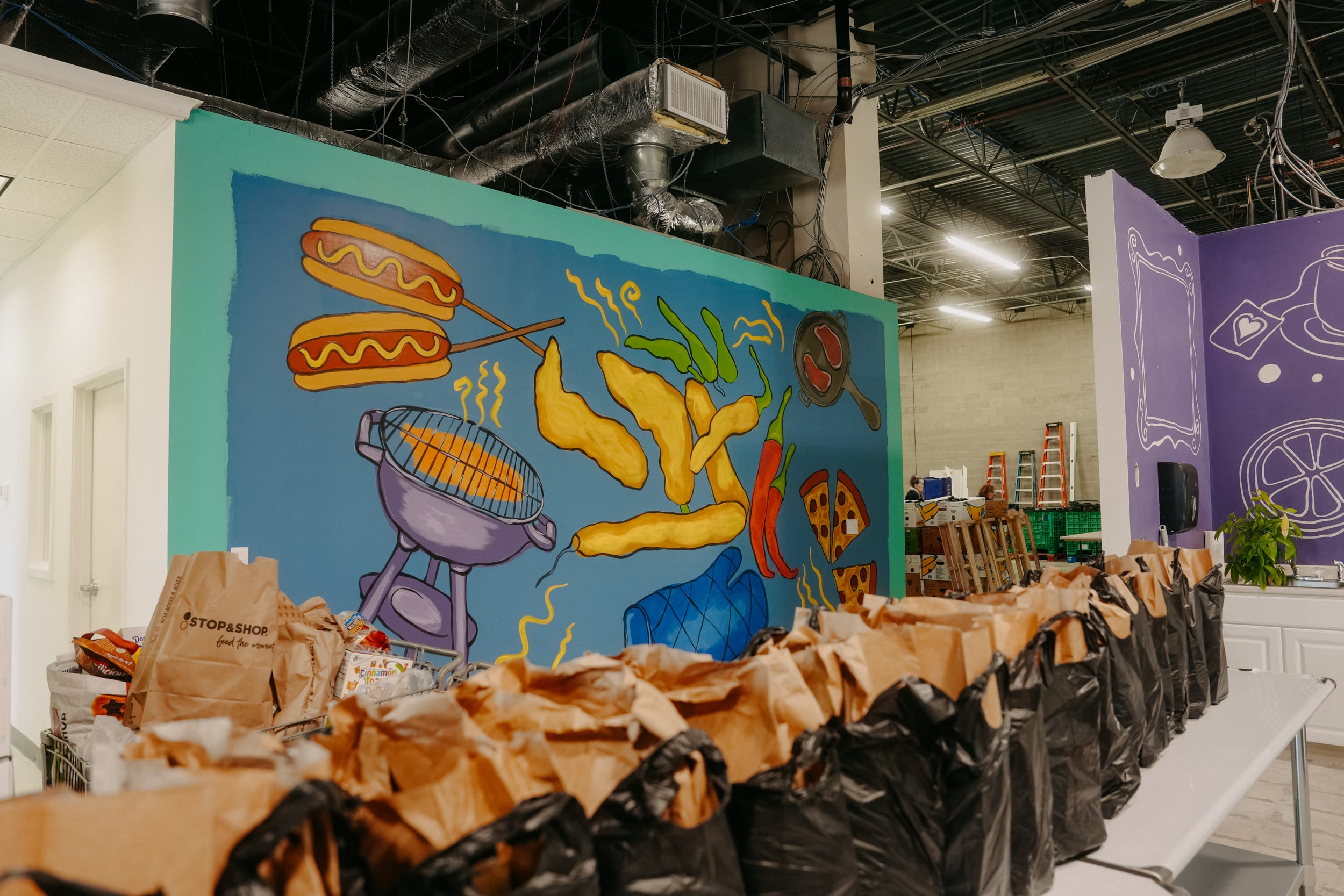
The Human Reality of Food Insecurity
The need is growing — and it looks different than many expect.
Food insecurity on the South Shore hasn’t returned to pre-pandemic levels. Inflation, rising rent costs, and the end of emergency SNAP benefits are putting pressure on families who have never sought assistance before. Massachusetts reports continued elevated need among working families, seniors, and adults with disabilities.
Rich explained it clearly: “It’s not just the people you think. A lot of people have jobs… and still can’t afford food.”
Rosemary Mitchell from the Weymouth Food Pantry shared the moment she realized the scale: “I never realized that there was so much hunger in America… or in my hometown. I was shocked.”
For Jack Radley of the Scituate Food Pantry, the biggest truth is continuity: “People think you just bring food, give it out. It’s just not that simple… It’s the other fifty weeks a year that they still need.”
The Human Reality of Food Insecurity
The need is growing — and it looks different than many expect.
Food insecurity on the South Shore hasn’t returned to pre-pandemic levels. Inflation, rising rent costs, and the end of emergency SNAP benefits are putting pressure on families who have never sought assistance before. Massachusetts reports continued elevated need among working families, seniors, and adults with disabilities.
Rich explained it clearly: “It’s not just the people you think. A lot of people have jobs… and still can’t afford food.”
Rosemary Mitchell from the Weymouth Food Pantry shared the moment she realized the scale: “I never realized that there was so much hunger in America… or in my hometown. I was shocked.”
For Jack Radley of the Scituate Food Pantry, the biggest truth is continuity: “People think you just bring food, give it out. It’s just not that simple… It’s the other fifty weeks a year that they still need.”
The Human Reality of Food Insecurity
The need is growing — and it looks different than many expect.
Food insecurity on the South Shore hasn’t returned to pre-pandemic levels. Inflation, rising rent costs, and the end of emergency SNAP benefits are putting pressure on families who have never sought assistance before. Massachusetts reports continued elevated need among working families, seniors, and adults with disabilities.
Rich explained it clearly: “It’s not just the people you think. A lot of people have jobs… and still can’t afford food.”
Rosemary Mitchell from the Weymouth Food Pantry shared the moment she realized the scale: “I never realized that there was so much hunger in America… or in my hometown. I was shocked.”
For Jack Radley of the Scituate Food Pantry, the biggest truth is continuity: “People think you just bring food, give it out. It’s just not that simple… It’s the other fifty weeks a year that they still need.”
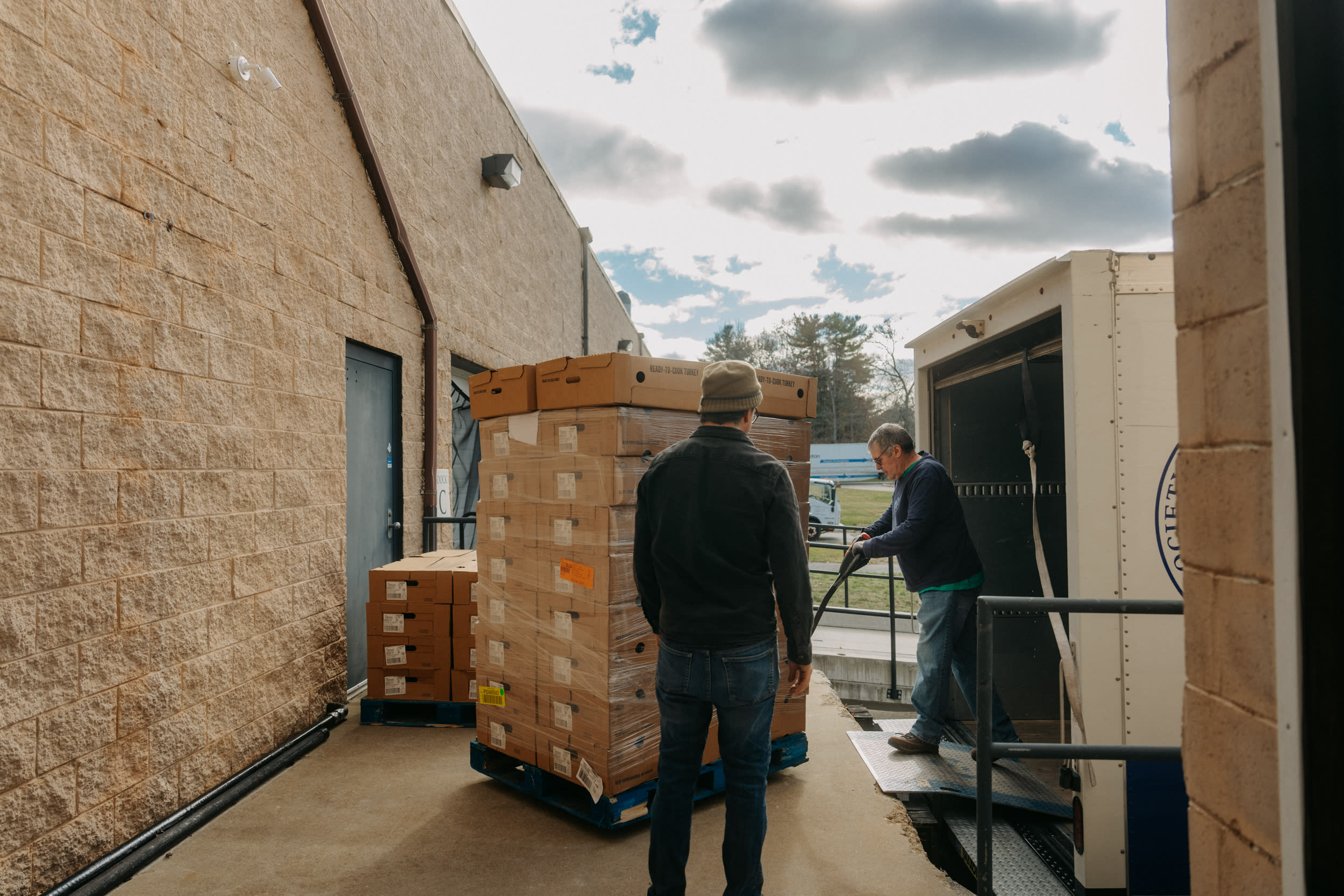
Behind the Scenes: How the Food Moves
A look at the logistics shaping the week.
The Thanksgiving operation inside SSFB is a system:
> Shipments arrive and are logged.
> Produce is sorted and graded for quality.
> Boxes are assembled according to distribution lists.
> Cold storage is rotated to keep perishables stable.
> Staging lanes are set up for each partner agency.
> Drivers coordinate school deliveries and home deliveries.
> Trucks and vans are loaded with precision.
> Outgoing volume is tracked for accuracy.
It runs smoothly because hundreds of volunteers understand the importance of getting food where it needs to go — quickly, safely, and with care.
Behind the Scenes: How the Food Moves
A look at the logistics shaping the week.
The Thanksgiving operation inside SSFB is a system:
> Shipments arrive and are logged.
> Produce is sorted and graded for quality.
> Boxes are assembled according to distribution lists.
> Cold storage is rotated to keep perishables stable.
> Staging lanes are set up for each partner agency.
> Drivers coordinate school deliveries and home deliveries.
> Trucks and vans are loaded with precision.
> Outgoing volume is tracked for accuracy.
It runs smoothly because hundreds of volunteers understand the importance of getting food where it needs to go — quickly, safely, and with care.
Behind the Scenes: How the Food Moves
A look at the logistics shaping the week.
The Thanksgiving operation inside SSFB is a system:
> Shipments arrive and are logged.
> Produce is sorted and graded for quality.
> Boxes are assembled according to distribution lists.
> Cold storage is rotated to keep perishables stable.
> Staging lanes are set up for each partner agency.
> Drivers coordinate school deliveries and home deliveries.
> Trucks and vans are loaded with precision.
> Outgoing volume is tracked for accuracy.
It runs smoothly because hundreds of volunteers understand the importance of getting food where it needs to go — quickly, safely, and with care.
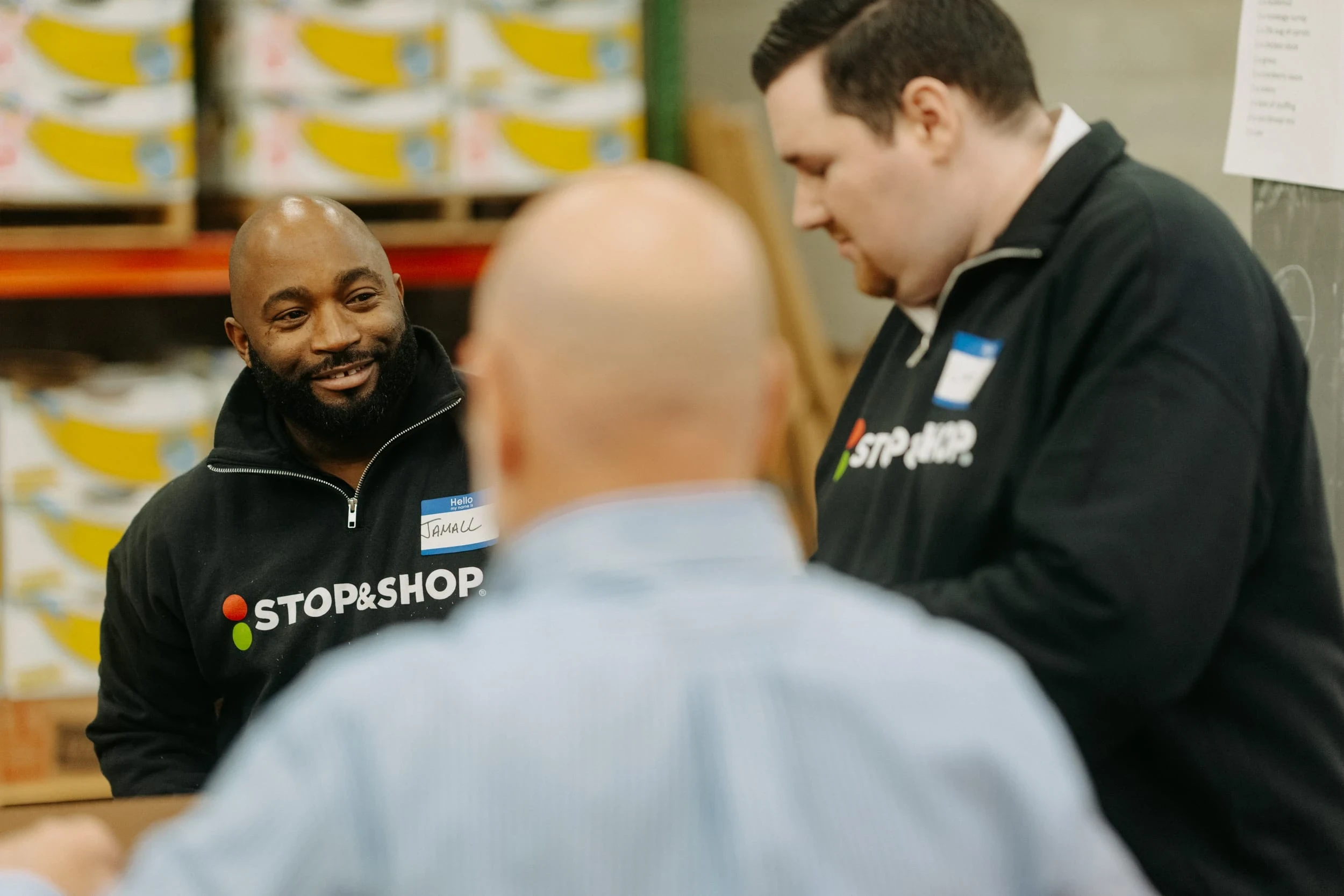
Partner Organizations That Make This Possible
Collective effort is the backbone of Thanksgiving.
This work depends on ongoing support from organizations across the region, including: United Way, College Hype, Stop & Shop, Church of the Immaculate Conception, the Weymouth Food Pantry, the Scituate Food Pantry, and the Mary Bielecki Foundation.
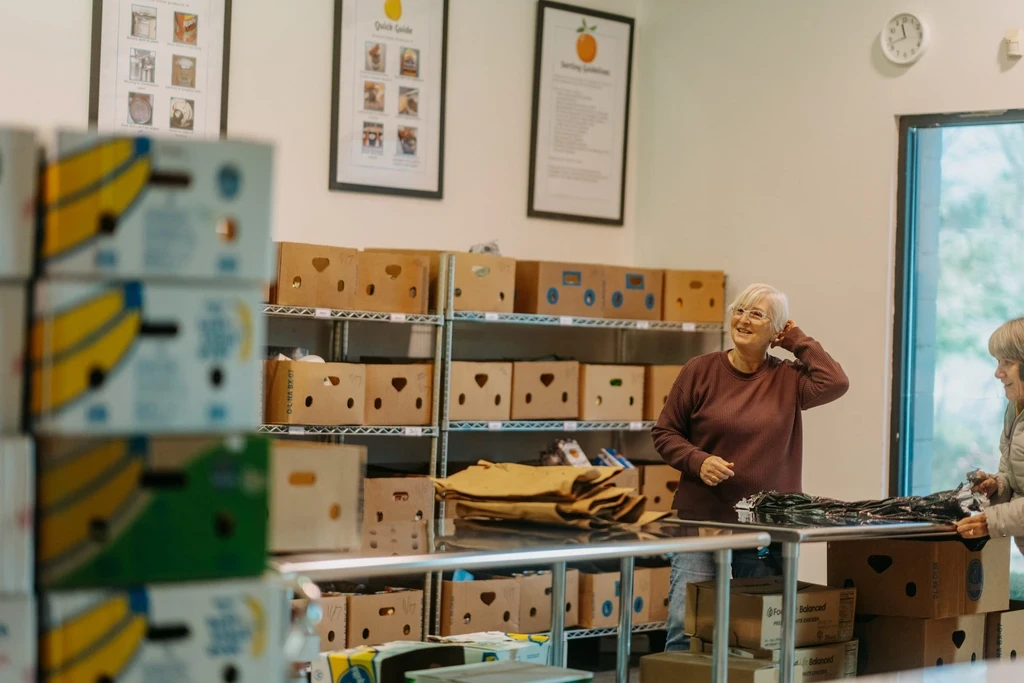
Stop & Shop’s volunteer team of more than twenty-five employees significantly accelerated assembly and staging. College Hype’s support helped push box-building at scale. And church partners continued to fill the gaps many families rely on. If not for the volunteers from these organizations, this critical work would be impossible.
Partner Organizations That Make This Possible
Collective effort is the backbone of Thanksgiving.
This work depends on ongoing support from organizations across the region, including: United Way, College Hype, Stop & Shop, Church of the Immaculate Conception, the Weymouth Food Pantry, the Scituate Food Pantry, and the Mary Bielecki Foundation.
Stop & Shop’s volunteer team of more than twenty-five employees significantly accelerated assembly and staging. College Hype’s support helped push box-building at scale. And church partners continued to fill the gaps many families rely on. If not for the volunteers from these organizations, this critical work would be impossible.
Partner Organizations That Make This Possible
Collective effort is the backbone of Thanksgiving.
This work depends on ongoing support from organizations across the region, including: United Way, College Hype, Stop & Shop, Church of the Immaculate Conception, the Weymouth Food Pantry, the Scituate Food Pantry, and the Mary Bielecki Foundation.
Stop & Shop’s volunteer team of more than twenty-five employees significantly accelerated assembly and staging. College Hype’s support helped push box-building at scale. And church partners continued to fill the gaps many families rely on. If not for the volunteers from these organizations, this critical work would be impossible.
School Deliveries
Supporting students and families where they already gather.
Two school-based distributions played a major role in this year’s effort.
Weymouth High School received 400 Thanksgiving meals in partnership with United Way. Randolph High School received 500 meals delivered directly to campus.
These school partnerships ensure food reaches families who may not have transportation, flexible schedules, or the ability to attend pantry hours. Teachers, administrators, and parent volunteers help organize the distribution lines, reducing stigma and increasing access for families who rely on school as a central community hub.
In the video above, Kevin Donovan, volunteer and board member of both the Weymouth Food Pantry and South Shore Food Bank, shares how the Weekend Backpack Program fills the critical gap for families with children struggling with food insecurity when school isn't in session.
School Deliveries
Supporting students and families where they already gather.
Two school-based distributions played a major role in this year’s effort.
Weymouth High School received 400 Thanksgiving meals in partnership with United Way. Randolph High School received 500 meals delivered directly to campus.
These school partnerships ensure food reaches families who may not have transportation, flexible schedules, or the ability to attend pantry hours. Teachers, administrators, and parent volunteers help organize the distribution lines, reducing stigma and increasing access for families who rely on school as a central community hub.
In the video above, Kevin Donovan, volunteer and board member of both the Weymouth Food Pantry and South Shore Food Bank, shares how the Weekend Backpack Program fills the critical gap for families with children struggling with food insecurity when school isn't in session.
School Deliveries
Supporting students and families where they already gather.
Two school-based distributions played a major role in this year’s effort.
Weymouth High School received 400 Thanksgiving meals in partnership with United Way. Randolph High School received 500 meals delivered directly to campus.
These school partnerships ensure food reaches families who may not have transportation, flexible schedules, or the ability to attend pantry hours. Teachers, administrators, and parent volunteers help organize the distribution lines, reducing stigma and increasing access for families who rely on school as a central community hub.
In the video above, Kevin Donovan, volunteer and board member of both the Weymouth Food Pantry and South Shore Food Bank, shares how the Weekend Backpack Program fills the critical gap for families with children struggling with food insecurity when school isn't in session.
Home Deliveries: The Last Mile
Meeting families where they are.
SSFB prepared 150 home-delivery orders for individuals and families who cannot travel due to mobility challenges, disability, health conditions, or lack of transportation.
These deliveries require careful packing, clear labeling, storage considerations, and volunteer training specific to home visits. It is one of the quietest and most personal parts of the Thanksgiving effort — one household at a time, each with its own needs and story.
The video above explores Weymouth Food Pantry’s Made With Love Meals by Chef Patricia Riddle who volunteers with Old South Union Church parishioners to help provide fresh, frozen meals for seniors and university students in need.
Home Deliveries: The Last Mile
Meeting families where they are.
SSFB prepared 150 home-delivery orders for individuals and families who cannot travel due to mobility challenges, disability, health conditions, or lack of transportation.
These deliveries require careful packing, clear labeling, storage considerations, and volunteer training specific to home visits. It is one of the quietest and most personal parts of the Thanksgiving effort — one household at a time, each with its own needs and story.
The video above explores Weymouth Food Pantry’s Made With Love Meals by Chef Patricia Riddle who volunteers with Old South Union Church parishioners to help provide fresh, frozen meals for seniors and university students in need.
Home Deliveries: The Last Mile
Meeting families where they are.
SSFB prepared 150 home-delivery orders for individuals and families who cannot travel due to mobility challenges, disability, health conditions, or lack of transportation.
These deliveries require careful packing, clear labeling, storage considerations, and volunteer training specific to home visits. It is one of the quietest and most personal parts of the Thanksgiving effort — one household at a time, each with its own needs and story.
The video above explores Weymouth Food Pantry’s Made With Love Meals by Chef Patricia Riddle who volunteers with Old South Union Church parishioners to help provide fresh, frozen meals for seniors and university students in need.
Part Two: Distribution Week
A look ahead at the final stage of the Thanksgiving effort.
This blog post captures the early days inside the warehouse — the preparation, the coordination, and the collective momentum behind Thanksgiving week. Part two will feature conversations with Chef Paul Wahlberg owner of Wahlburgers and local Hingham hot spot Alma Nove, Massachusetts Senator Patrick O’Connor, and Jamall Griffin of Stop & Shop, whose volunteer team played a pivotal role in this year’s effort.
Part two will also document the final days leading to Thanksgiving as meals make their way to families across Weymouth, Randolph, Scituate, Rockland, and beyond.
Part Two: Distribution Week
A look ahead at the final stage of the Thanksgiving effort.
This blog post captures the early days inside the warehouse — the preparation, the coordination, and the collective momentum behind Thanksgiving week. Part two will feature conversations with Chef Paul Wahlberg owner of Wahlburgers and local Hingham hot spot Alma Nove, Massachusetts Senator Patrick O’Connor, and Jamall Griffin of Stop & Shop, whose volunteer team played a pivotal role in this year’s effort.
Part two will also document the final days leading to Thanksgiving as meals make their way to families across Weymouth, Randolph, Scituate, Rockland, and beyond.
Part Two: Distribution Week
A look ahead at the final stage of the Thanksgiving effort.
This blog post captures the early days inside the warehouse — the preparation, the coordination, and the collective momentum behind Thanksgiving week. Part two will feature conversations with Chef Paul Wahlberg owner of Wahlburgers and local Hingham hot spot Alma Nove, Massachusetts Senator Patrick O’Connor, and Jamall Griffin of Stop & Shop, whose volunteer team played a pivotal role in this year’s effort.
Part two will also document the final days leading to Thanksgiving as meals make their way to families across Weymouth, Randolph, Scituate, Rockland, and beyond.
Closing: Community Effort, Year-Round Impact
Thanksgiving is one moment — the need extends far beyond it.
SSFB exists so that local pantries don’t have to operate in isolation, families don’t have to travel long distances for help, and communities have the infrastructure to support their own.
Thanksgiving is one moment. Food insecurity is year-round. The work continues long after the holiday, and it is sustained by volunteers, partners, and donors who understand that food access is a shared responsibility.
Closing: Community Effort, Year-Round Impact
Thanksgiving is one moment — the need extends far beyond it.
SSFB exists so that local pantries don’t have to operate in isolation, families don’t have to travel long distances for help, and communities have the infrastructure to support their own.
Thanksgiving is one moment. Food insecurity is year-round. The work continues long after the holiday, and it is sustained by volunteers, partners, and donors who understand that food access is a shared responsibility.
Closing: Community Effort, Year-Round Impact
Thanksgiving is one moment — the need extends far beyond it.
SSFB exists so that local pantries don’t have to operate in isolation, families don’t have to travel long distances for help, and communities have the infrastructure to support their own.
Thanksgiving is one moment. Food insecurity is year-round. The work continues long after the holiday, and it is sustained by volunteers, partners, and donors who understand that food access is a shared responsibility.