
The Beanery on Washington is my 2026 Vibe
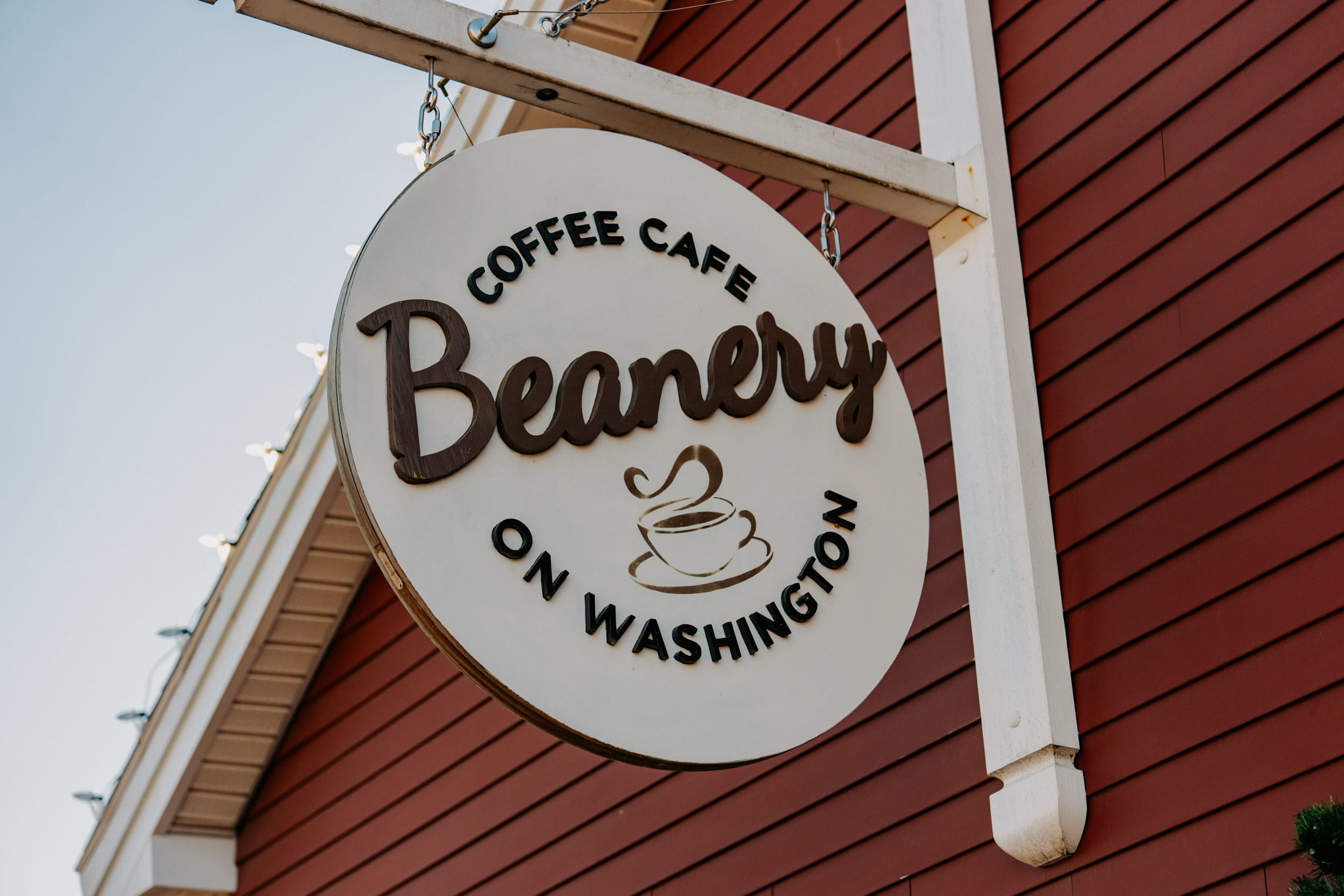
I grew up in Easton. I graduated from Oliver Ames in 2005, back when leaving campus during free periods meant grabbing a coffee somewhere unremarkable and heading right back, often waving to Mr. Brockman in the parking lot. There weren’t many places that felt like they invited you to linger, and there certainly weren’t spaces that openly signaled inclusivity in the way The Beanery on Washington does today.
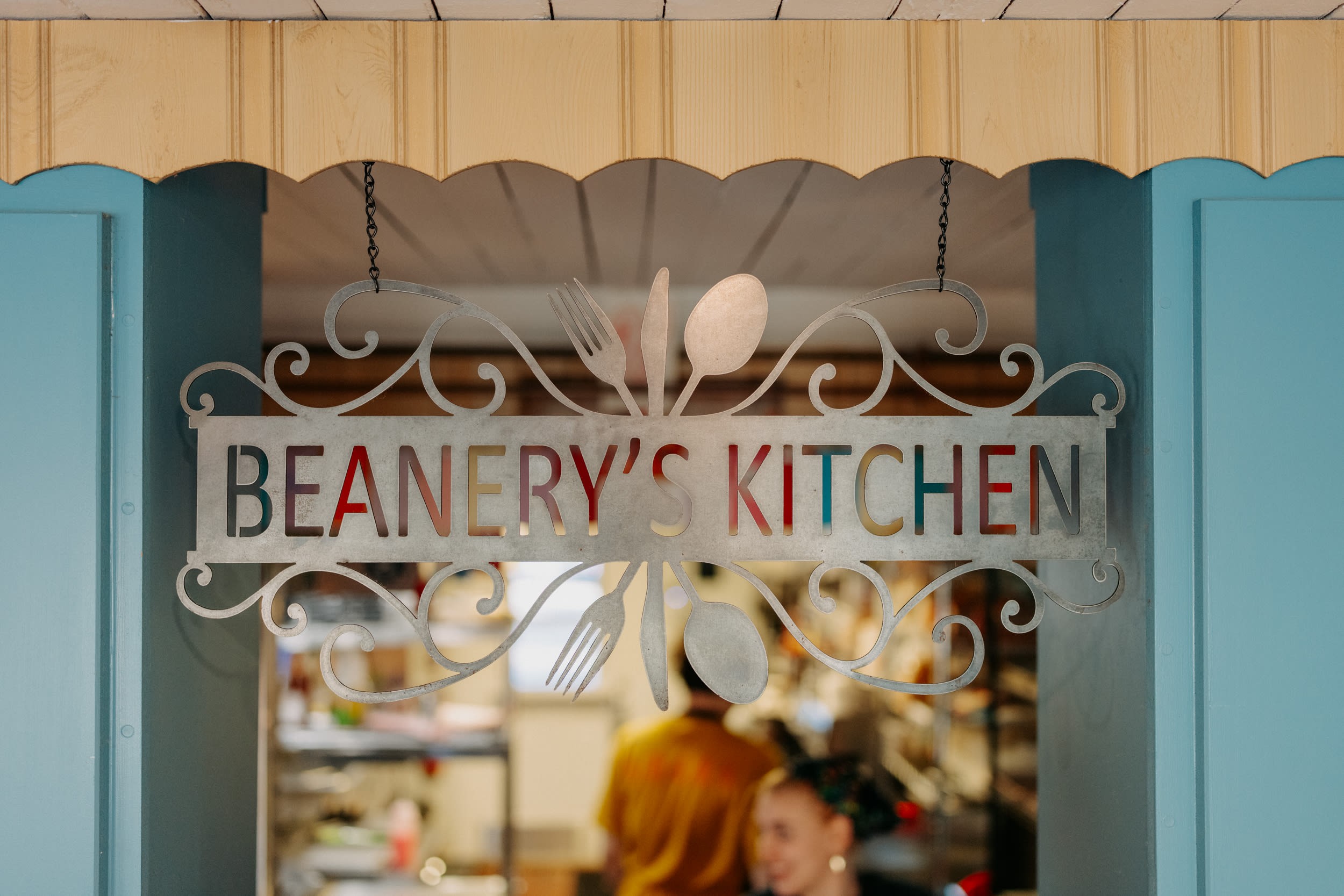
So when I walked into The Beanery, located at 181 Washington Street in North Easton, for the first time, I felt something I didn’t expect: pride. Not just in a good cup of coffee or a thoughtfully made piece of toast, but in seeing a space like this exist, comfortably and confidently, in the town where I grew up.
That feeling deepened when The Beanery hosted a fundraiser for be; from December 8–14, donating proceeds from their “be; Buzzed” beverage to support the organization. The fundraiser itself wasn’t about numbers or totals. What mattered was the gesture. A small business choosing to stand publicly with a community organization whose mission centers inclusion, dignity, and connection, just like their own. That choice says more than a dollar amount ever could.
A Place That Feels Lived In
Comfort doesn’t come from design trends. It comes from memory.
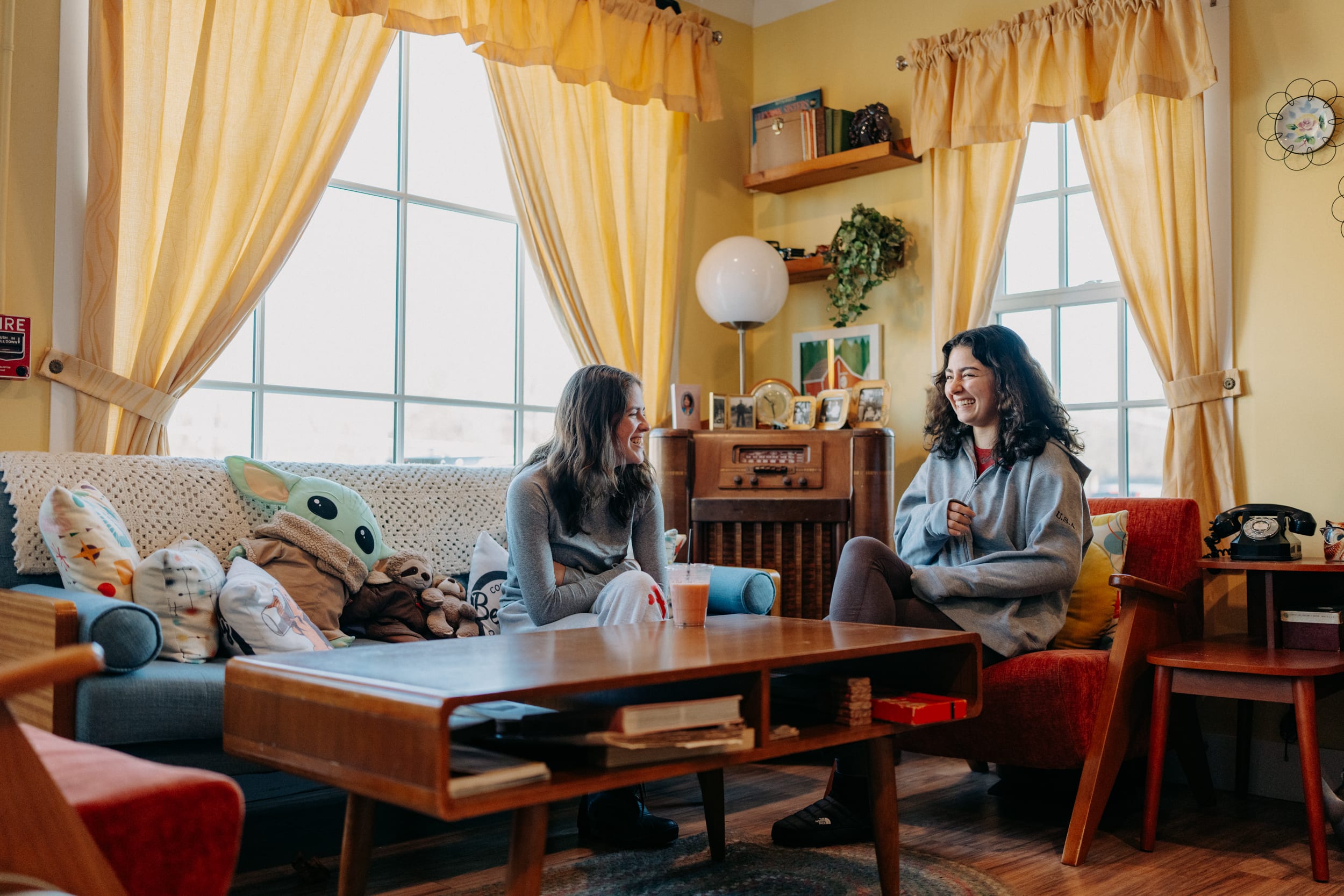
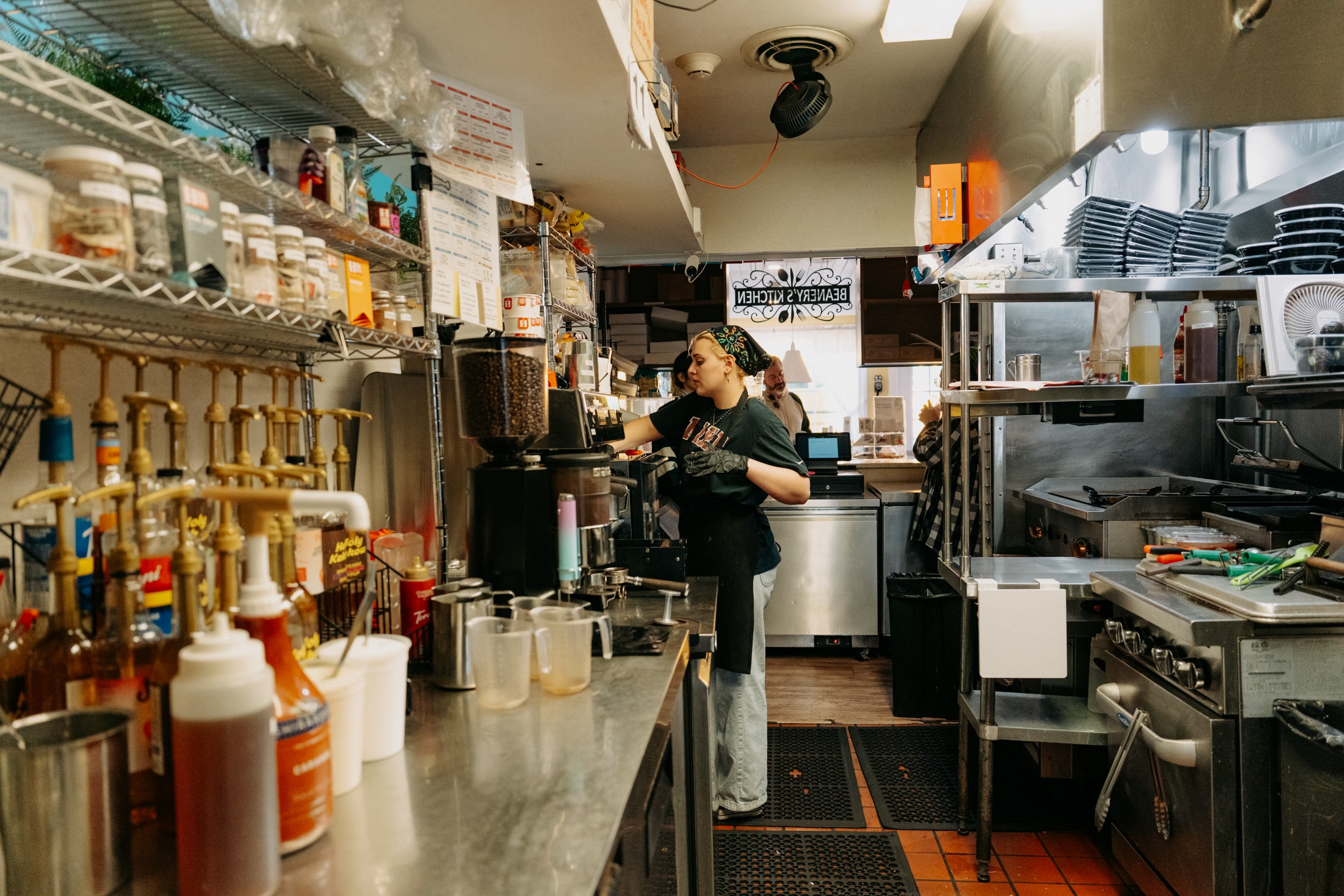
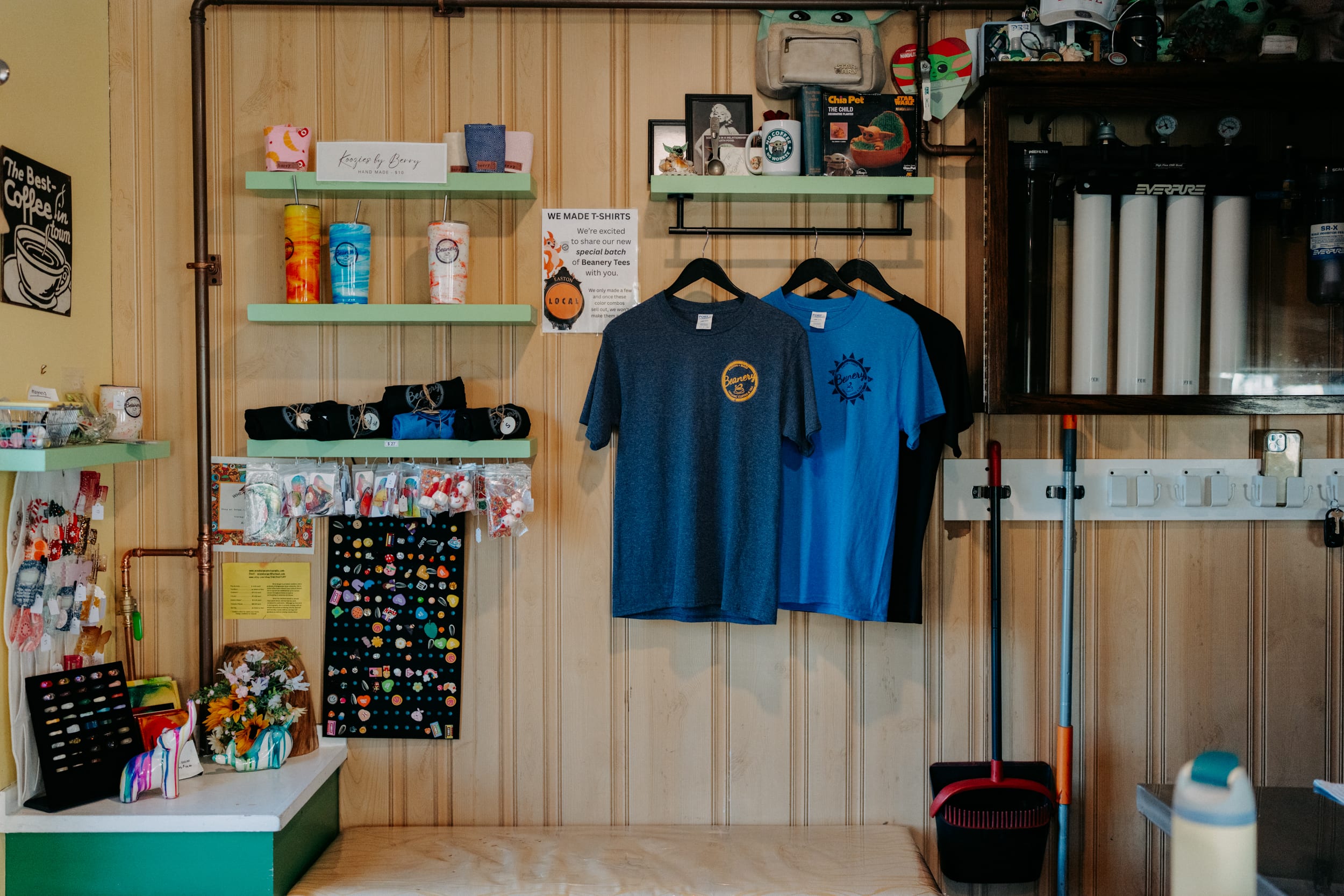
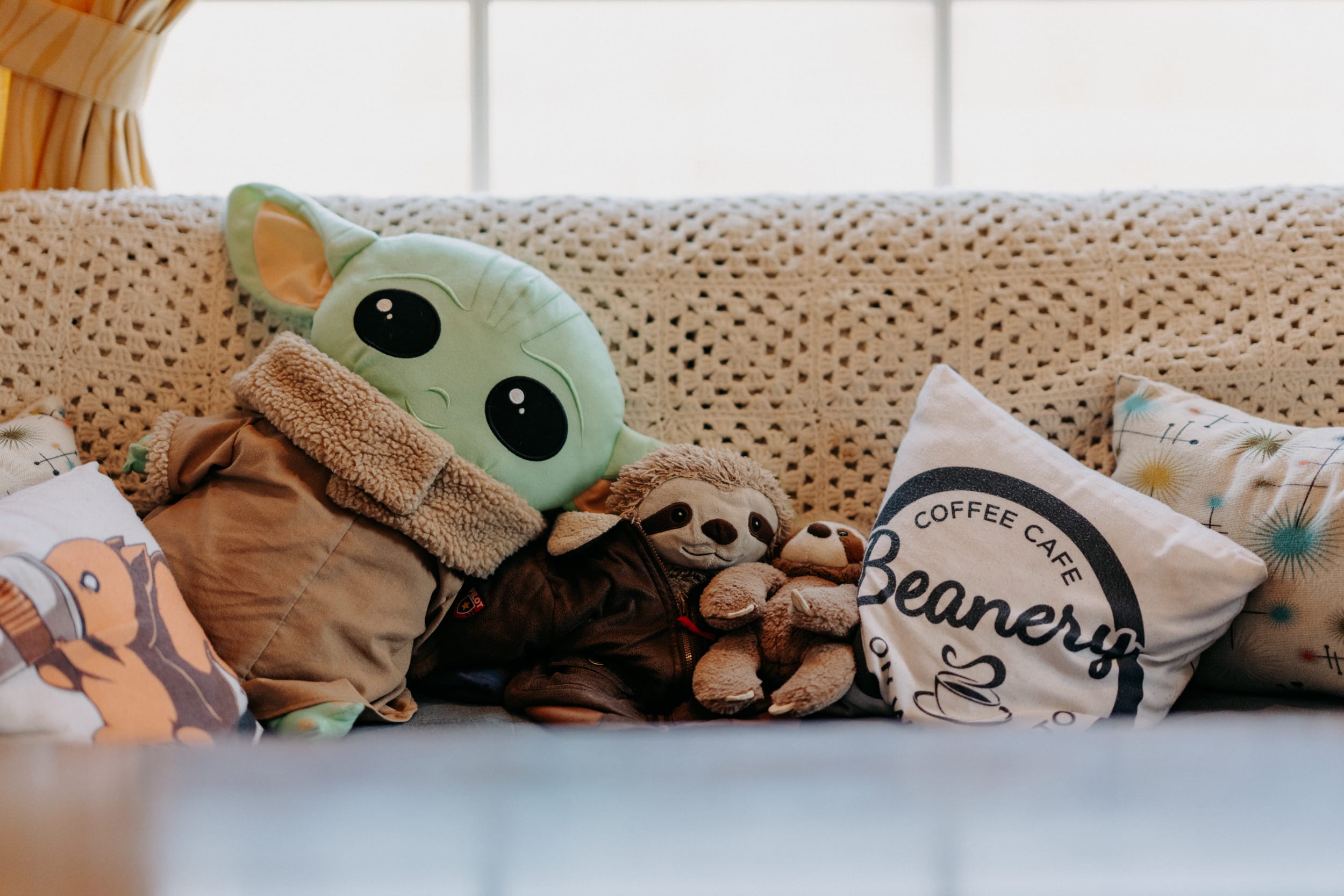
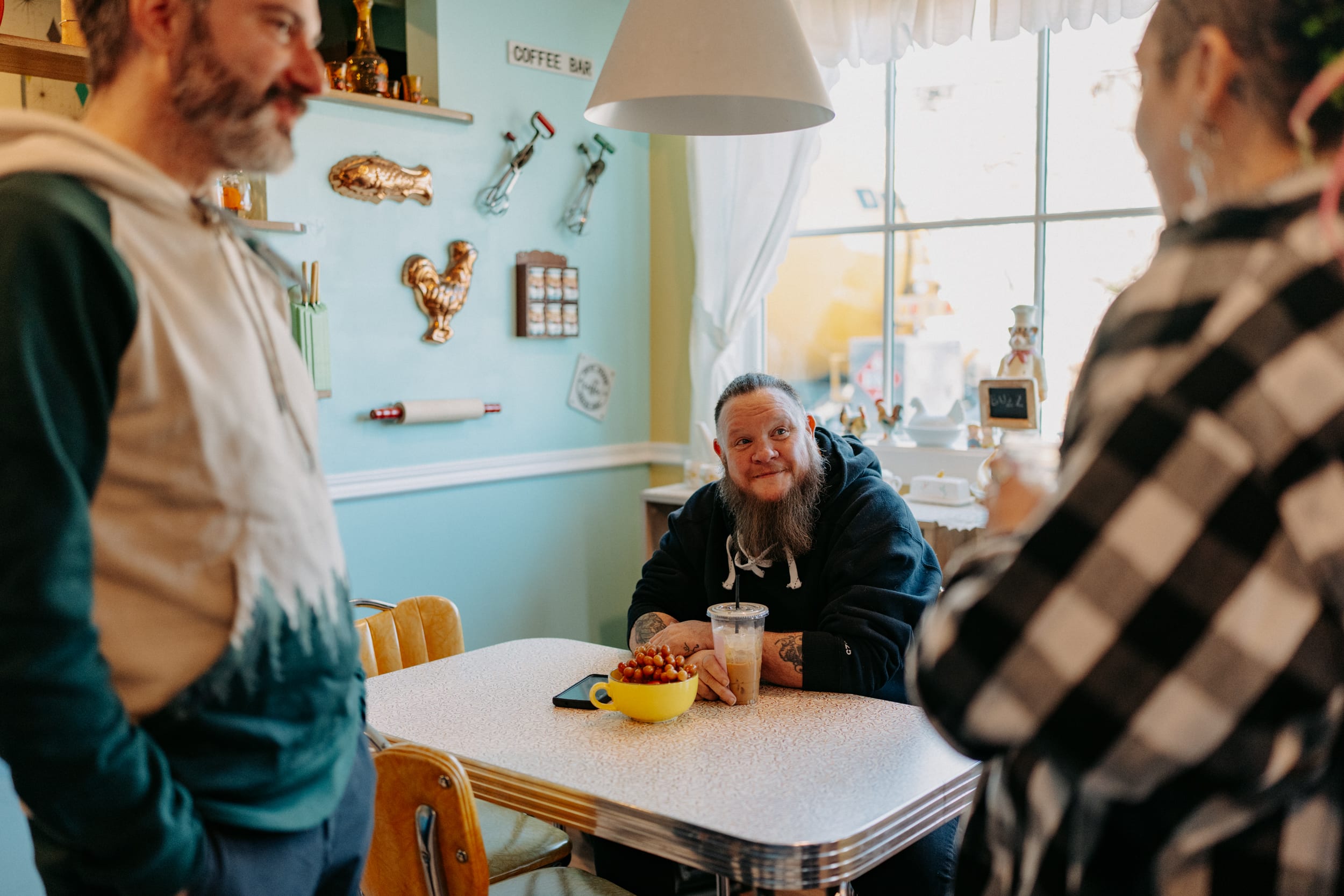
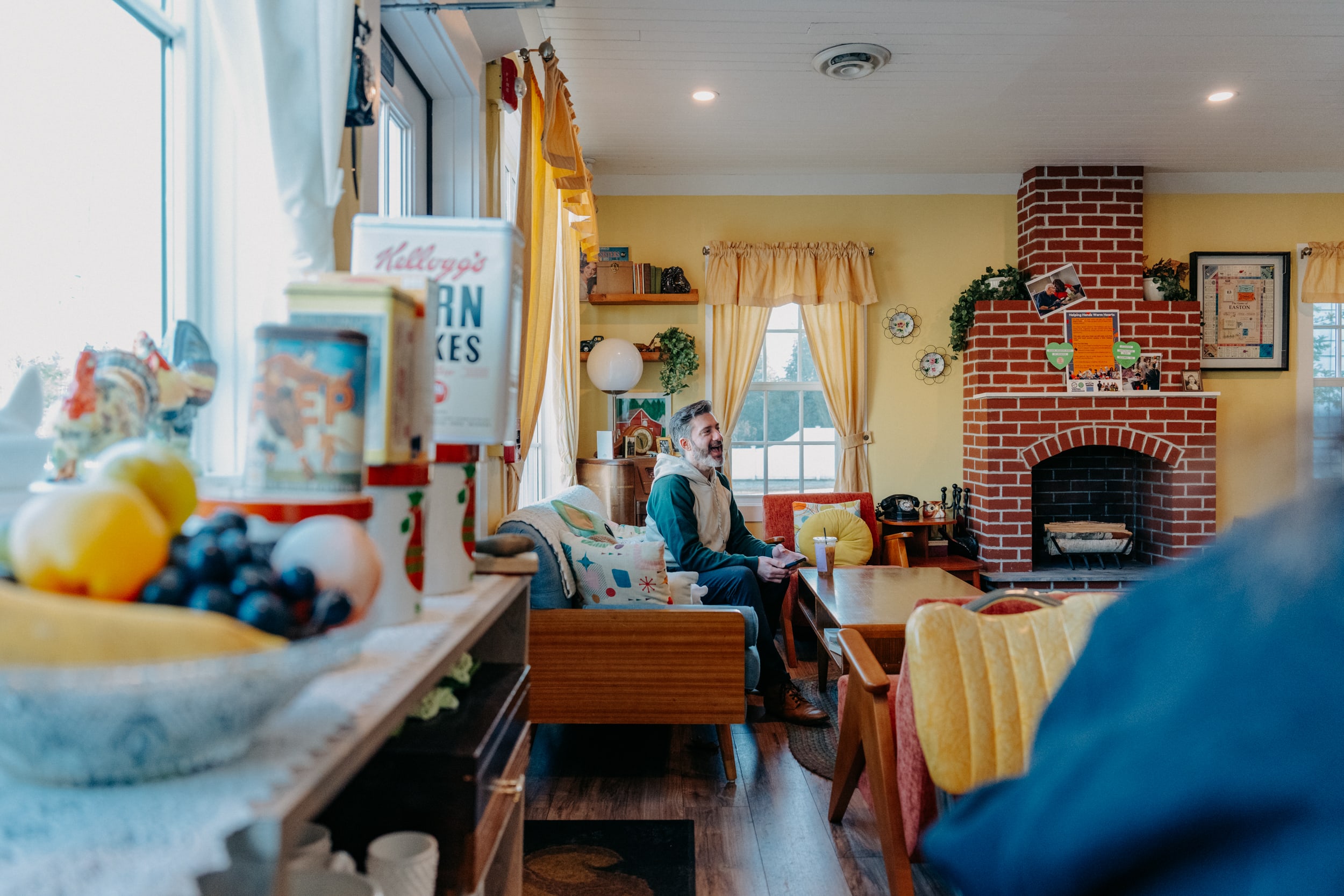
The Beanery on Washington doesn’t feel curated in the trendy sense. It feels lived in. The space reads like a homey diner crossed with a grandmother’s kitchen, not a metaphor, but a literal one. Many of the antiques and vintage objects scattered throughout the café came from one of the owner’s grandmother’s homes. An old wood-paneled AM/FM radio sits casually in the corner. Handheld manual beaters hang nearby. Worn calendars and books from the mid-20th century, complete with handwritten notes in the margins, remind you that these objects once belonged to real people with real routines.
There are diner tables, vintage shakers pulled from old Hoosier cabinets, and even a phone booth complete with a rotary payphone. It doesn’t feel staged or gimmicky. It feels like slipping into Mr. Rogers’ kitchen. You’re there for a bite, but you’re also going to leave knowing that everyone likes you ”just the way you are” (as Mr. Rogers always said).
That atmosphere matters. It lowers defenses. It makes people comfortable without asking them to perform comfort. You don’t feel like you’re walking into a brand. You feel like you’re walking into a place.
P.S. As someone who loves antiques and their cultural relevance, seeing Hoosier cabinets used as functional design elements made me smile. These cabinets were the foundation of modern kitchen cabinetry, designed to make everyday cooking more efficient and accessible. If you want to nerd out a bit, this article does a great job explaining their history.
A Place That Feels Lived In
Comfort doesn’t come from design trends. It comes from memory.
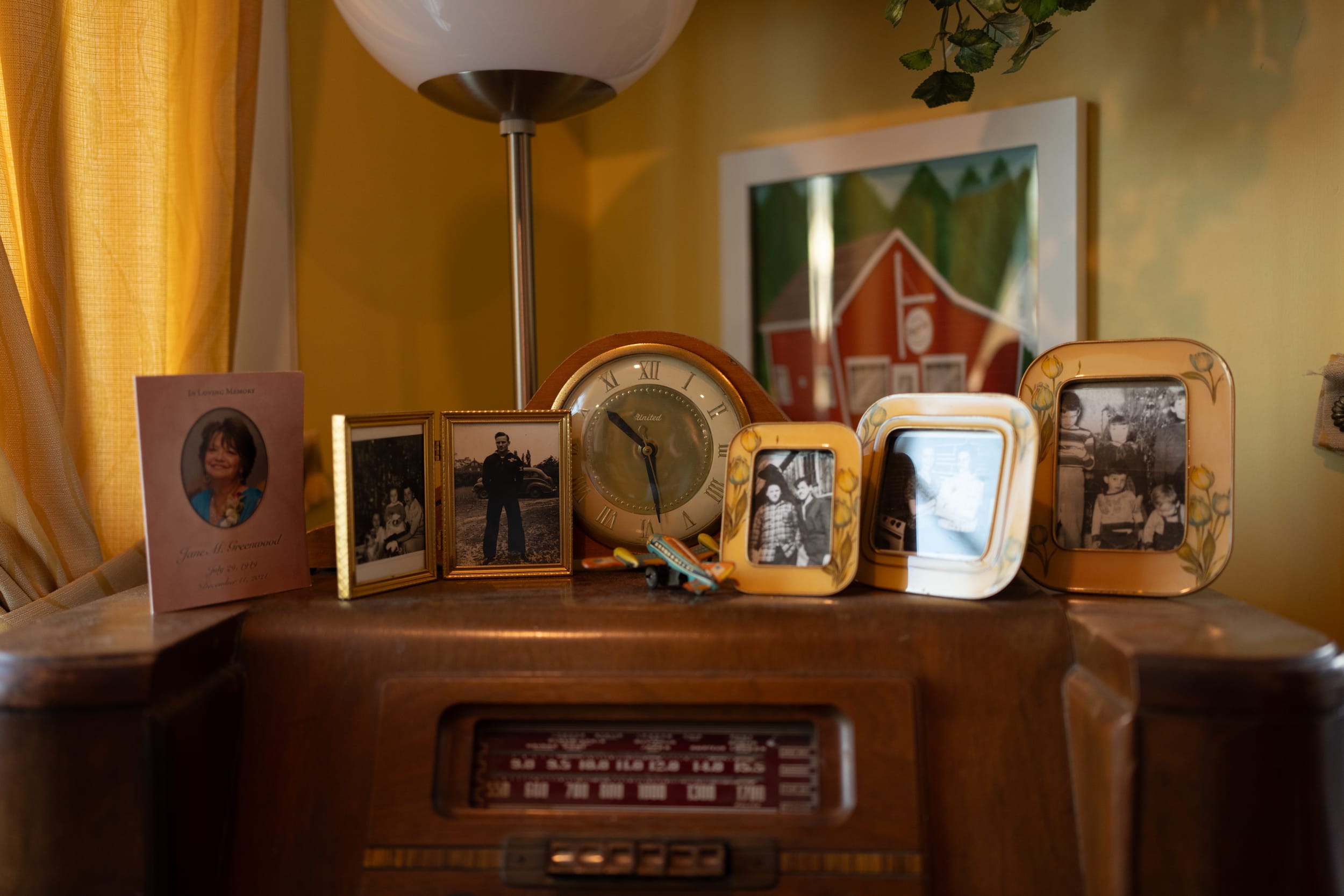
The Beanery on Washington doesn’t feel curated in the trendy sense. It feels lived in. The space reads like a homey diner crossed with a grandmother’s kitchen, not a metaphor, but a literal one. Many of the antiques and vintage objects scattered throughout the café came from one of the owner’s grandmother’s homes. An old wood-paneled AM/FM radio sits casually in the corner. Handheld manual beaters hang nearby. Worn calendars and books from the mid-20th century, complete with handwritten notes in the margins, remind you that these objects once belonged to real people with real routines.
There are diner tables, vintage shakers pulled from old Hoosier cabinets, and even a phone booth complete with a rotary payphone. It doesn’t feel staged or gimmicky. It feels like slipping into Mr. Rogers’ kitchen. You’re there for a bite, but you’re also going to leave knowing that everyone likes you ”just the way you are” (as Mr. Rogers always said).
That atmosphere matters. It lowers defenses. It makes people comfortable without asking them to perform comfort. You don’t feel like you’re walking into a brand. You feel like you’re walking into a place.
P.S. As someone who loves antiques and their cultural relevance, seeing Hoosier cabinets used as functional design elements made me smile. These cabinets were the foundation of modern kitchen cabinetry, designed to make everyday cooking more efficient and accessible. If you want to nerd out a bit, this article does a great job explaining their history.
A Place That Feels Lived In
Comfort doesn’t come from design trends. It comes from memory.
The Beanery on Washington doesn’t feel curated in the trendy sense. It feels lived in. The space reads like a homey diner crossed with a grandmother’s kitchen, not a metaphor, but a literal one. Many of the antiques and vintage objects scattered throughout the café came from one of the owner’s grandmother’s homes. An old wood-paneled AM/FM radio sits casually in the corner. Handheld manual beaters hang nearby. Worn calendars and books from the mid-20th century, complete with handwritten notes in the margins, remind you that these objects once belonged to real people with real routines.
There are diner tables, vintage shakers pulled from old Hoosier cabinets, and even a phone booth complete with a rotary payphone. It doesn’t feel staged or gimmicky. It feels like slipping into Mr. Rogers’ kitchen. You’re there for a bite, but you’re also going to leave knowing that everyone likes you ”just the way you are” (as Mr. Rogers always said).
That atmosphere matters. It lowers defenses. It makes people comfortable without asking them to perform comfort. You don’t feel like you’re walking into a brand. You feel like you’re walking into a place.
P.S. As someone who loves antiques and their cultural relevance, seeing Hoosier cabinets used as functional design elements made me smile. These cabinets were the foundation of modern kitchen cabinetry, designed to make everyday cooking more efficient and accessible. If you want to nerd out a bit, this article does a great job explaining their history.
Food Without the Garbage
Simple, thoughtful, and made for real people.
The food matches the philosophy.
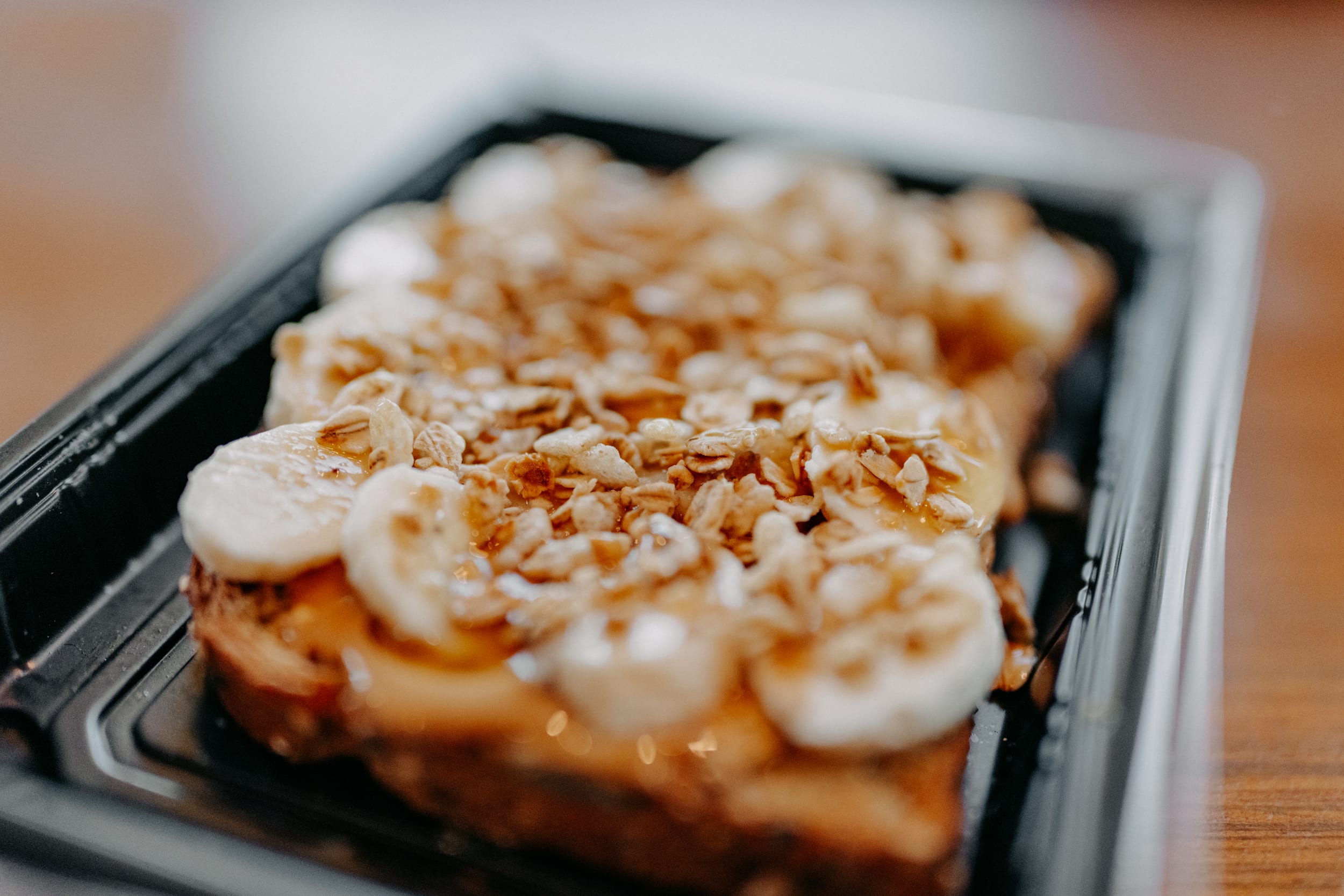
One of the standout items, and a personal favorite, is the peanut butter and banana toast with a honey drizzle. It’s simple, generous, and deeply satisfying. It’s also emblematic of the broader menu, which prioritizes organic ingredients, made-to-order food and drinks, and real options for people with dietary restrictions.
There are multiple nut butters. Non-dairy milk options. Thoughtful substitutions that don’t feel like afterthoughts. Everything is done without filler or gimmicks. No “garbage,” just good food made with care.
It’s the kind of menu that quietly says: you’re welcome here, as you are. Complicated order and all.
Food Without the Garbage
Simple, thoughtful, and made for real people.
The food matches the philosophy.
One of the standout items, and a personal favorite, is the peanut butter and banana toast with a honey drizzle. It’s simple, generous, and deeply satisfying. It’s also emblematic of the broader menu, which prioritizes organic ingredients, made-to-order food and drinks, and real options for people with dietary restrictions.
There are multiple nut butters. Non-dairy milk options. Thoughtful substitutions that don’t feel like afterthoughts. Everything is done without filler or gimmicks. No “garbage,” just good food made with care.
It’s the kind of menu that quietly says: you’re welcome here, as you are. Complicated order and all.
Food Without the Garbage
Simple, thoughtful, and made for real people.
The food matches the philosophy.
One of the standout items, and a personal favorite, is the peanut butter and banana toast with a honey drizzle. It’s simple, generous, and deeply satisfying. It’s also emblematic of the broader menu, which prioritizes organic ingredients, made-to-order food and drinks, and real options for people with dietary restrictions.
There are multiple nut butters. Non-dairy milk options. Thoughtful substitutions that don’t feel like afterthoughts. Everything is done without filler or gimmicks. No “garbage,” just good food made with care.
It’s the kind of menu that quietly says: you’re welcome here, as you are. Complicated order and all.
The People Make the Place
Hospitality is a feeling, not a transaction.
If the space sets the tone, the staff makes it stick.
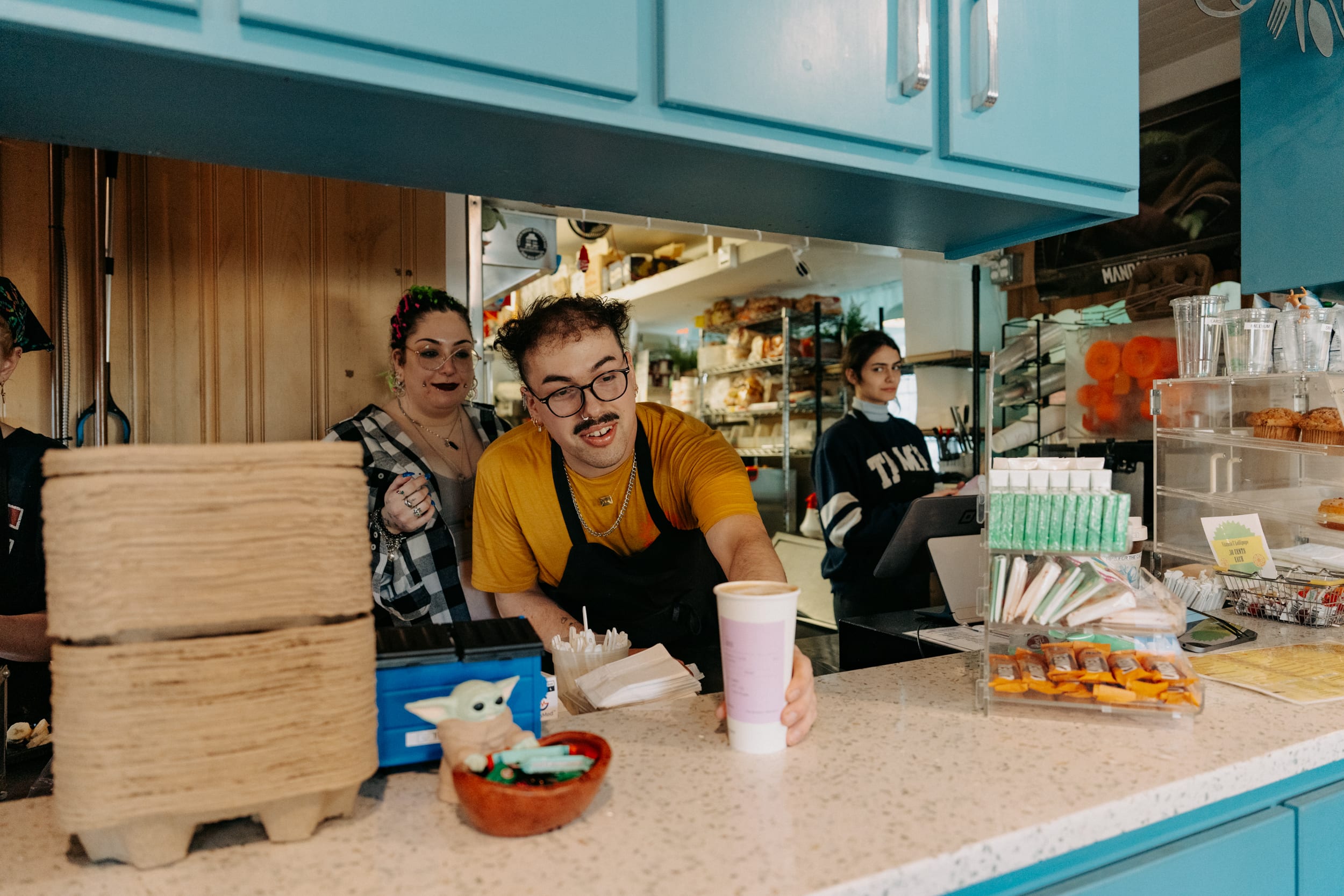
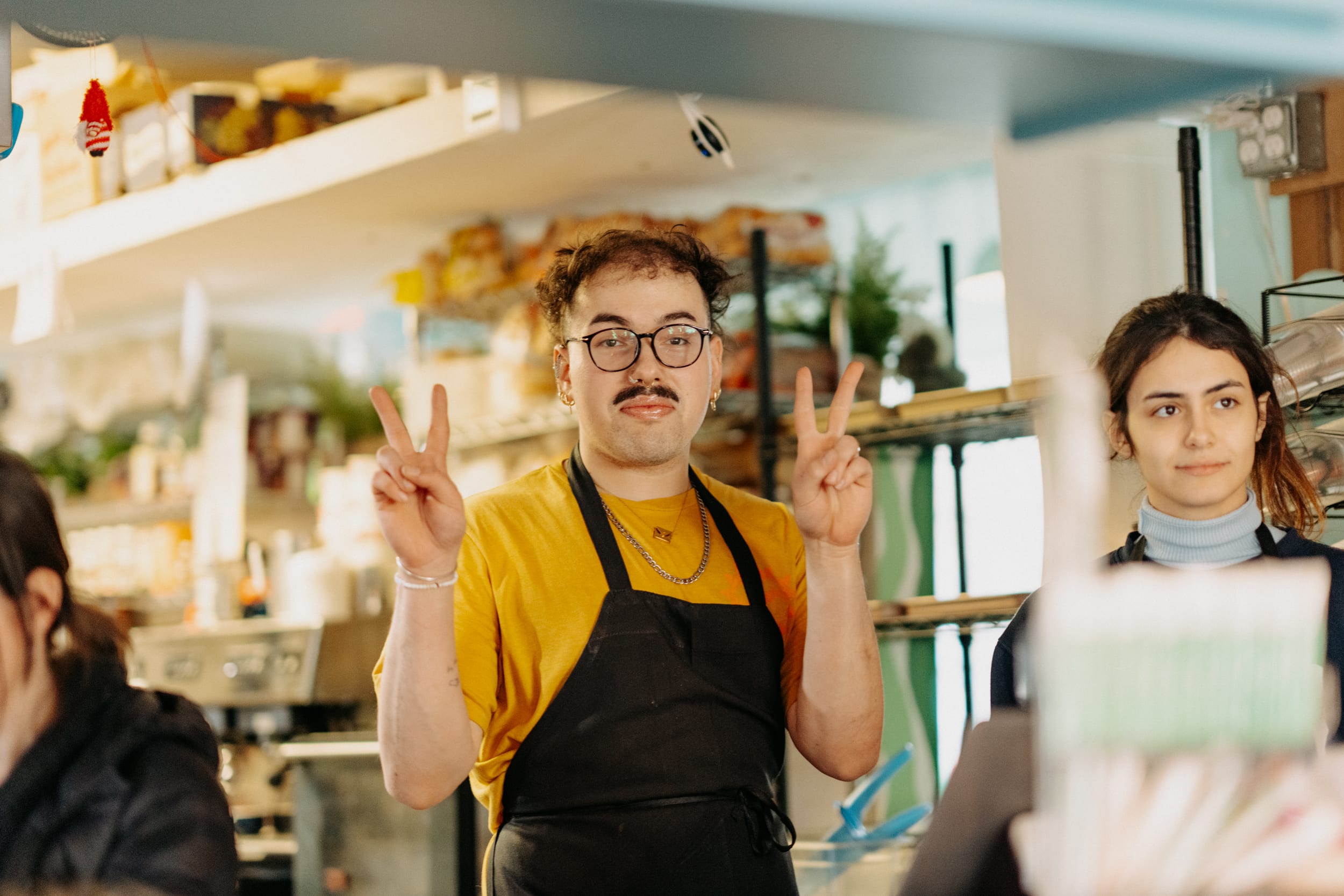
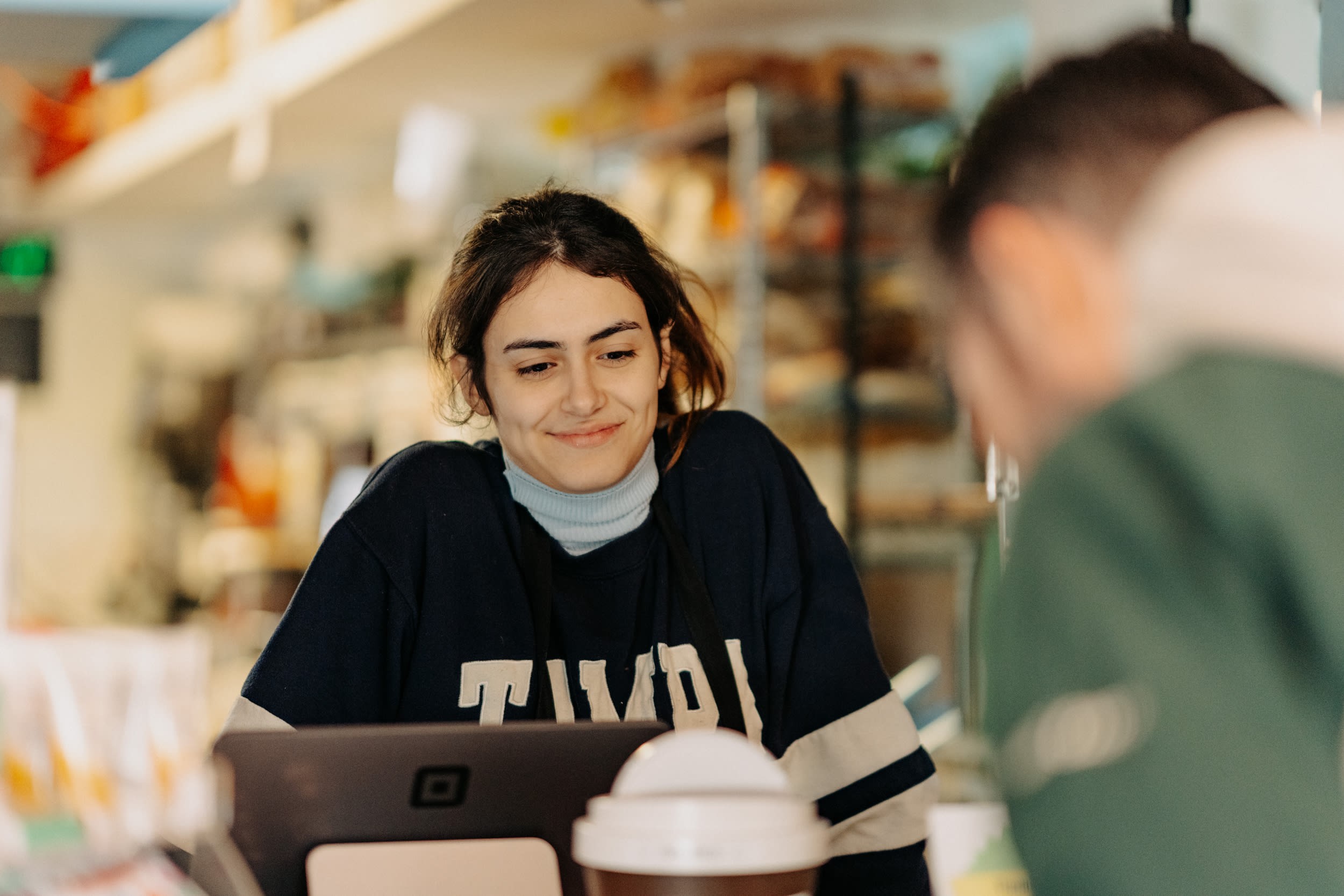
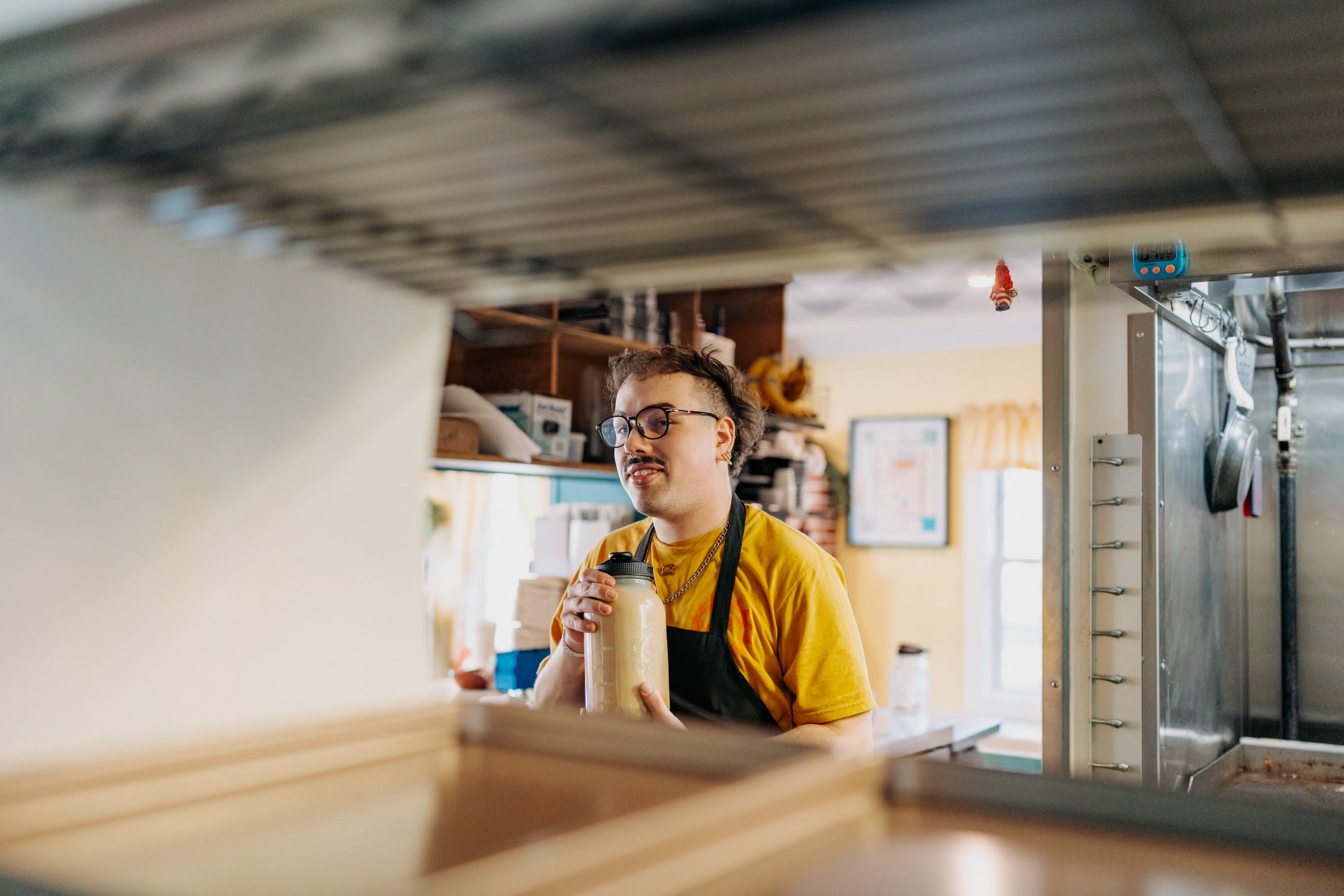
Blake, who many regulars recognize immediately, is the sassy soul of The Beanery on Washington. He greets people by name when he can, remembers orders when possible, and brings a quick wit that turns a routine coffee stop into a moment of connection. It’s not performative. It’s not scripted. It’s just genuine hospitality layered with humor and warmth.
You can tell Blake goes to work and is never anyone inside of it except exactly who he is outside of it. That kind of authenticity is rare, and it’s powerful.
Angela Souto, one of the owners, has clearly shaped the culture behind the counter. There’s a shared understanding among the staff that their role isn’t just to serve coffee, but to hold space.
You don’t feel like a customer being processed. You feel like a neighbor being welcomed.
The People Make the Place
Hospitality is a feeling, not a transaction.
If the space sets the tone, the staff makes it stick.
Blake, who many regulars recognize immediately, is the sassy soul of The Beanery on Washington. He greets people by name when he can, remembers orders when possible, and brings a quick wit that turns a routine coffee stop into a moment of connection. It’s not performative. It’s not scripted. It’s just genuine hospitality layered with humor and warmth.
You can tell Blake goes to work and is never anyone inside of it except exactly who he is outside of it. That kind of authenticity is rare, and it’s powerful.
Angela Souto, one of the owners, has clearly shaped the culture behind the counter. There’s a shared understanding among the staff that their role isn’t just to serve coffee, but to hold space.
You don’t feel like a customer being processed. You feel like a neighbor being welcomed.
The People Make the Place
Hospitality is a feeling, not a transaction.
If the space sets the tone, the staff makes it stick.
Blake, who many regulars recognize immediately, is the sassy soul of The Beanery on Washington. He greets people by name when he can, remembers orders when possible, and brings a quick wit that turns a routine coffee stop into a moment of connection. It’s not performative. It’s not scripted. It’s just genuine hospitality layered with humor and warmth.
You can tell Blake goes to work and is never anyone inside of it except exactly who he is outside of it. That kind of authenticity is rare, and it’s powerful.
Angela Souto, one of the owners, has clearly shaped the culture behind the counter. There’s a shared understanding among the staff that their role isn’t just to serve coffee, but to hold space.
You don’t feel like a customer being processed. You feel like a neighbor being welcomed.
Why Hosting the Fundraiser Mattered
Inclusion works best when it shows up quietly.
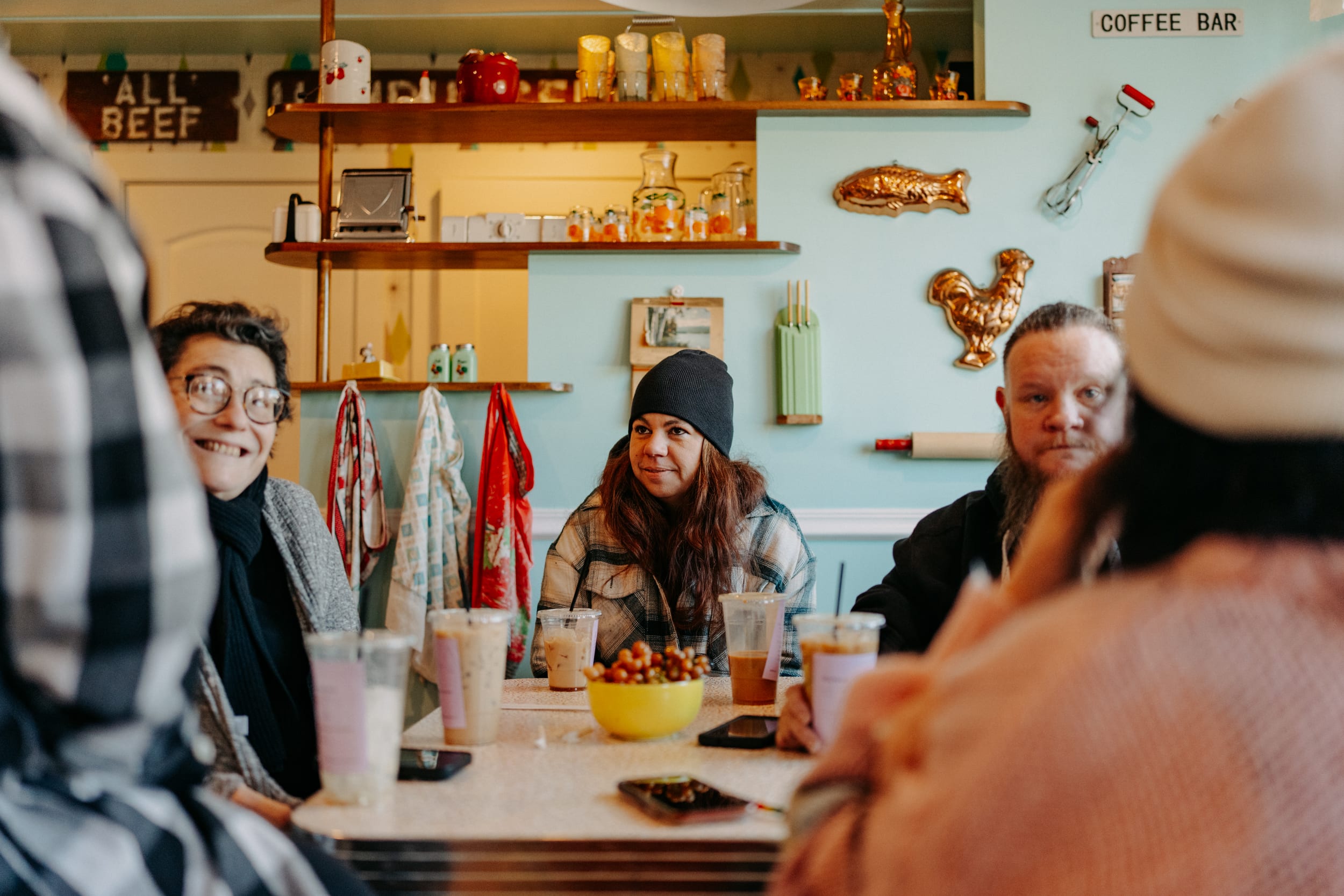
During the December fundraiser, be; birds filtered in and out of the café. Community members supporting the cause, connecting casually, blending seamlessly into the regular rhythm of the shop. There were no speeches, no signage screaming for attention, no pressure.
That subtlety is the point.
Hosting a fundraiser like this in a space like The Beanery places inclusion into the everyday. It allows people who may never seek out an LGBTQIA+-centered event to be gently and mundanely exposed to difference in a way that feels normal and unthreatening.
This kind of exposure is powerful precisely because it isn’t dramatic. It doesn’t ask anyone to change who they are. It simply asks them to exist together.
Growing up, a space like this didn’t exist in my hometown. I don’t dwell on that, but I do recognize how meaningful places like this are. Especially for young people learning how to embrace who they are by seeing others do the same.
Why Hosting the Fundraiser Mattered
Inclusion works best when it shows up quietly.
During the December fundraiser, be; birds filtered in and out of the café. Community members supporting the cause, connecting casually, blending seamlessly into the regular rhythm of the shop. There were no speeches, no signage screaming for attention, no pressure.
That subtlety is the point.
Hosting a fundraiser like this in a space like The Beanery places inclusion into the everyday. It allows people who may never seek out an LGBTQIA+-centered event to be gently and mundanely exposed to difference in a way that feels normal and unthreatening.
This kind of exposure is powerful precisely because it isn’t dramatic. It doesn’t ask anyone to change who they are. It simply asks them to exist together.
Growing up, a space like this didn’t exist in my hometown. I don’t dwell on that, but I do recognize how meaningful places like this are. Especially for young people learning how to embrace who they are by seeing others do the same.
Why Hosting the Fundraiser Mattered
Inclusion works best when it shows up quietly.
During the December fundraiser, be; birds filtered in and out of the café. Community members supporting the cause, connecting casually, blending seamlessly into the regular rhythm of the shop. There were no speeches, no signage screaming for attention, no pressure.
That subtlety is the point.
Hosting a fundraiser like this in a space like The Beanery places inclusion into the everyday. It allows people who may never seek out an LGBTQIA+-centered event to be gently and mundanely exposed to difference in a way that feels normal and unthreatening.
This kind of exposure is powerful precisely because it isn’t dramatic. It doesn’t ask anyone to change who they are. It simply asks them to exist together.
Growing up, a space like this didn’t exist in my hometown. I don’t dwell on that, but I do recognize how meaningful places like this are. Especially for young people learning how to embrace who they are by seeing others do the same.
A Note on be;
The organization behind the fundraiser.
be; is a community-based organization creating affirming spaces and connections for LGBTQIA+ adults and adults with differing abilities. Through social meetups, support groups, creative events, and community programming, be; centers dignity, belonging, and the belief that everyone deserves a place where they feel seen and valued.
If you want a deeper look at their story and impact, you can read my blog Finding be; and How a Chance Connection Became a Firefly Project, which explores how a chance connection grew into a long-term partnership.
Including this context matters, because it explains why a fundraiser like this, even a small one, carries weight. It’s about alignment, not optics.
A Note on be;
The organization behind the fundraiser.
be; is a community-based organization creating affirming spaces and connections for LGBTQIA+ adults and adults with differing abilities. Through social meetups, support groups, creative events, and community programming, be; centers dignity, belonging, and the belief that everyone deserves a place where they feel seen and valued.
If you want a deeper look at their story and impact, you can read my blog Finding be; and How a Chance Connection Became a Firefly Project, which explores how a chance connection grew into a long-term partnership.
Including this context matters, because it explains why a fundraiser like this, even a small one, carries weight. It’s about alignment, not optics.
A Note on be;
The organization behind the fundraiser.
be; is a community-based organization creating affirming spaces and connections for LGBTQIA+ adults and adults with differing abilities. Through social meetups, support groups, creative events, and community programming, be; centers dignity, belonging, and the belief that everyone deserves a place where they feel seen and valued.
If you want a deeper look at their story and impact, you can read my blog Finding be; and How a Chance Connection Became a Firefly Project, which explores how a chance connection grew into a long-term partnership.
Including this context matters, because it explains why a fundraiser like this, even a small one, carries weight. It’s about alignment, not optics.
Why Places Like This Matter
Sometimes change starts with coffee.
The Beanery on Washington isn’t just a café. It’s a protected space in the truest sense. It doesn’t protect people from the world. It allows them to show up honestly within it.
For LGBTQIA+ individuals, it’s a place where being yourself doesn’t feel like a risk. For everyone else, it’s an invitation to experience difference in a way that feels familiar, human, and ordinary.
That’s how change happens. Not through grand gestures, but through coffee counters, shared tables, and conversations that don’t feel forced.
Seeing a place like this thrive in my hometown makes me hopeful. Not because it’s perfect, but because it’s real. And because it proves that inclusion doesn’t have to be loud or exclusionary to be meaningful.
Sometimes, it just needs a good cup of coffee.
Why Places Like This Matter
Sometimes change starts with coffee.
The Beanery on Washington isn’t just a café. It’s a protected space in the truest sense. It doesn’t protect people from the world. It allows them to show up honestly within it.
For LGBTQIA+ individuals, it’s a place where being yourself doesn’t feel like a risk. For everyone else, it’s an invitation to experience difference in a way that feels familiar, human, and ordinary.
That’s how change happens. Not through grand gestures, but through coffee counters, shared tables, and conversations that don’t feel forced.
Seeing a place like this thrive in my hometown makes me hopeful. Not because it’s perfect, but because it’s real. And because it proves that inclusion doesn’t have to be loud or exclusionary to be meaningful.
Sometimes, it just needs a good cup of coffee.
Why Places Like This Matter
Sometimes change starts with coffee.
The Beanery on Washington isn’t just a café. It’s a protected space in the truest sense. It doesn’t protect people from the world. It allows them to show up honestly within it.
For LGBTQIA+ individuals, it’s a place where being yourself doesn’t feel like a risk. For everyone else, it’s an invitation to experience difference in a way that feels familiar, human, and ordinary.
That’s how change happens. Not through grand gestures, but through coffee counters, shared tables, and conversations that don’t feel forced.
Seeing a place like this thrive in my hometown makes me hopeful. Not because it’s perfect, but because it’s real. And because it proves that inclusion doesn’t have to be loud or exclusionary to be meaningful.
Sometimes, it just needs a good cup of coffee.