
QOM at be; March 2026
QOM Is the Creative Test Kitchen the South Shore Didn’t Know It Needed
Some nights are quiet. This wasn’t one of them.
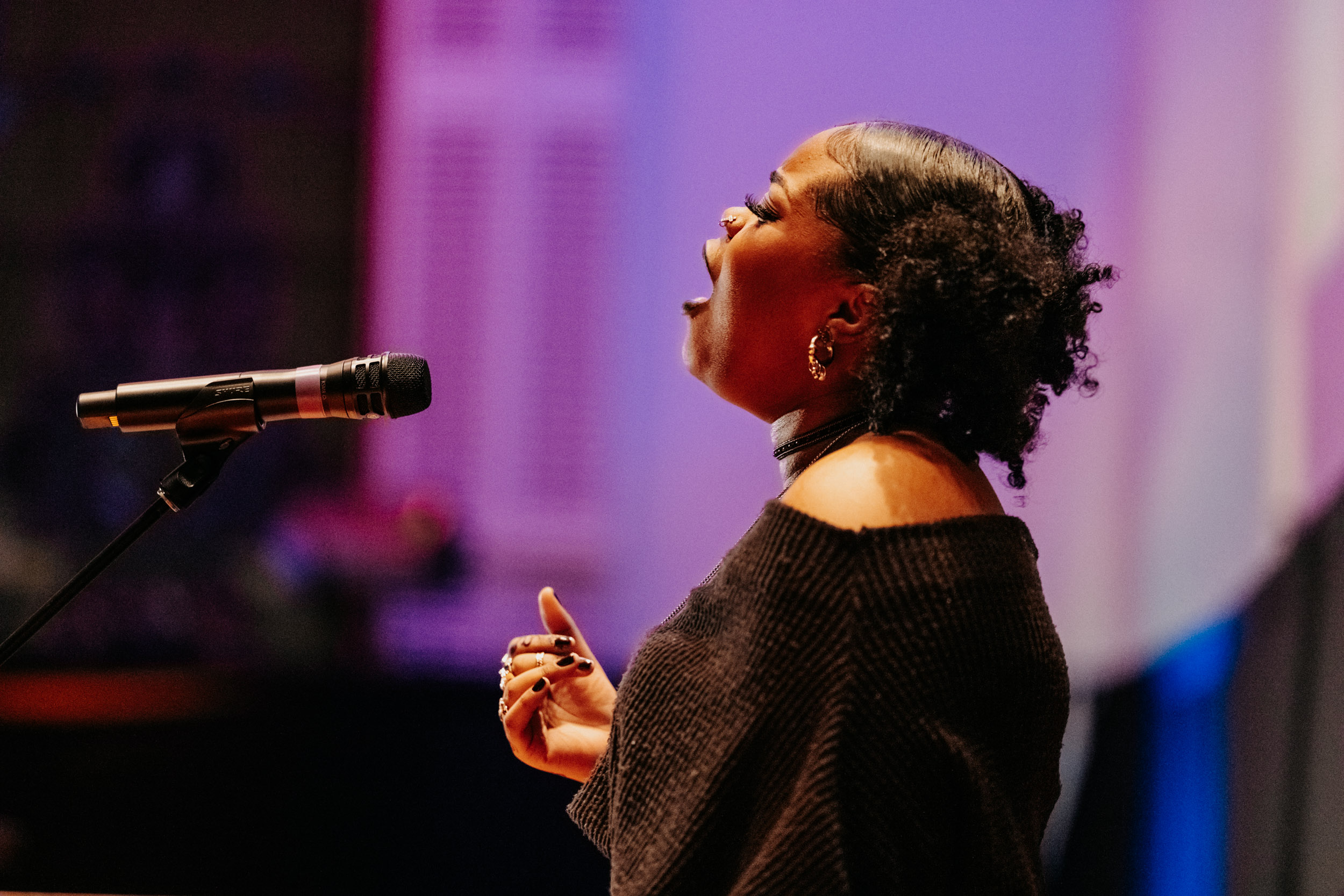
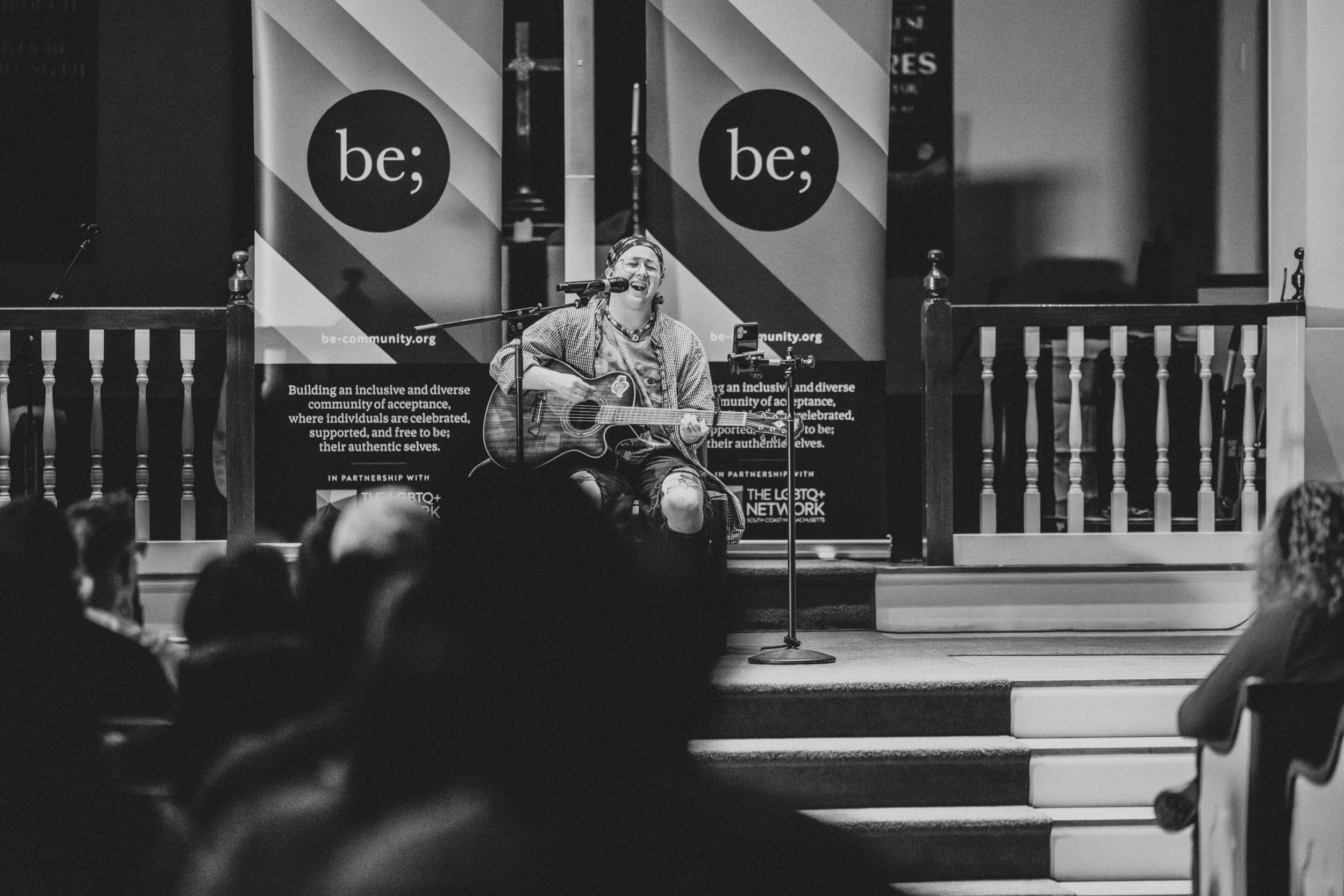
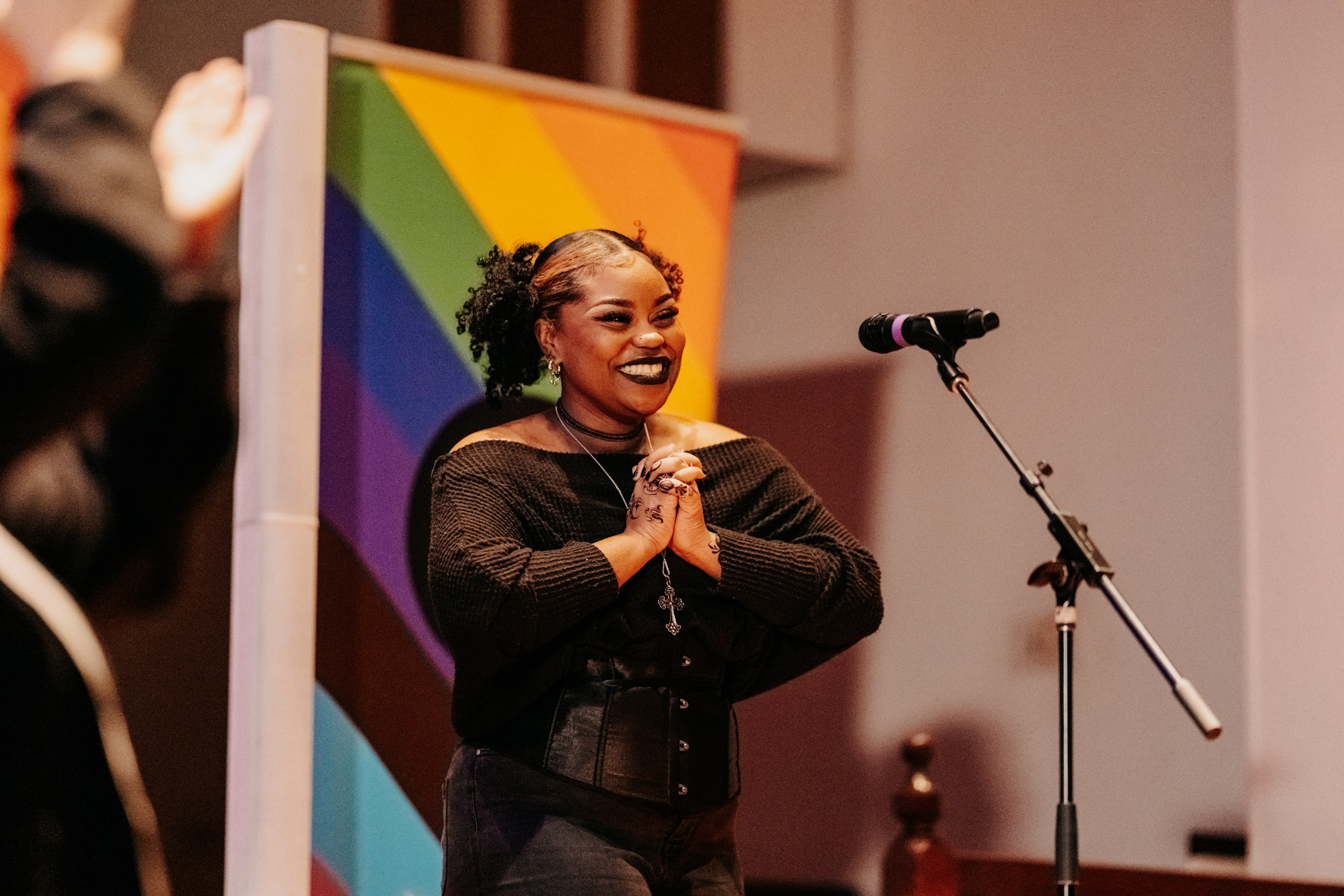
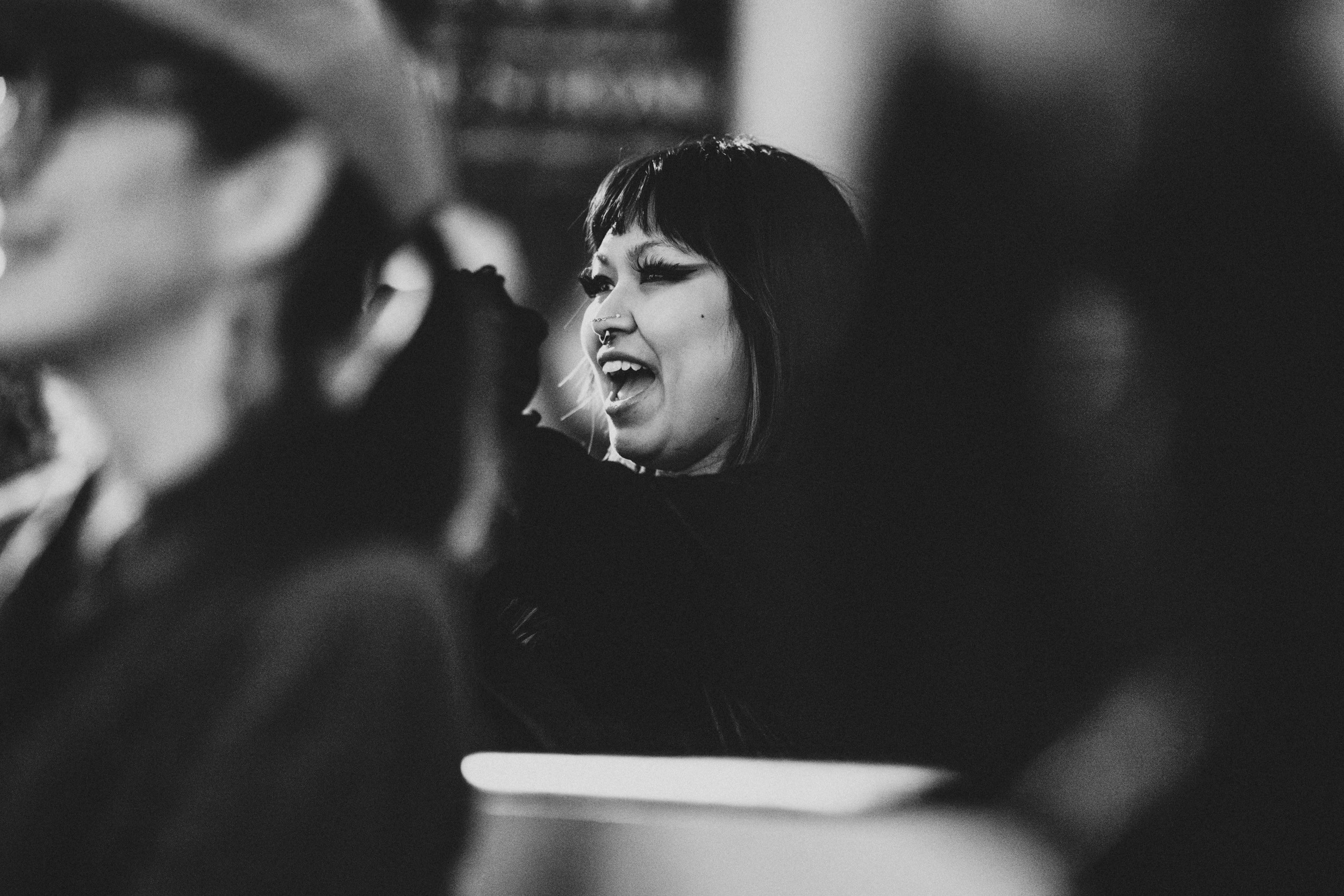
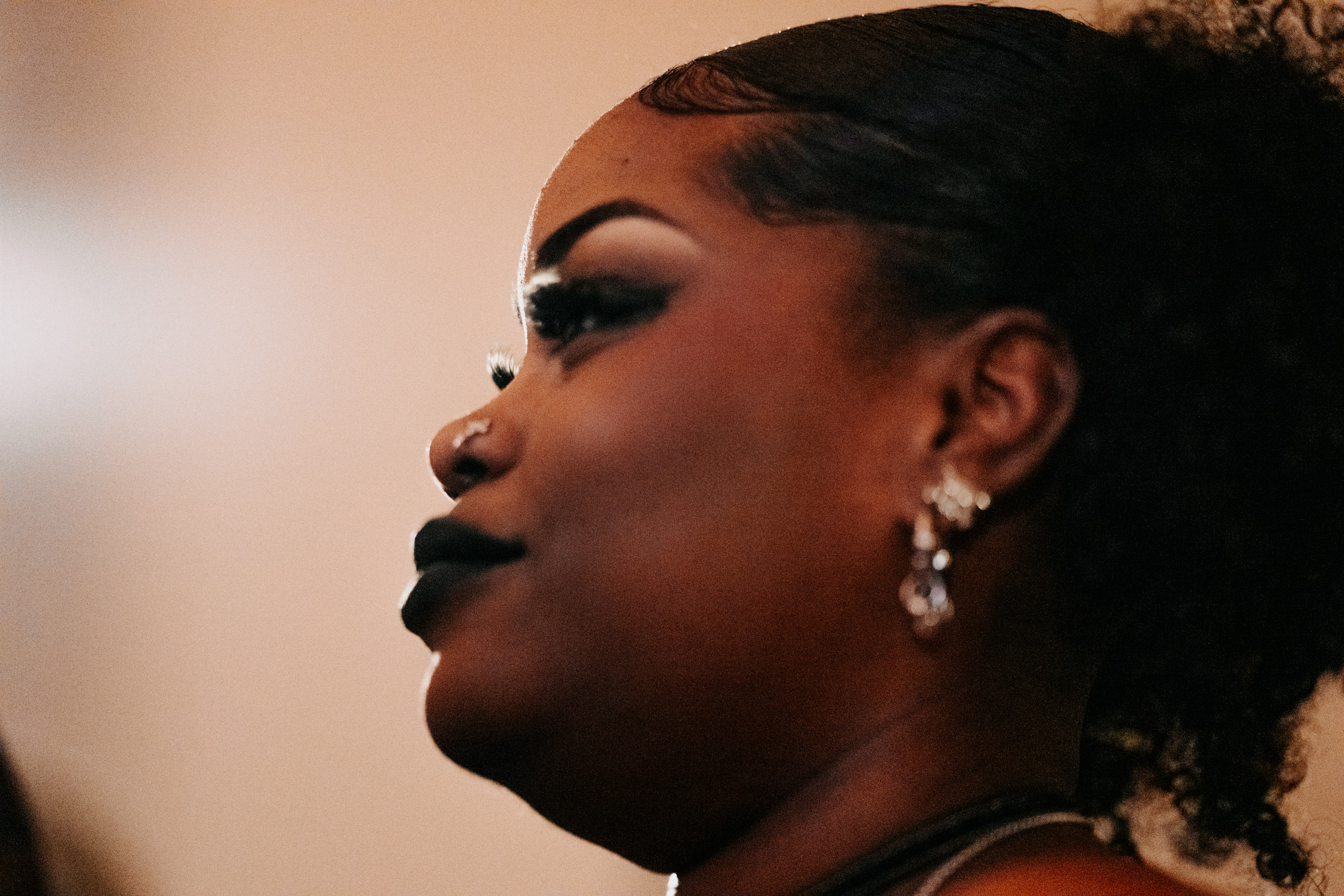
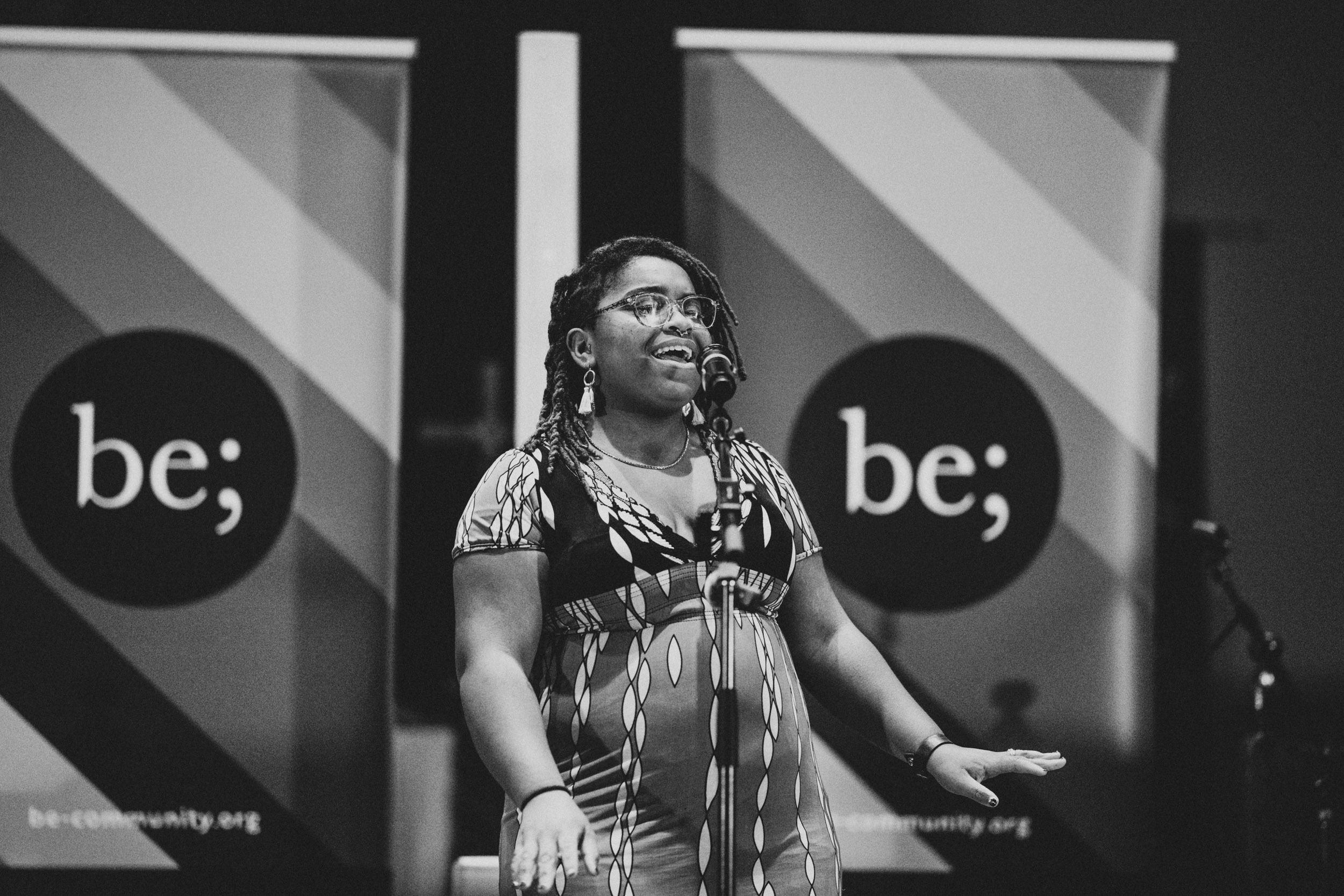
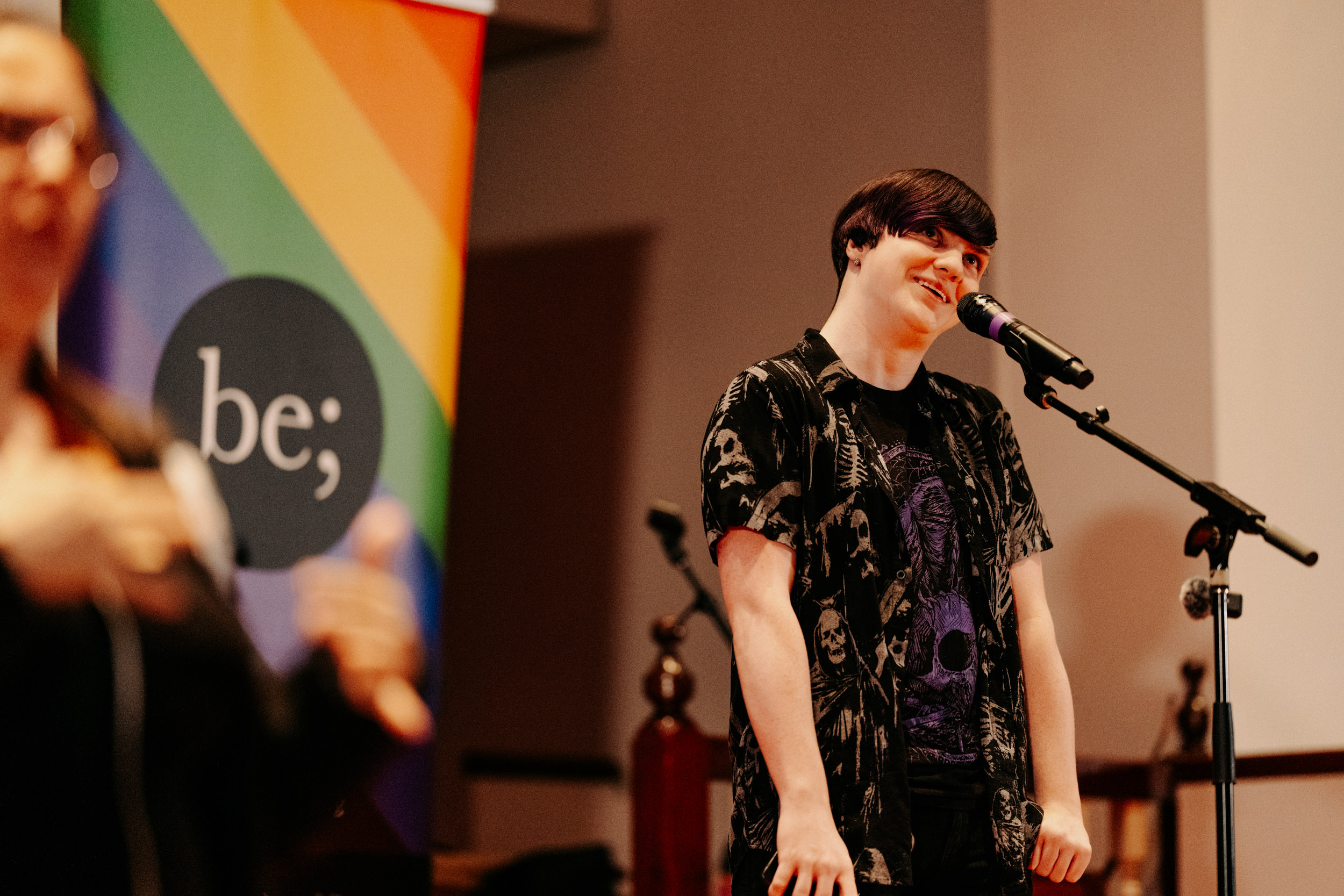
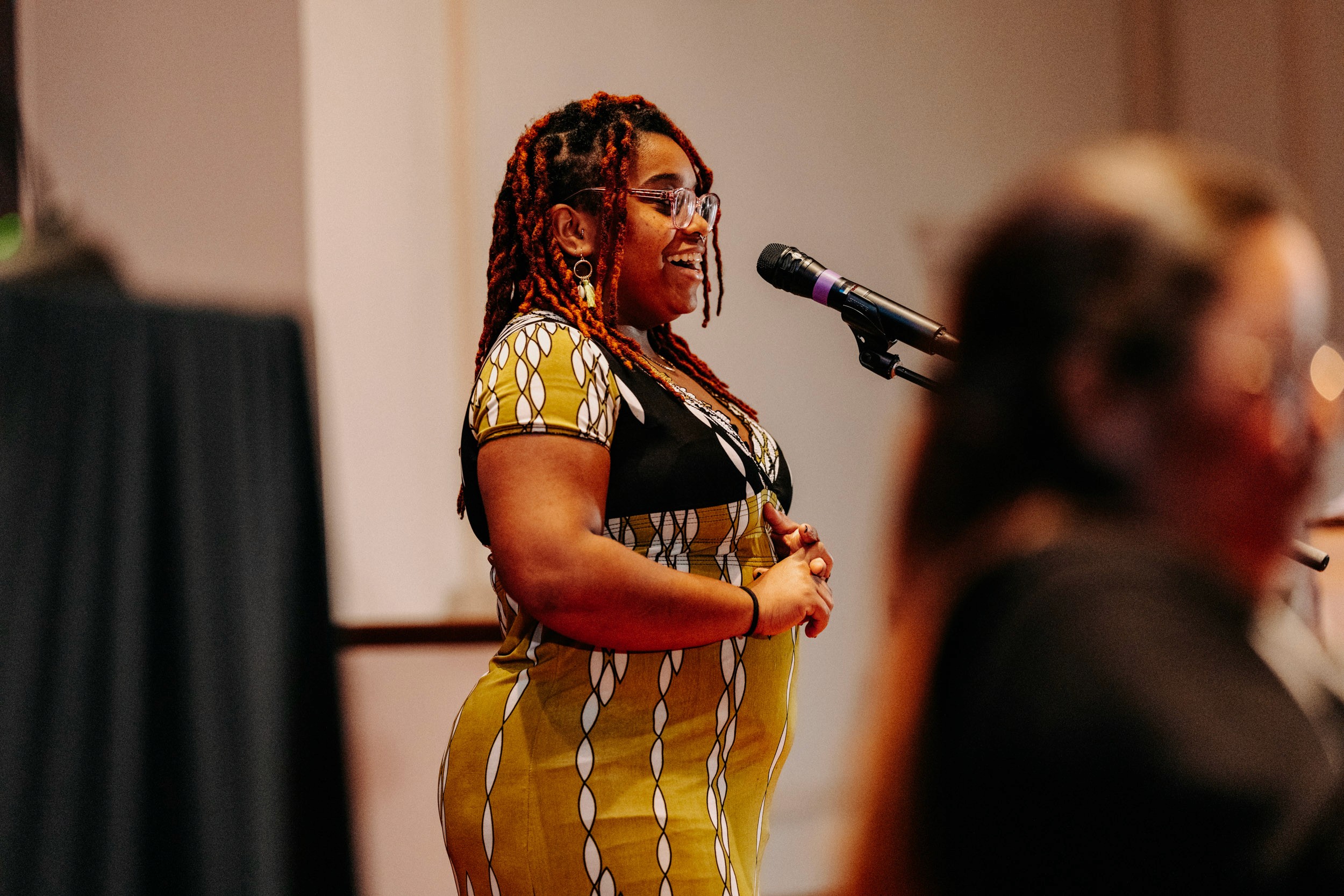
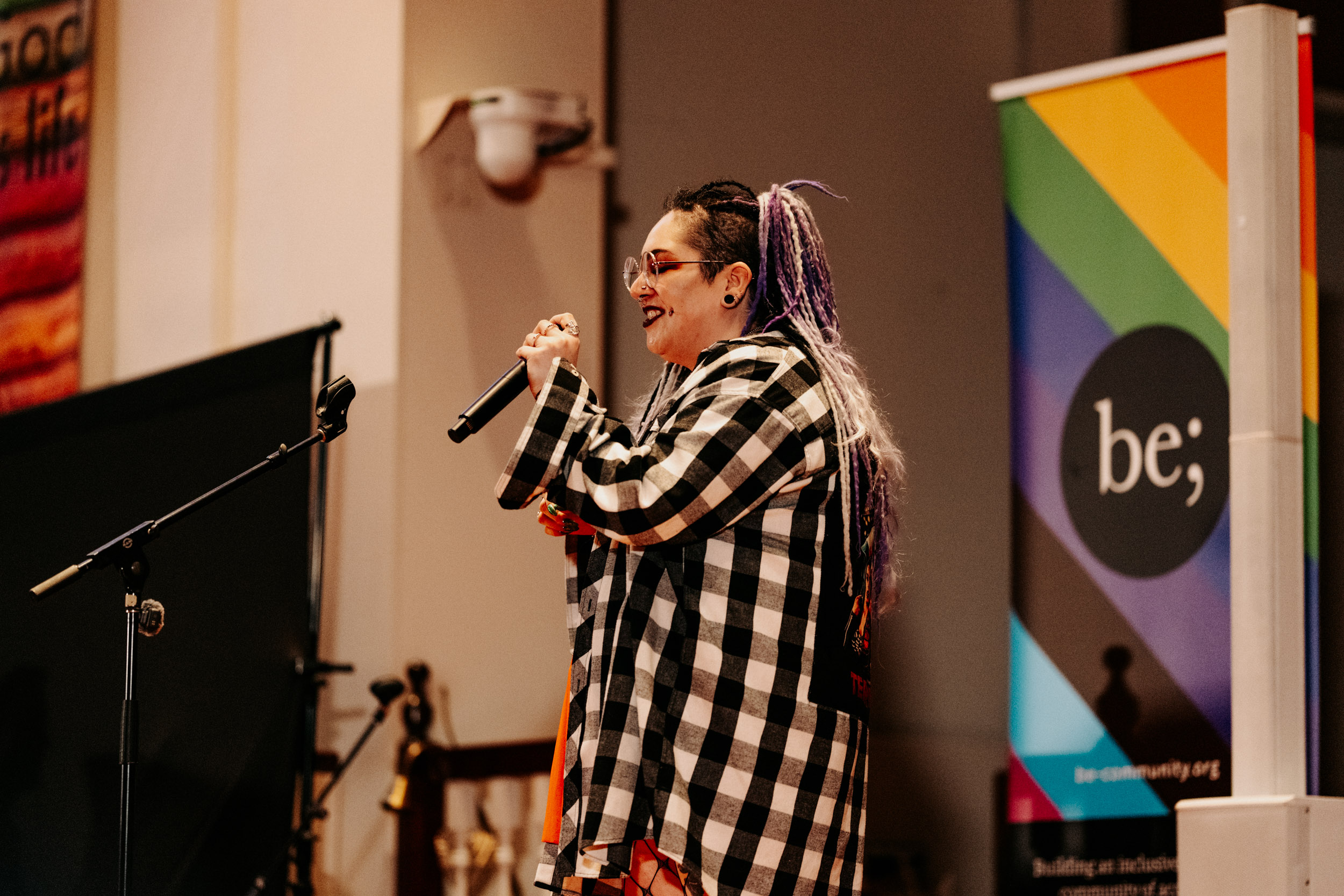
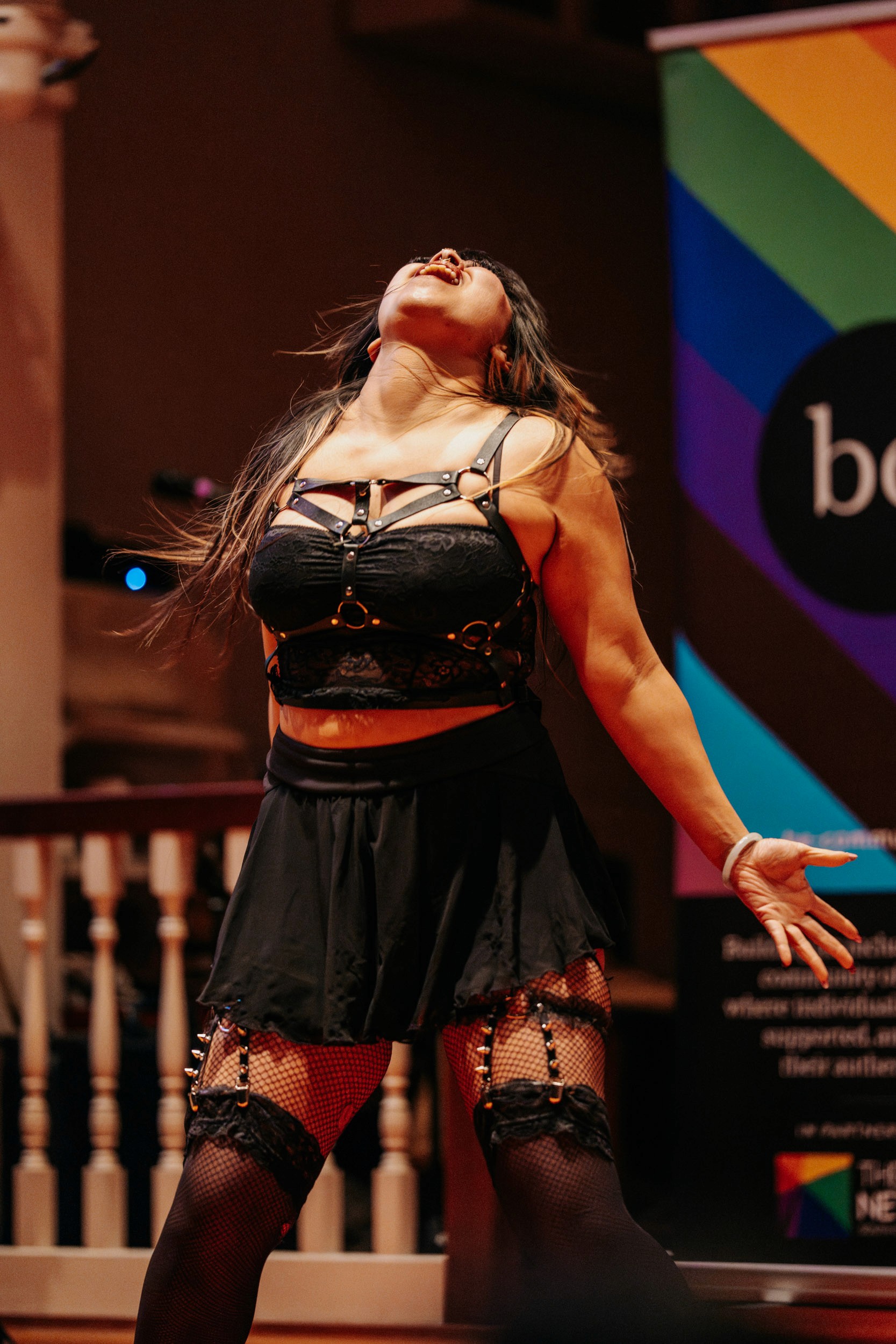
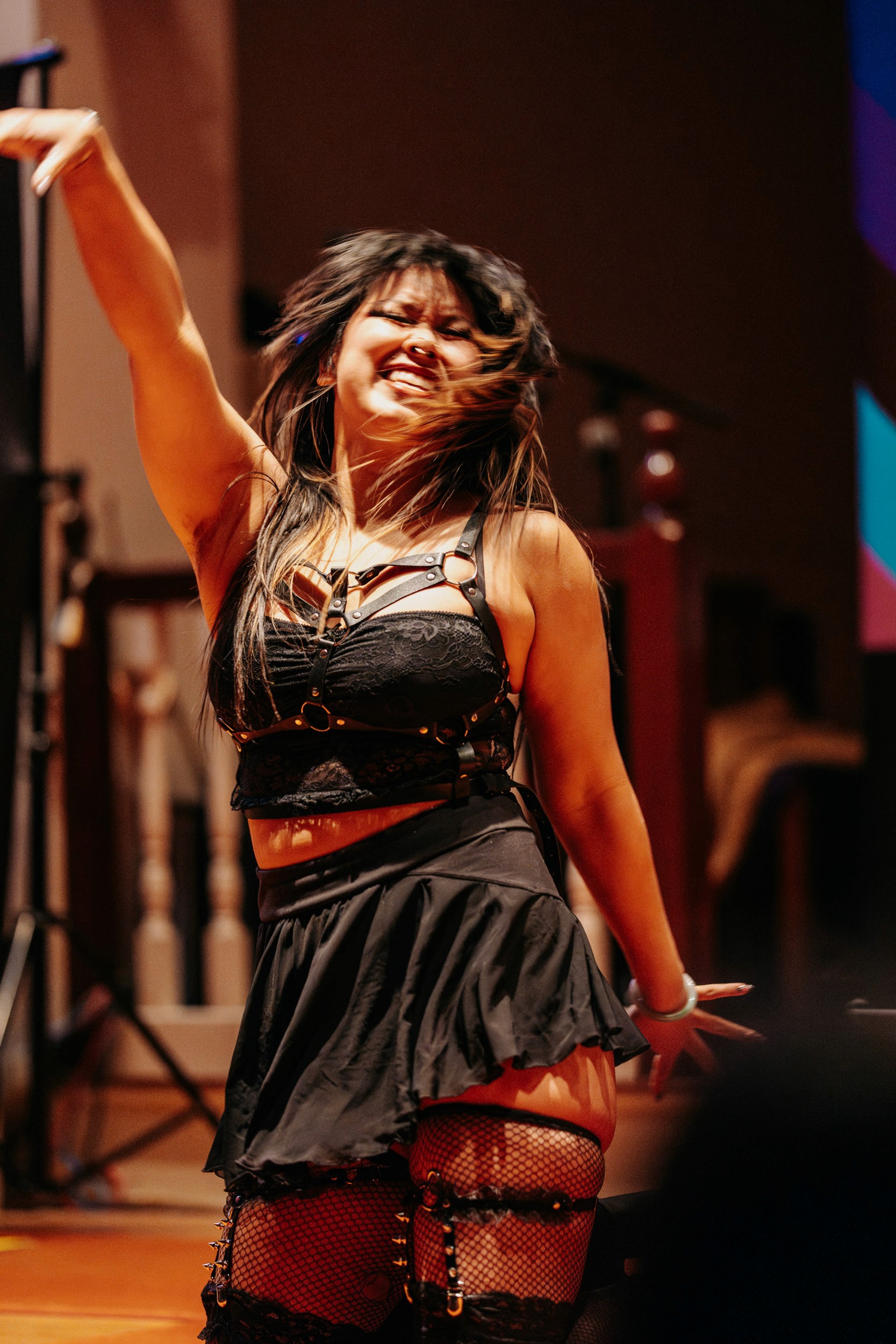
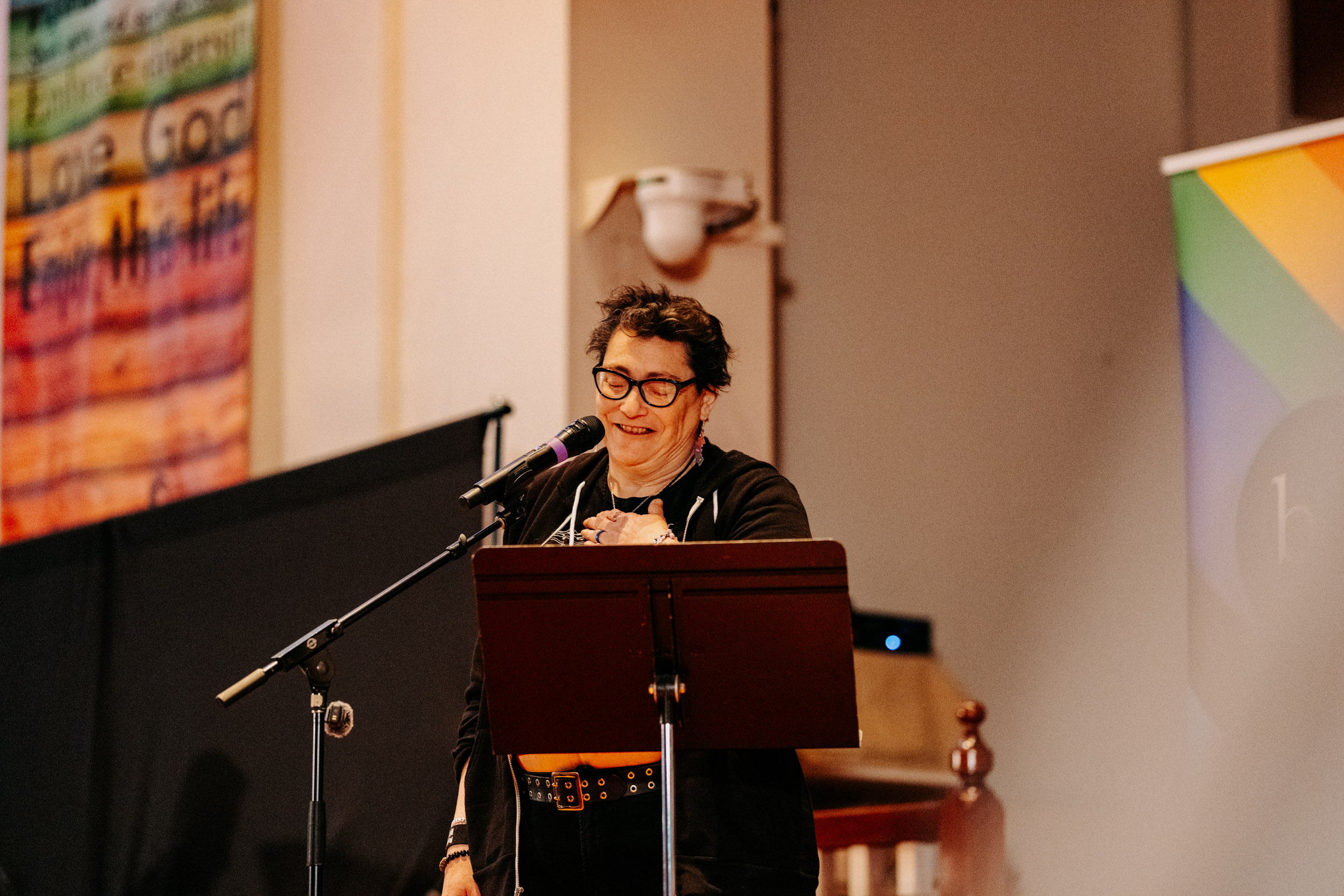
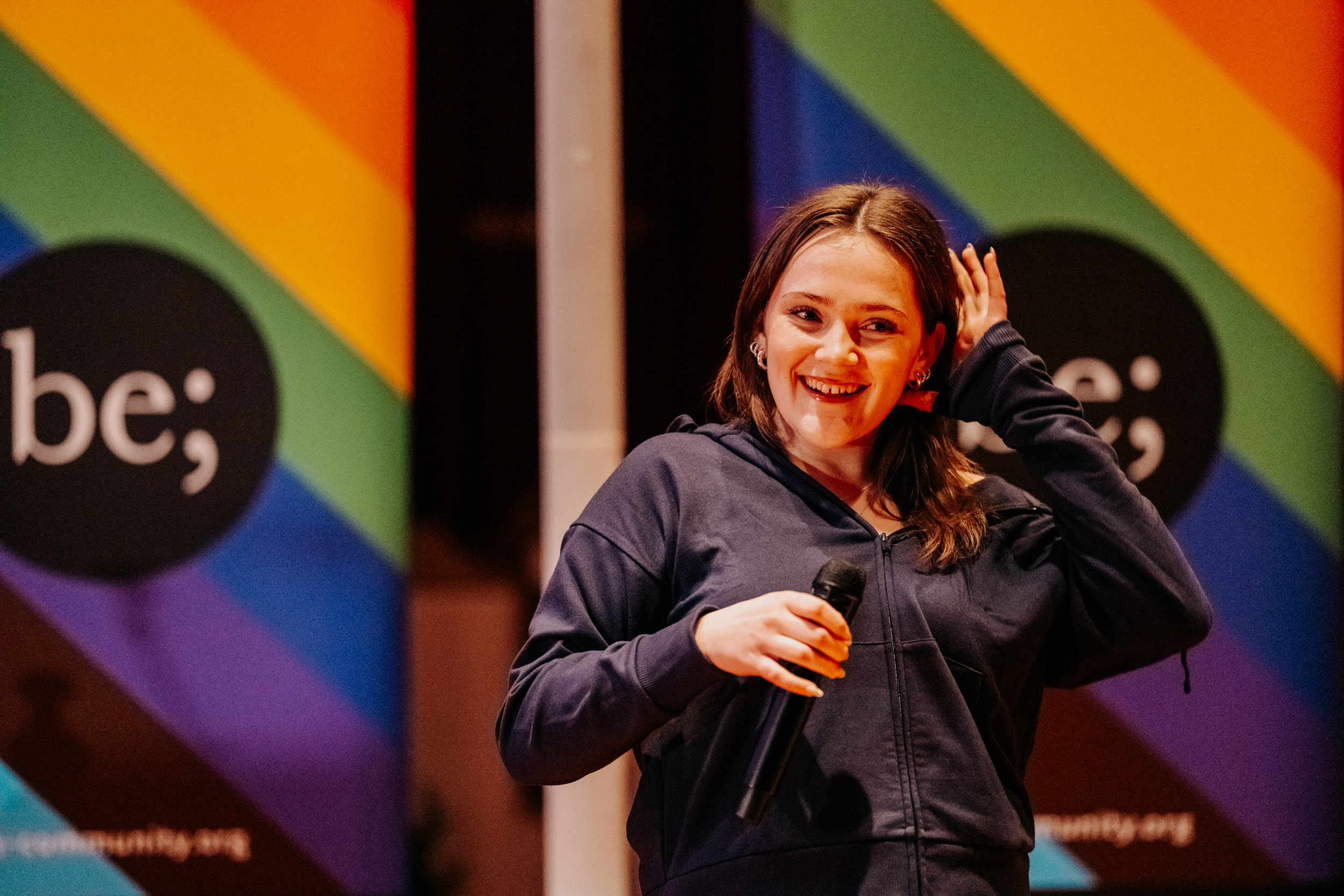
Queer Open Mic at be; on March 14, 2026 was filled with energy from the start. The kind that builds as people gather, settle in, and realize they’re in a space where anything shared will be met with support.
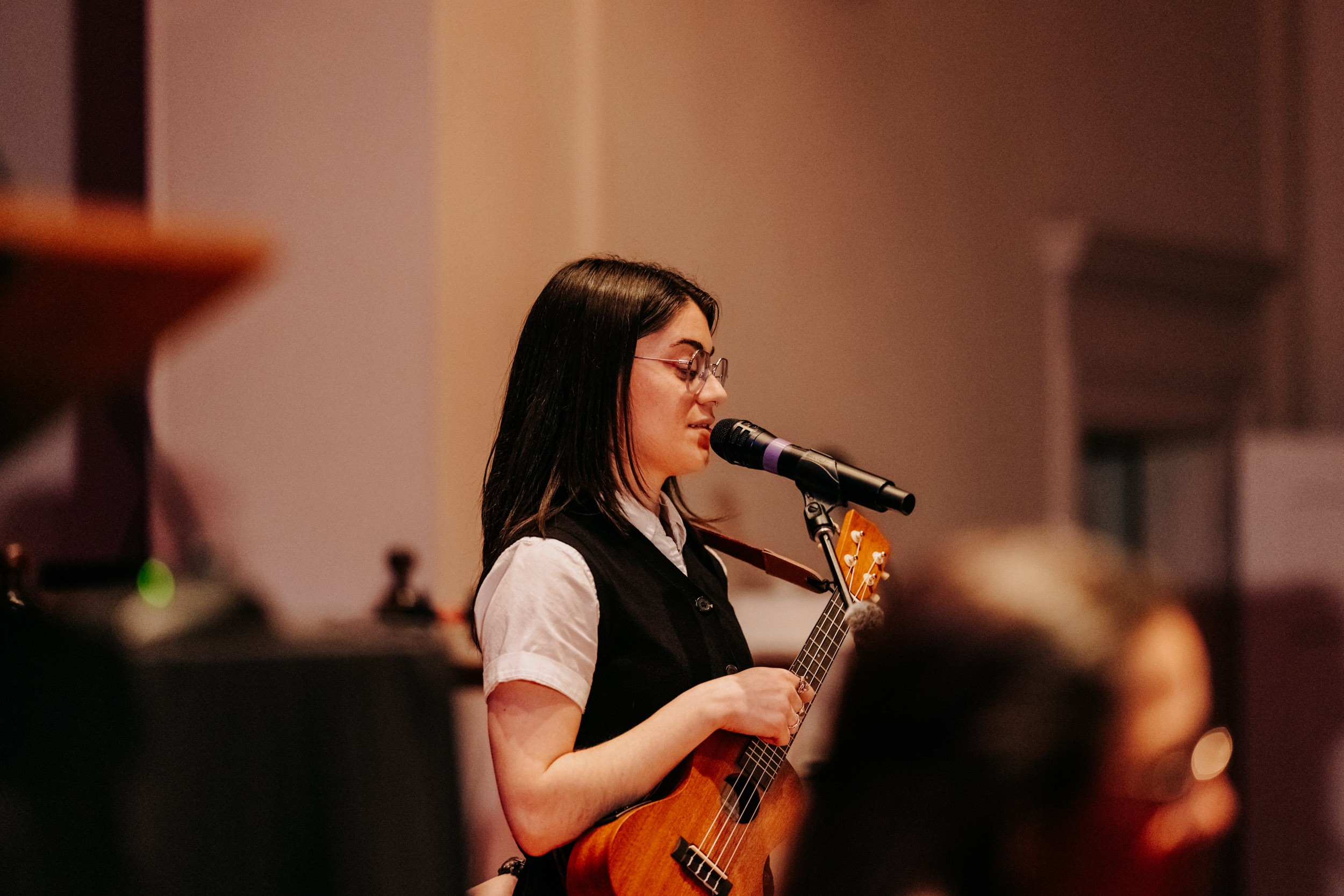
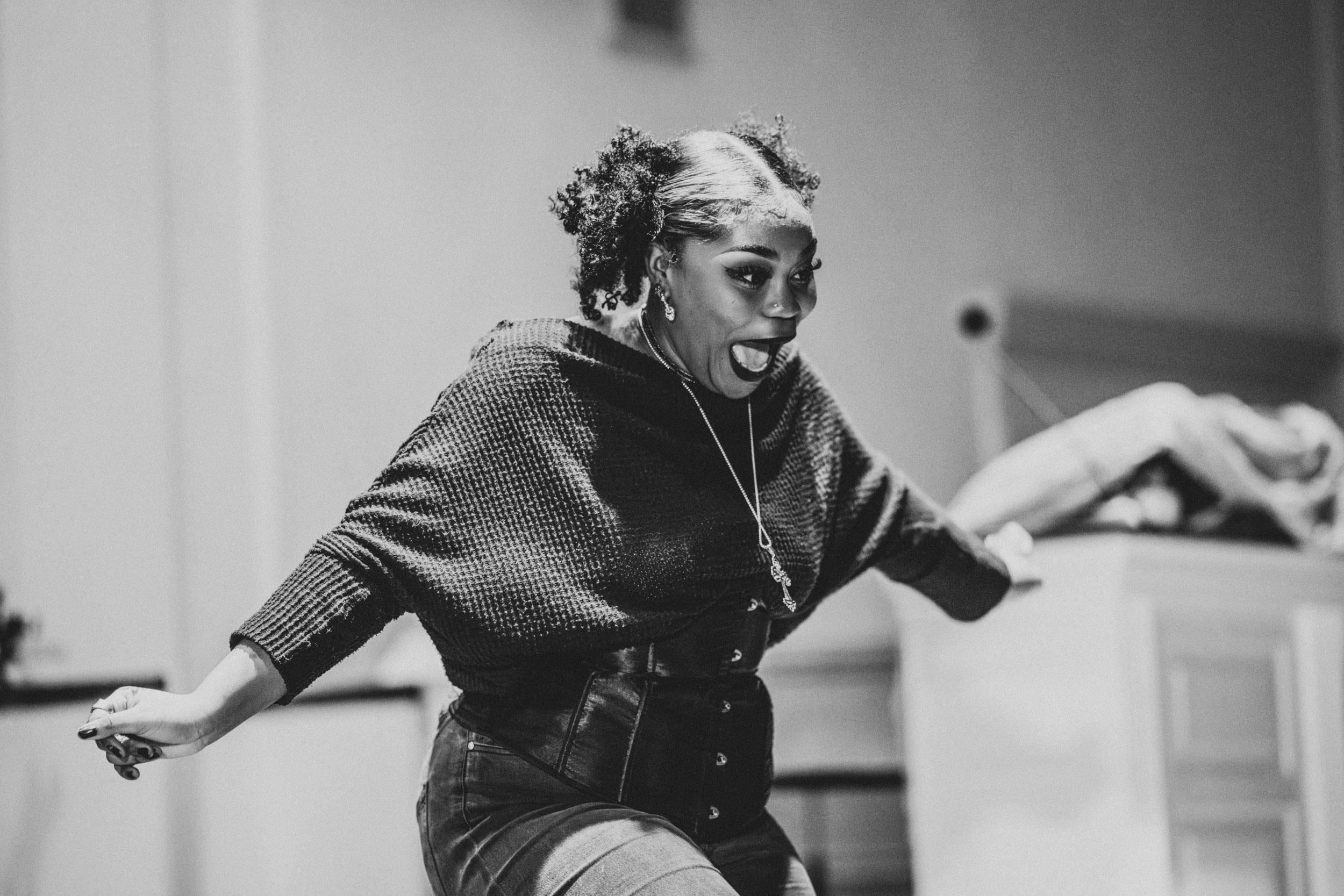
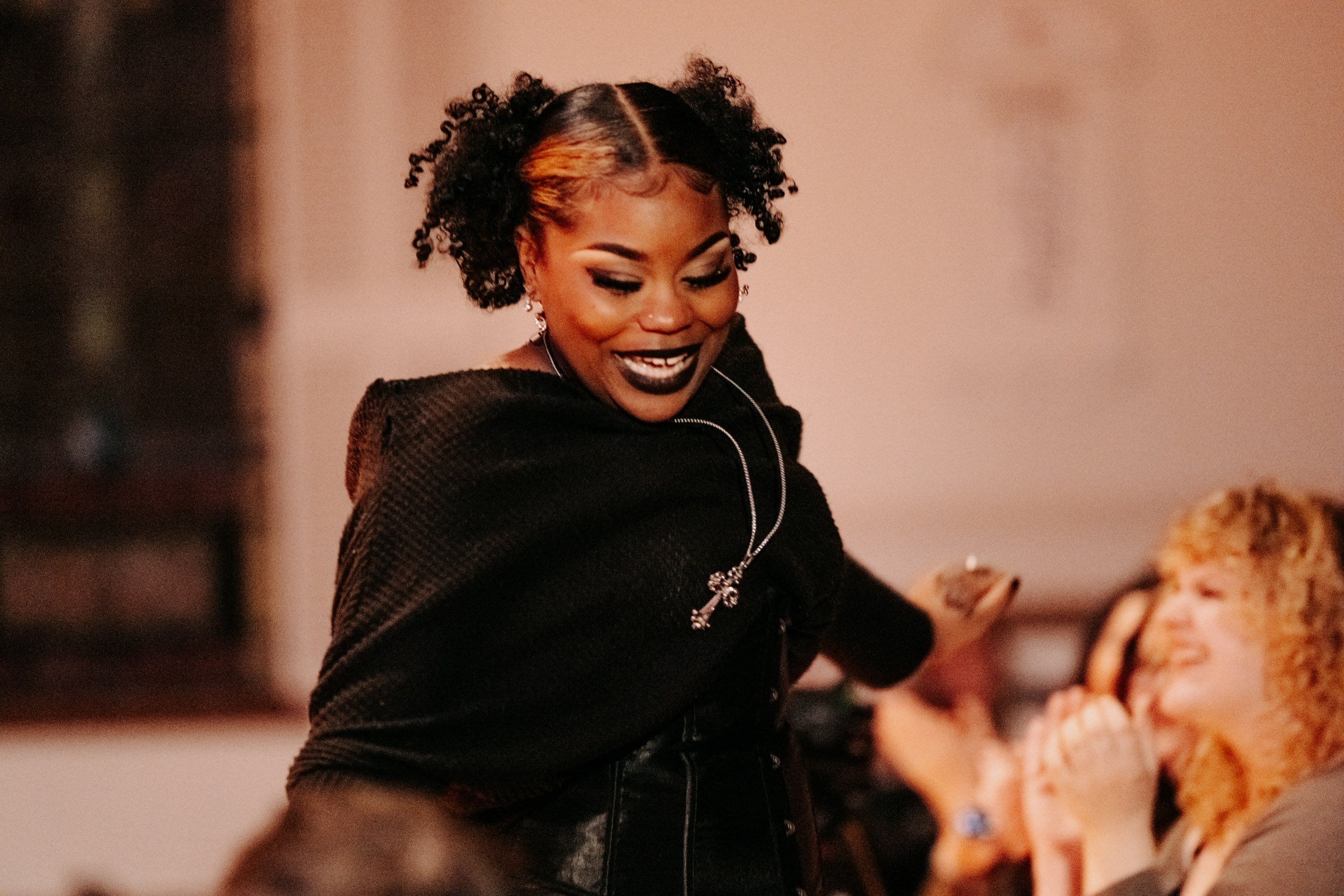
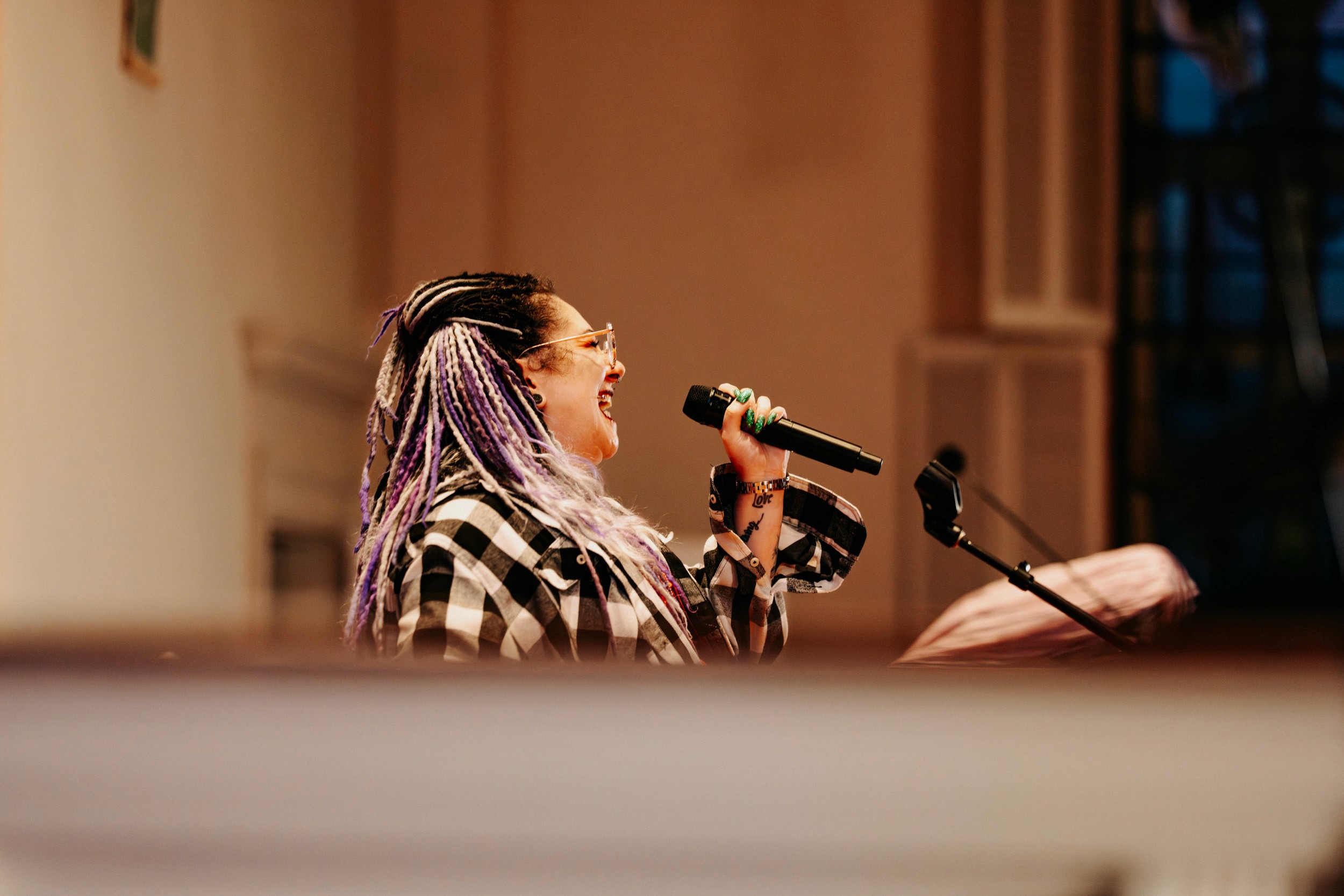
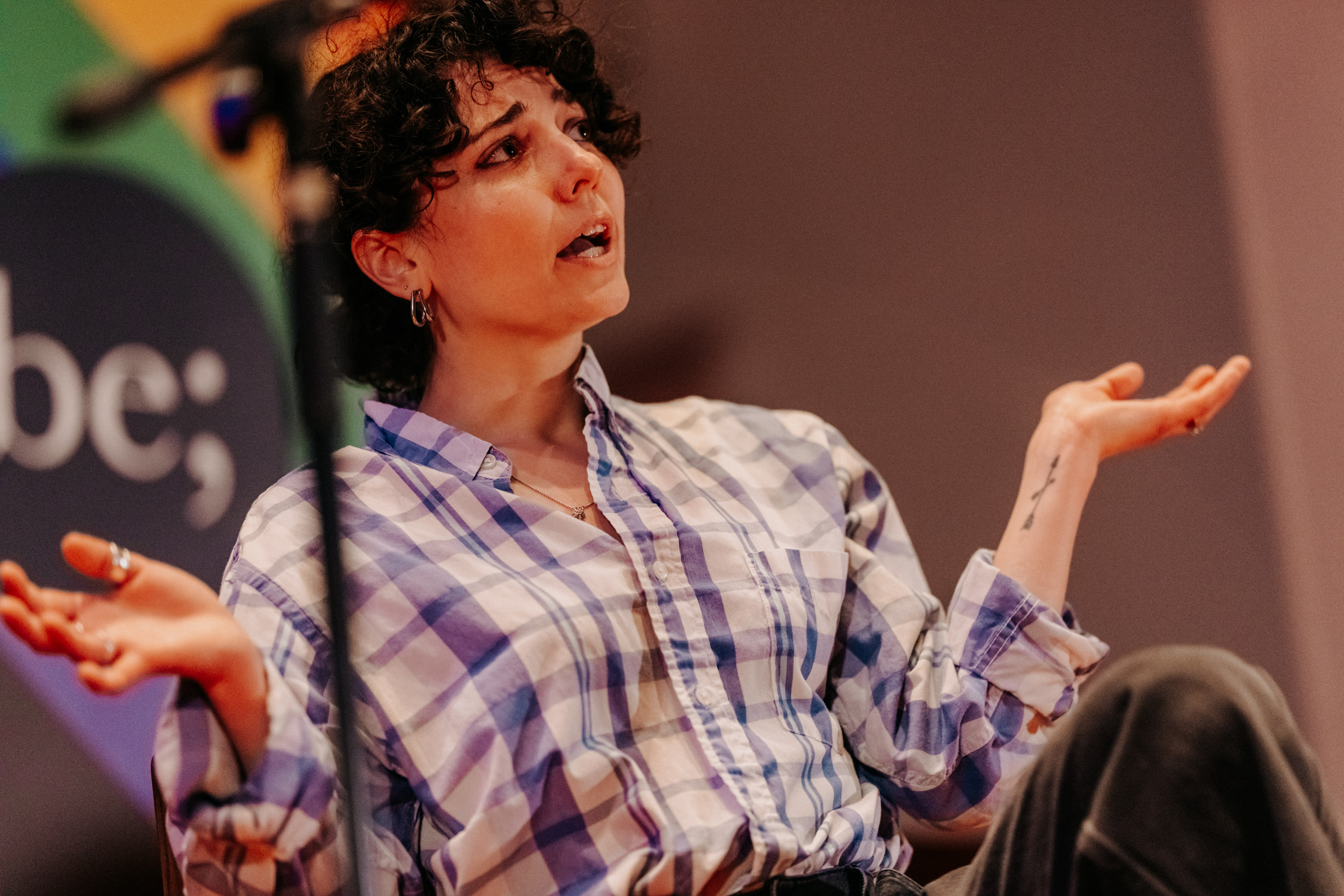
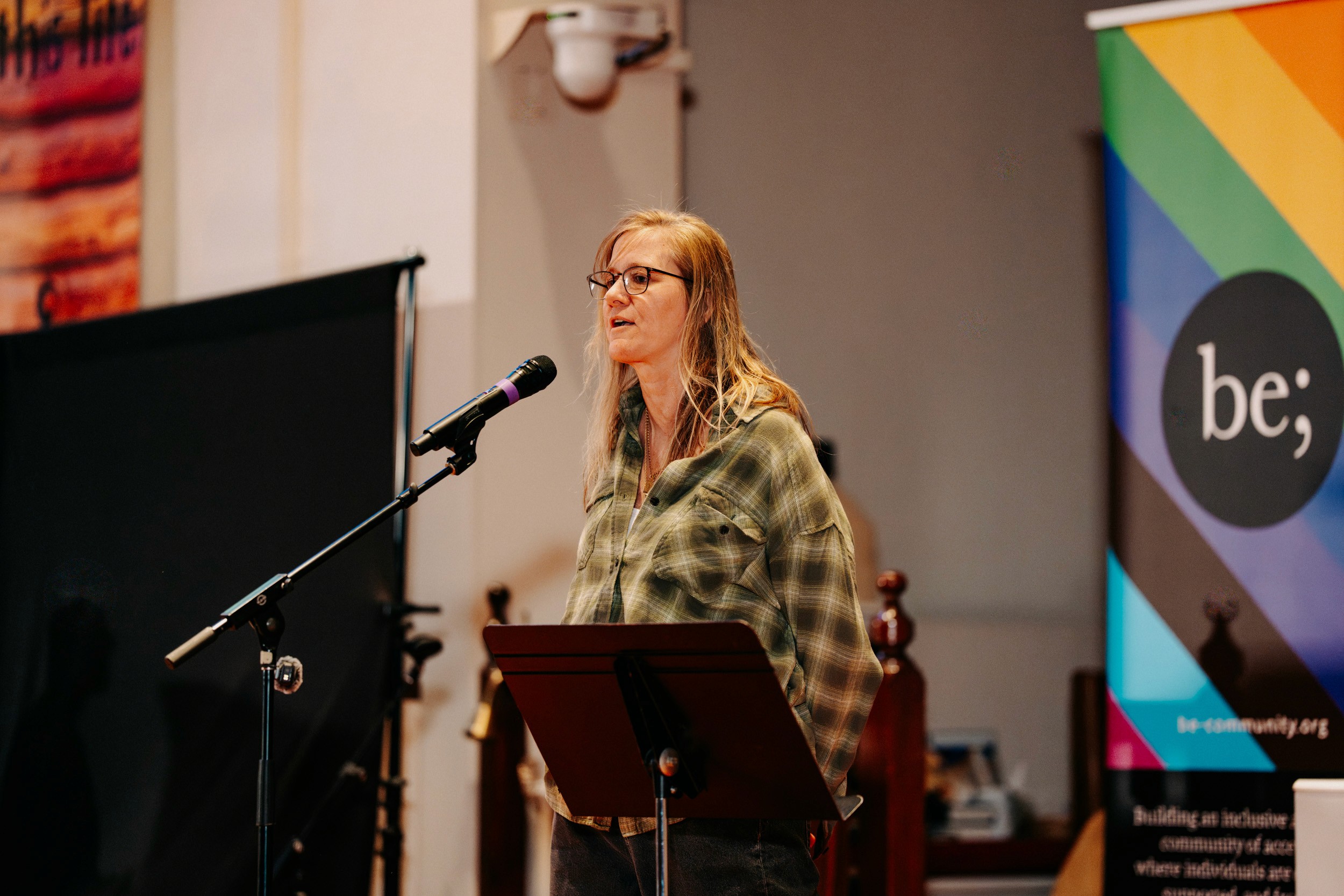
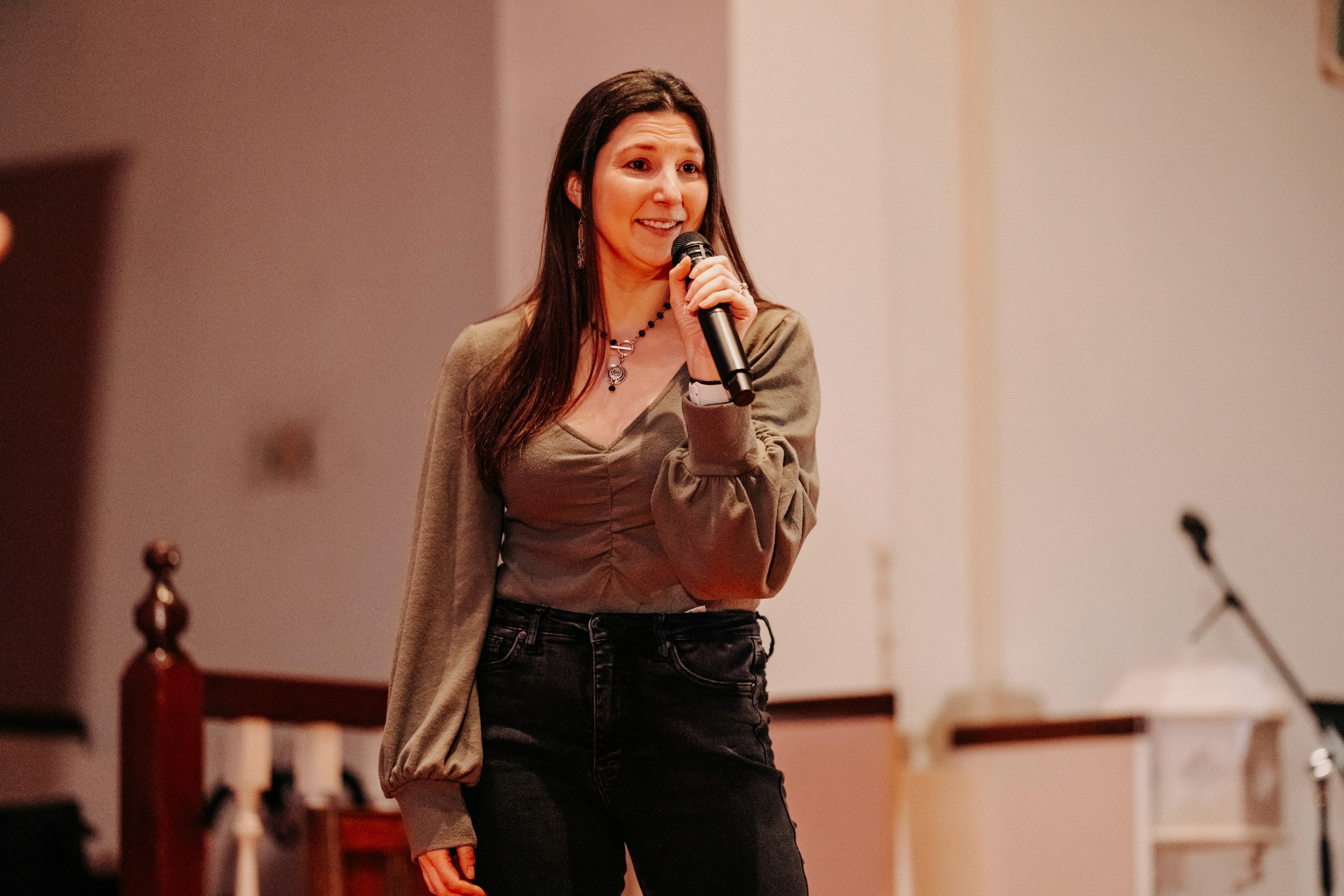
Performers stepped up with music, poetry, and stories that ranged from lighthearted to deeply personal. And no matter what was shared, the response was the same. Applause. Encouragement. A room full of people genuinely excited to witness it.
Because the truth is, putting yourself out there is hard. For most people, the idea of stepping on stage comes with a built-in fear. You picture getting it wrong. Saying the wrong thing. Bombing. Being judged. That old, almost cartoonish fear of being pulled off stage or laughed out of the room still lives somewhere in all of us.
QOM flips that entirely.
It’s a space built by and for people who already know what it feels like to be seen, misunderstood, or judged just for being themselves. And because of that, the audience becomes something rare. Generous. Present. Rooting for you before you even begin.
That creates something powerful. Not just a place to perform, but a place to try. To share something new. To say something out loud for the first time. To get comfortable with your craft in front of people who want you to succeed.
QOM has become that kind of space. One where expression isn’t judged, it’s welcomed. Where showing up is enough. Where passion matters more than polish. And where that passion spreads, person to person, performance to performance, until the whole room feels it.
It’s not about being the best one in the room.
It’s about having the courage to step into it.
This event was made possible through support from the Massachusetts Cultural Council and the Creative Experiences Grant, helping create space for artists and community members to share their work freely and be met with something real in return.
You're going to want to see this
be; knows how to put on a show. Watch it and thank me later.
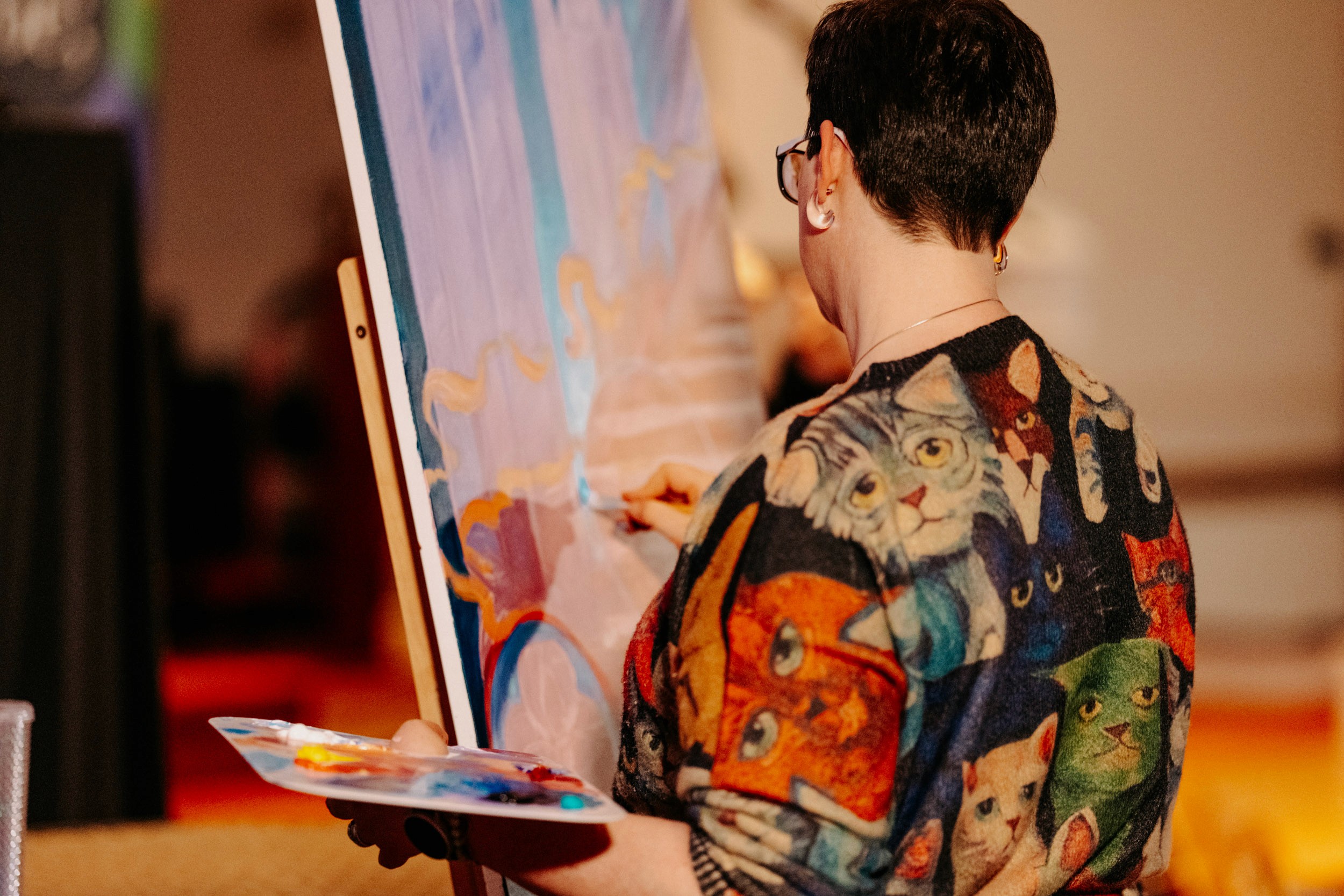
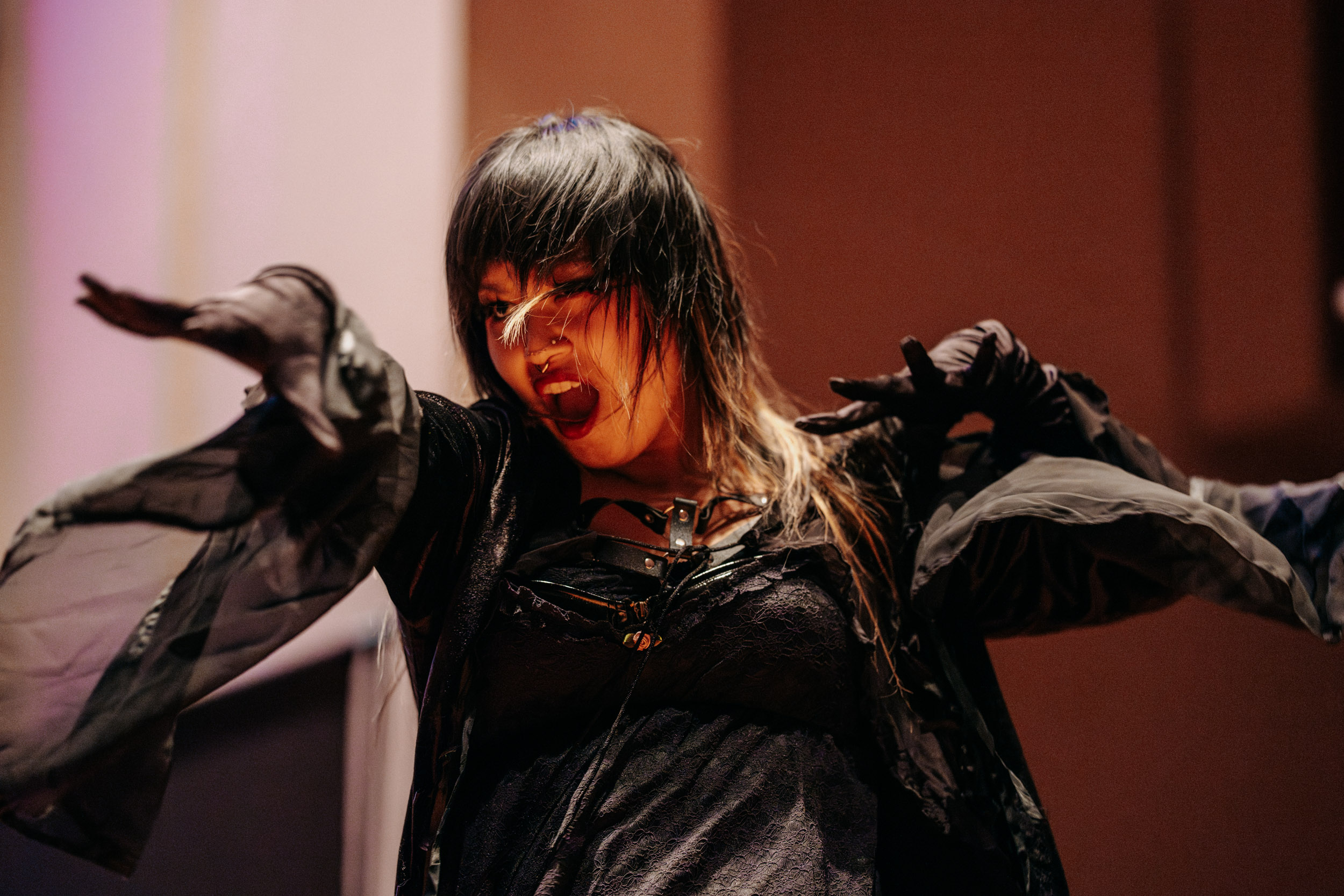
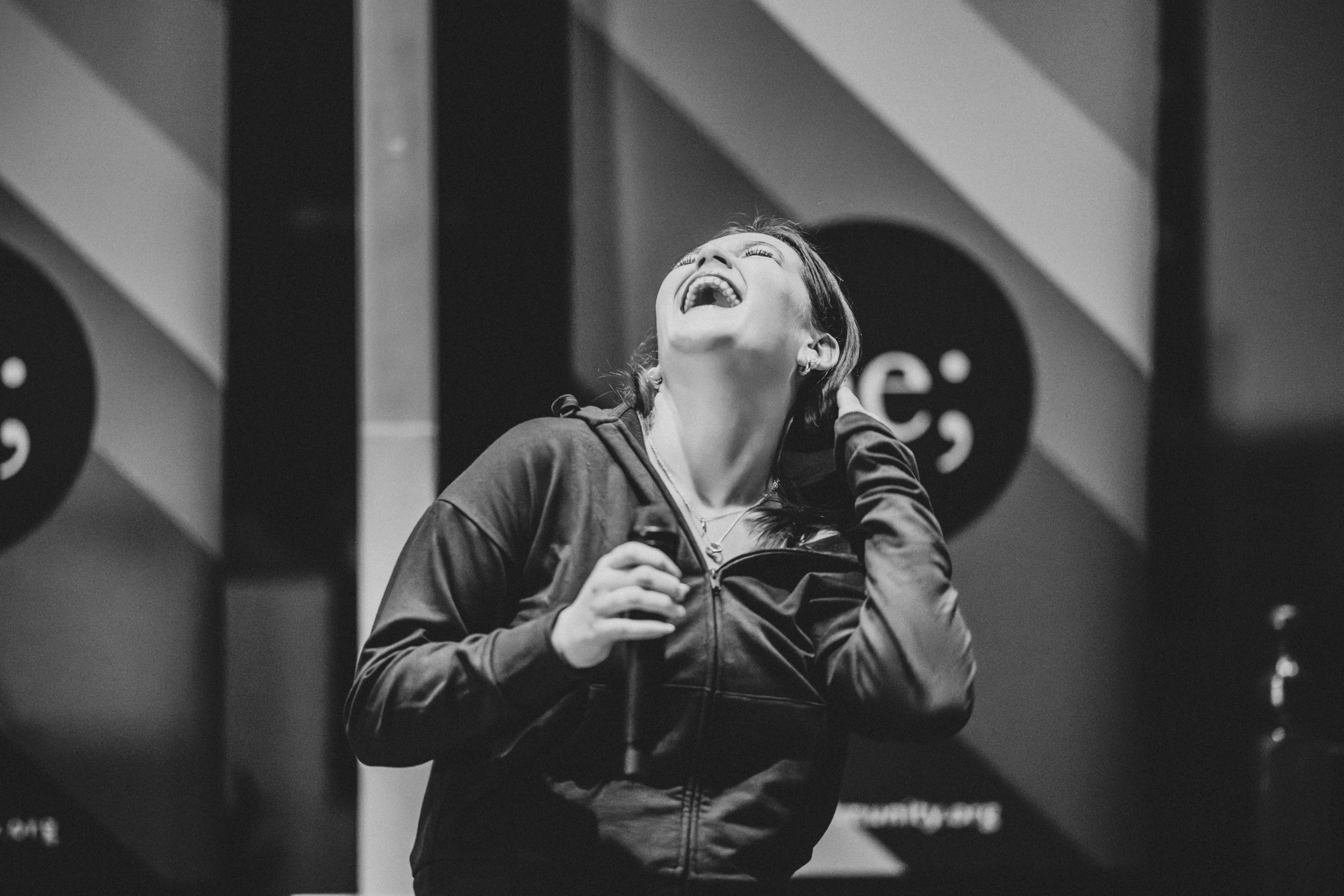
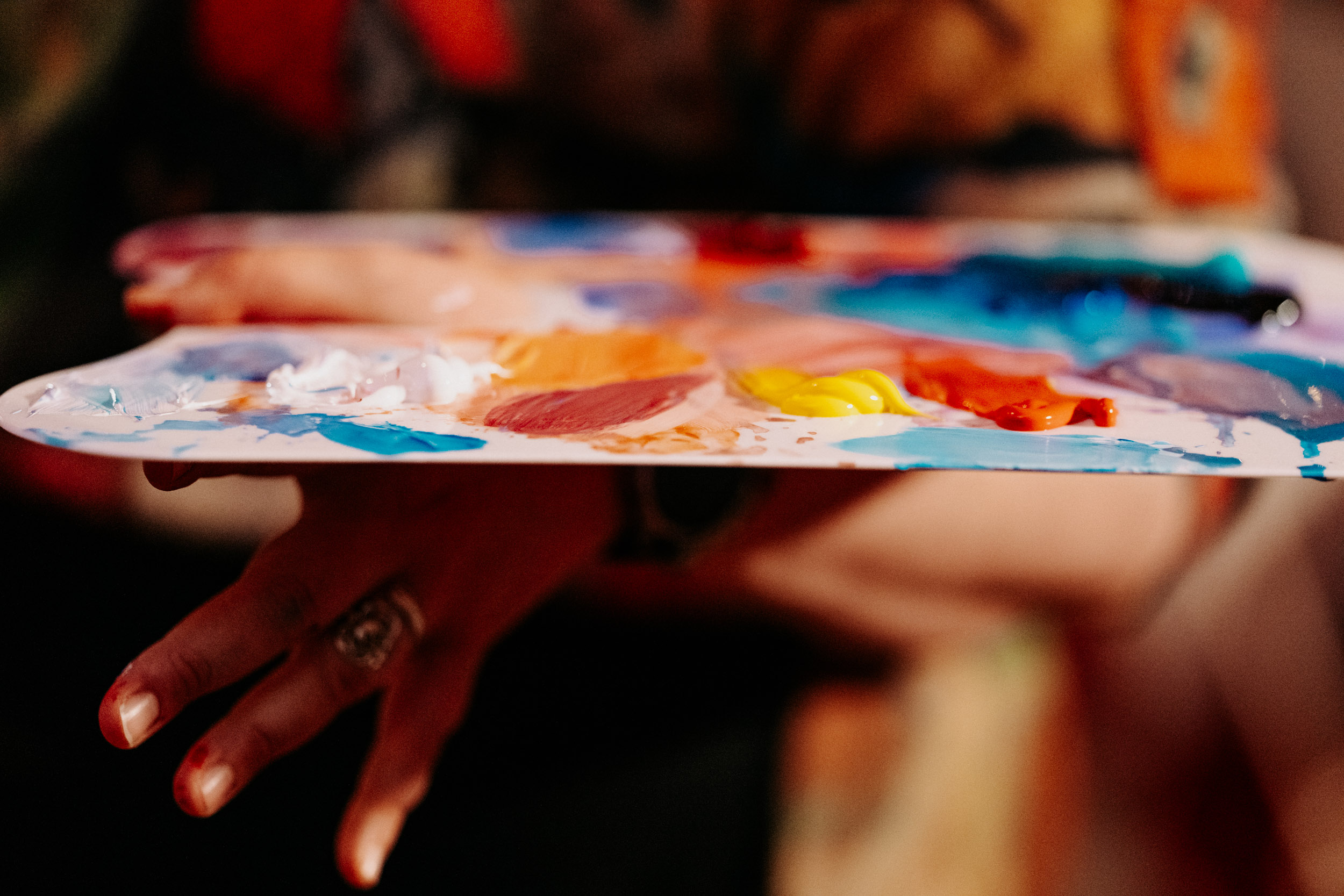
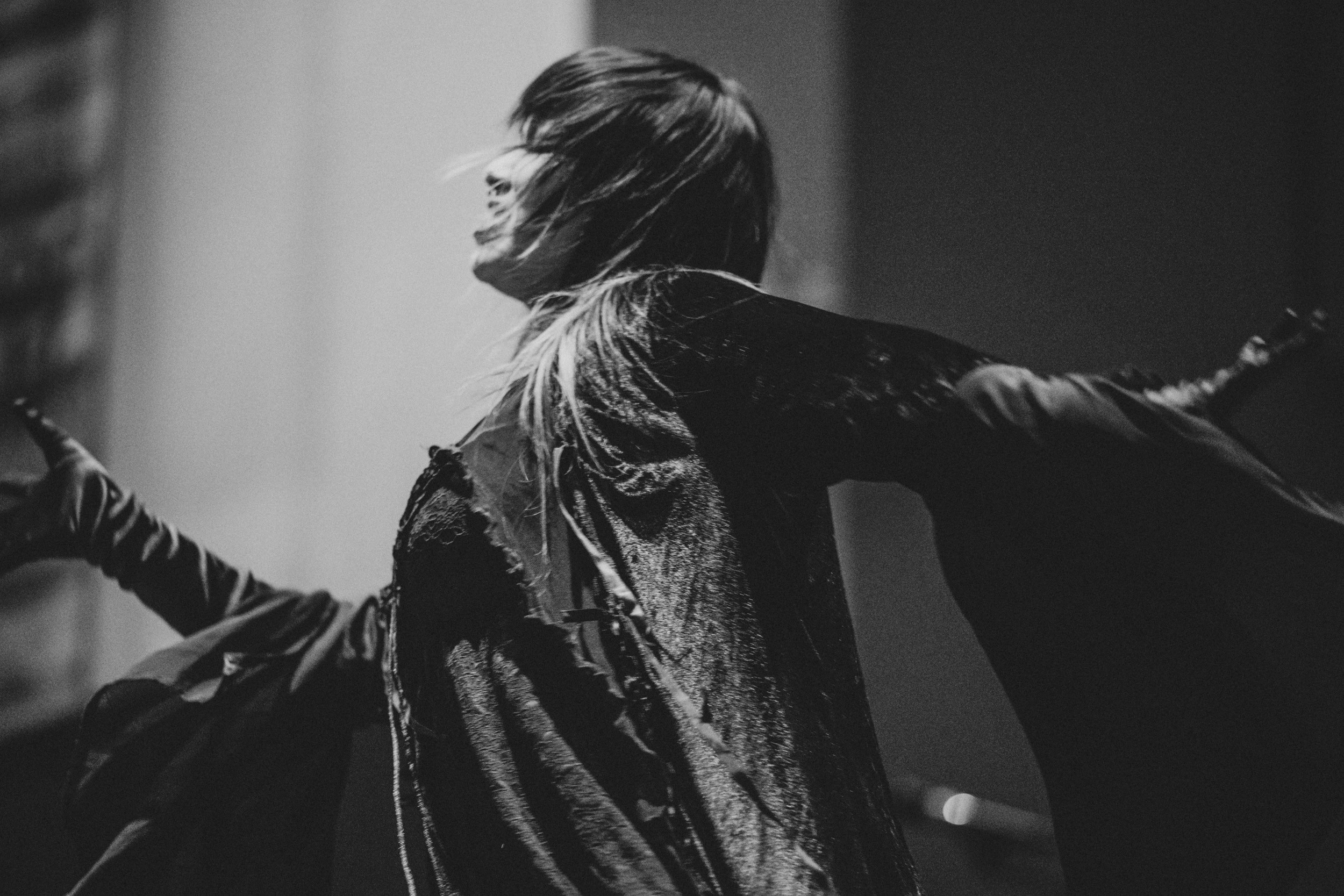
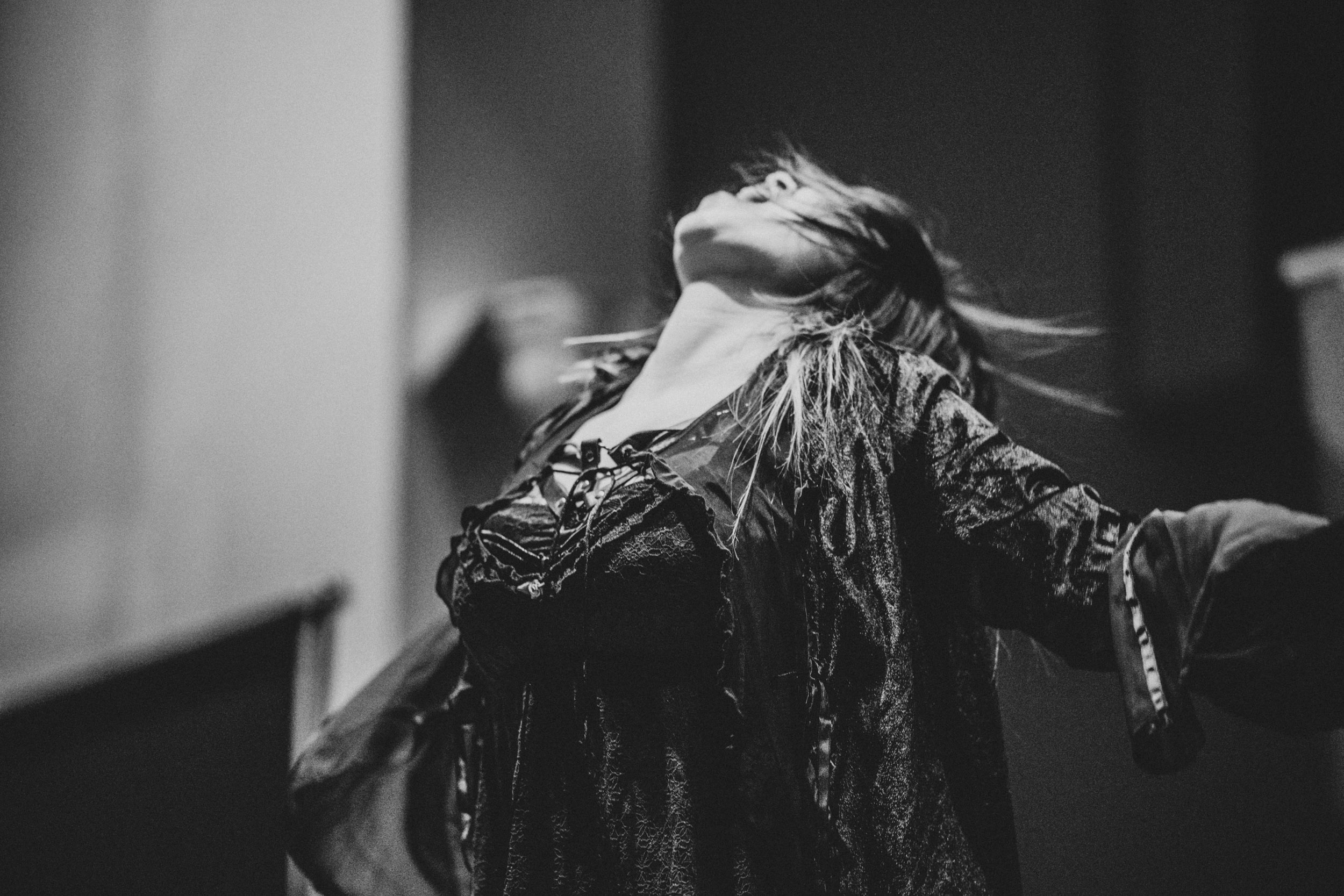
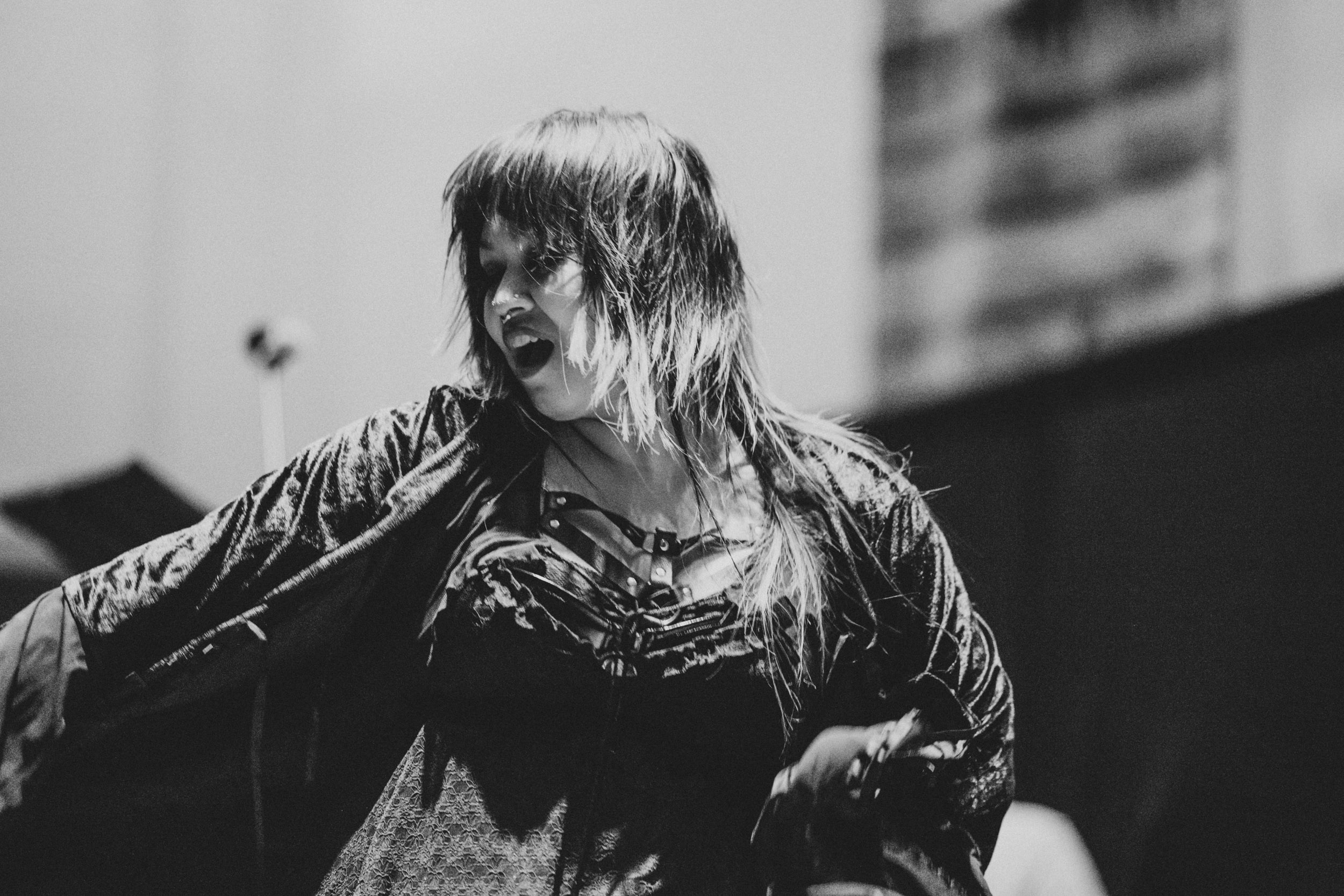
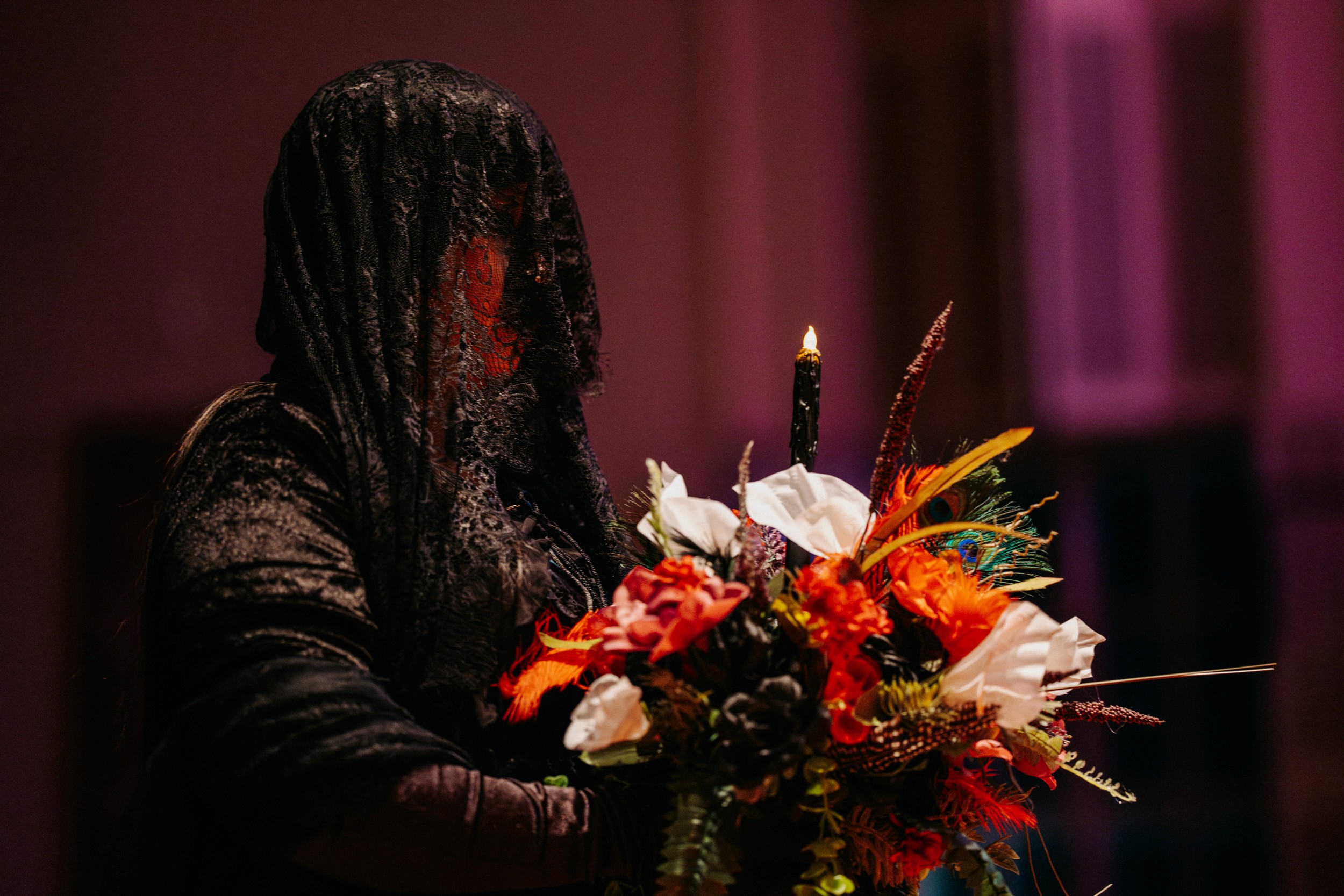
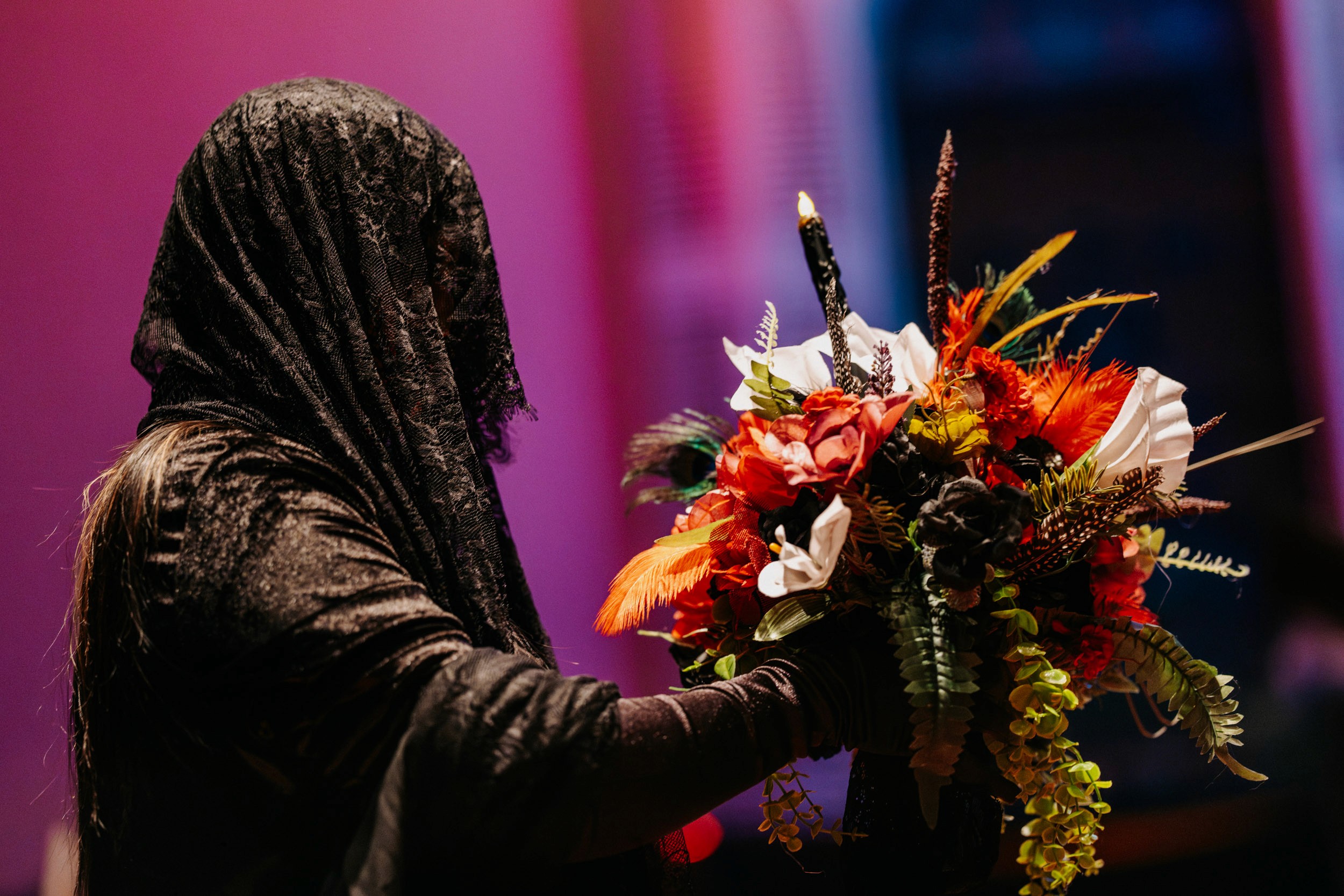
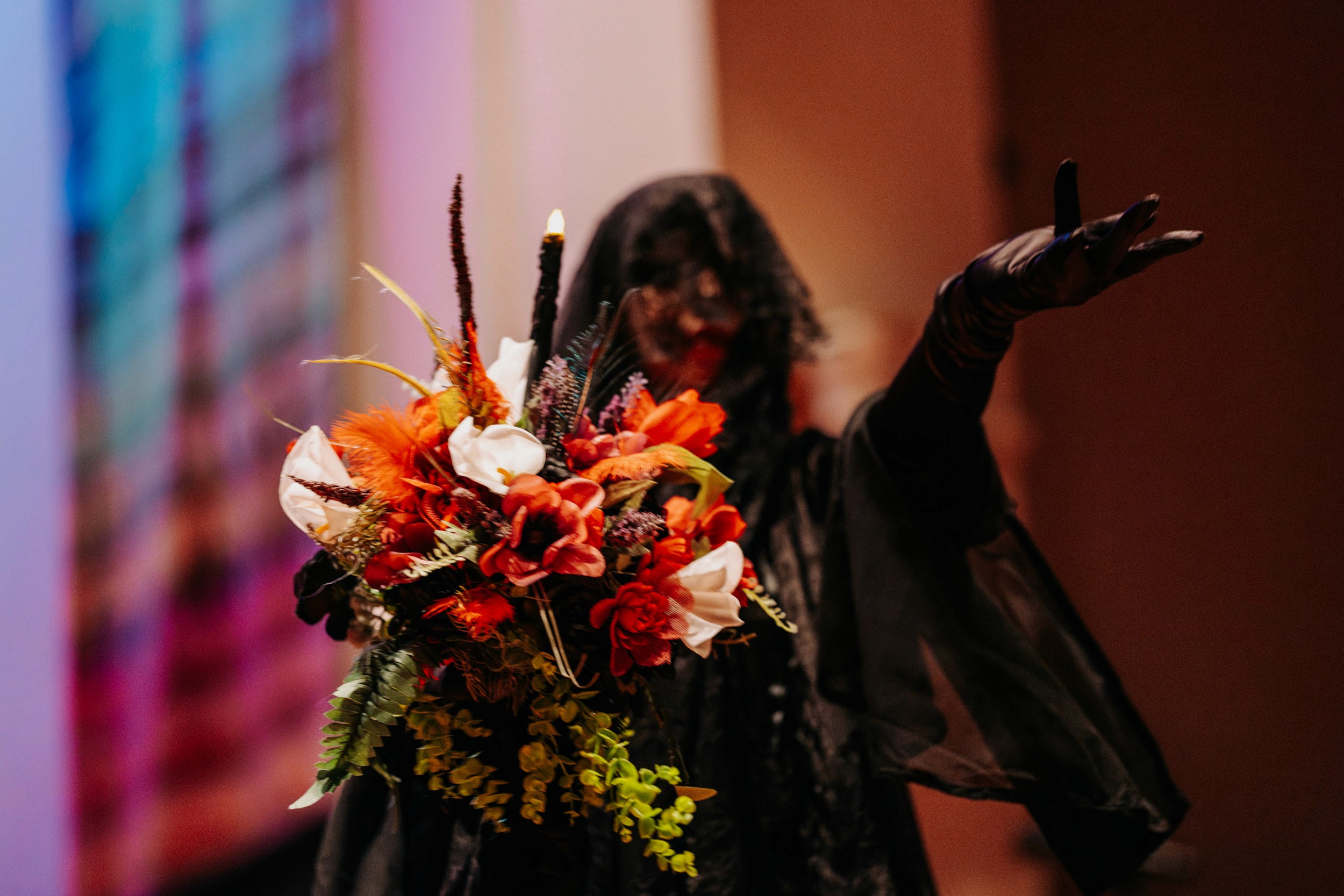
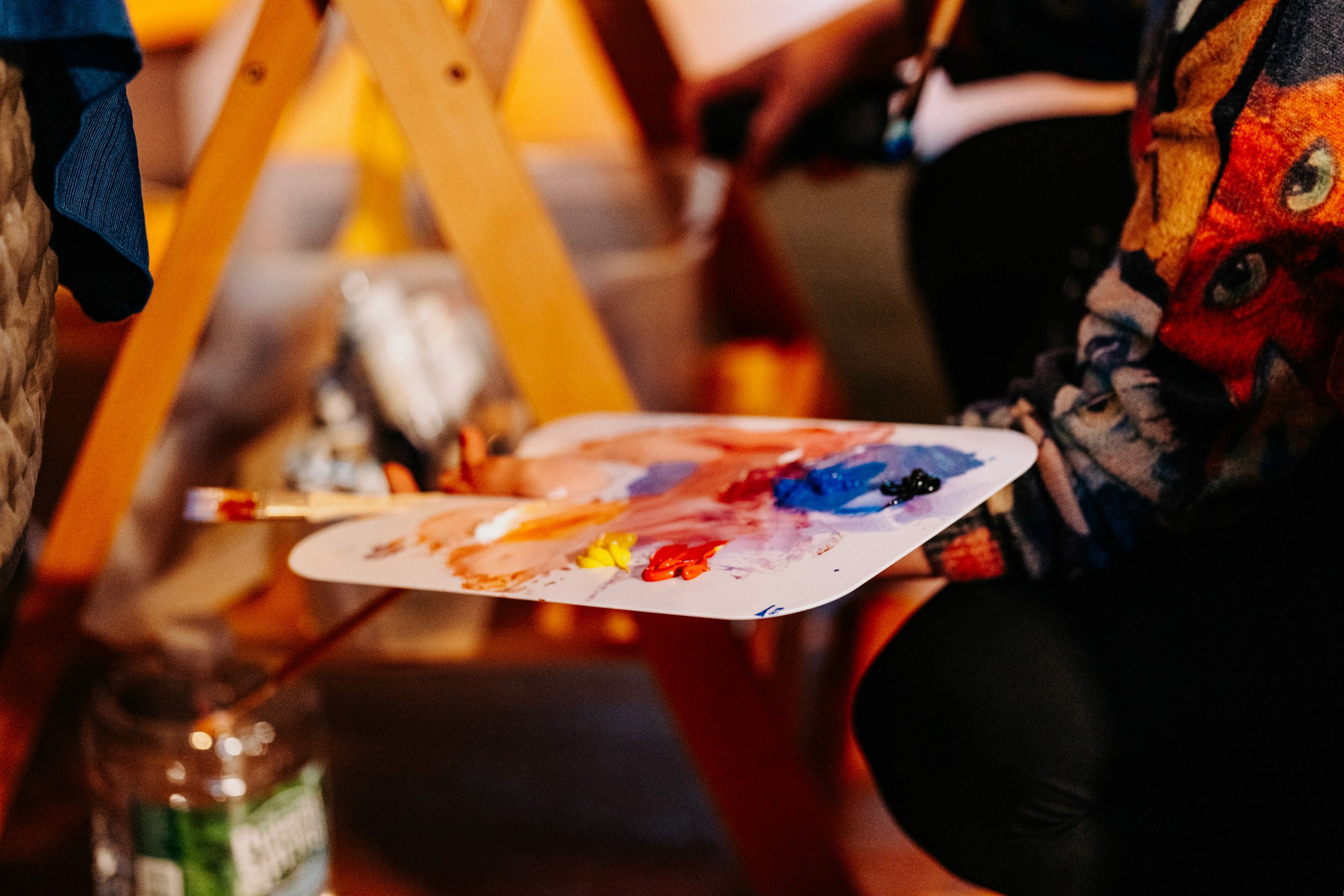
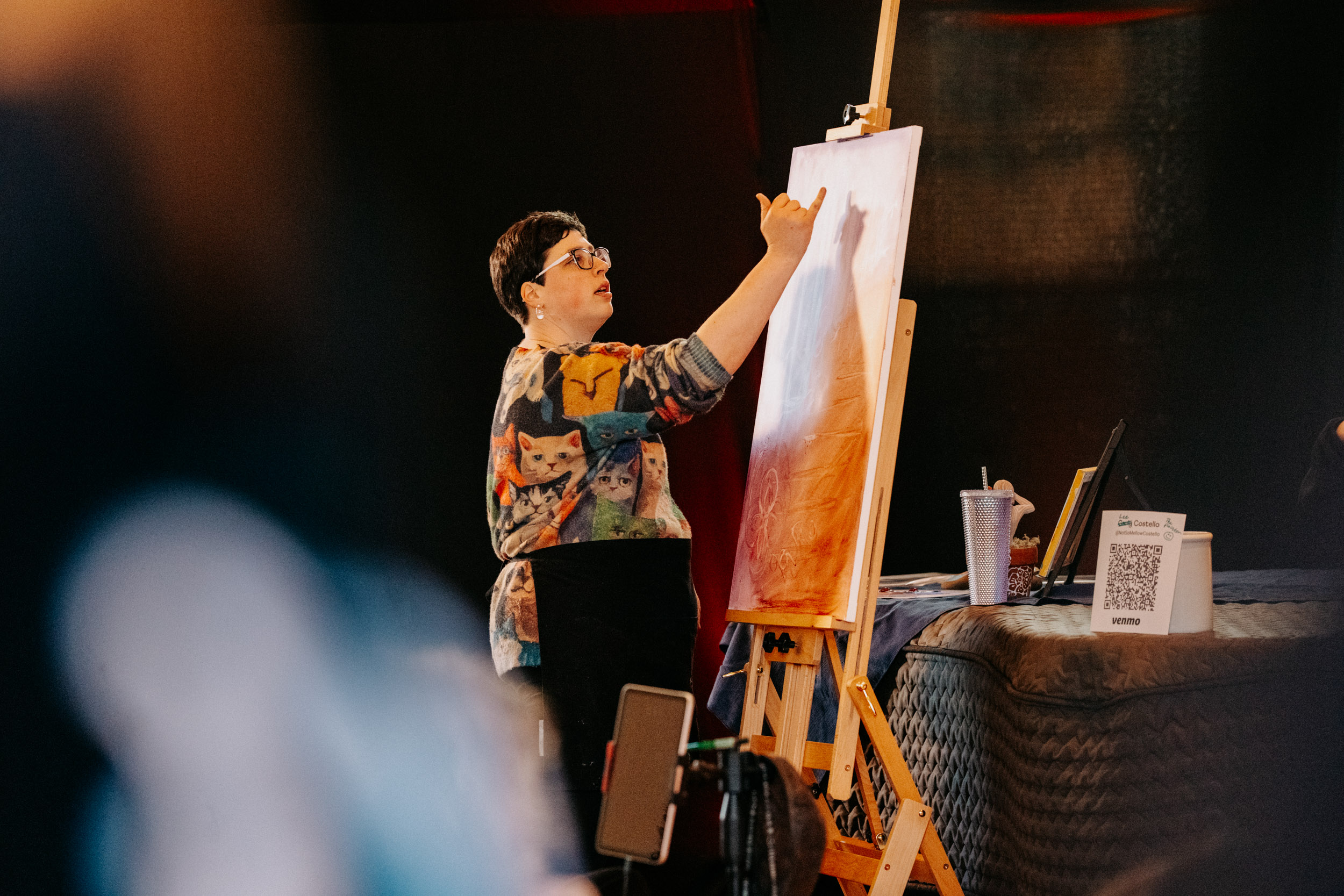
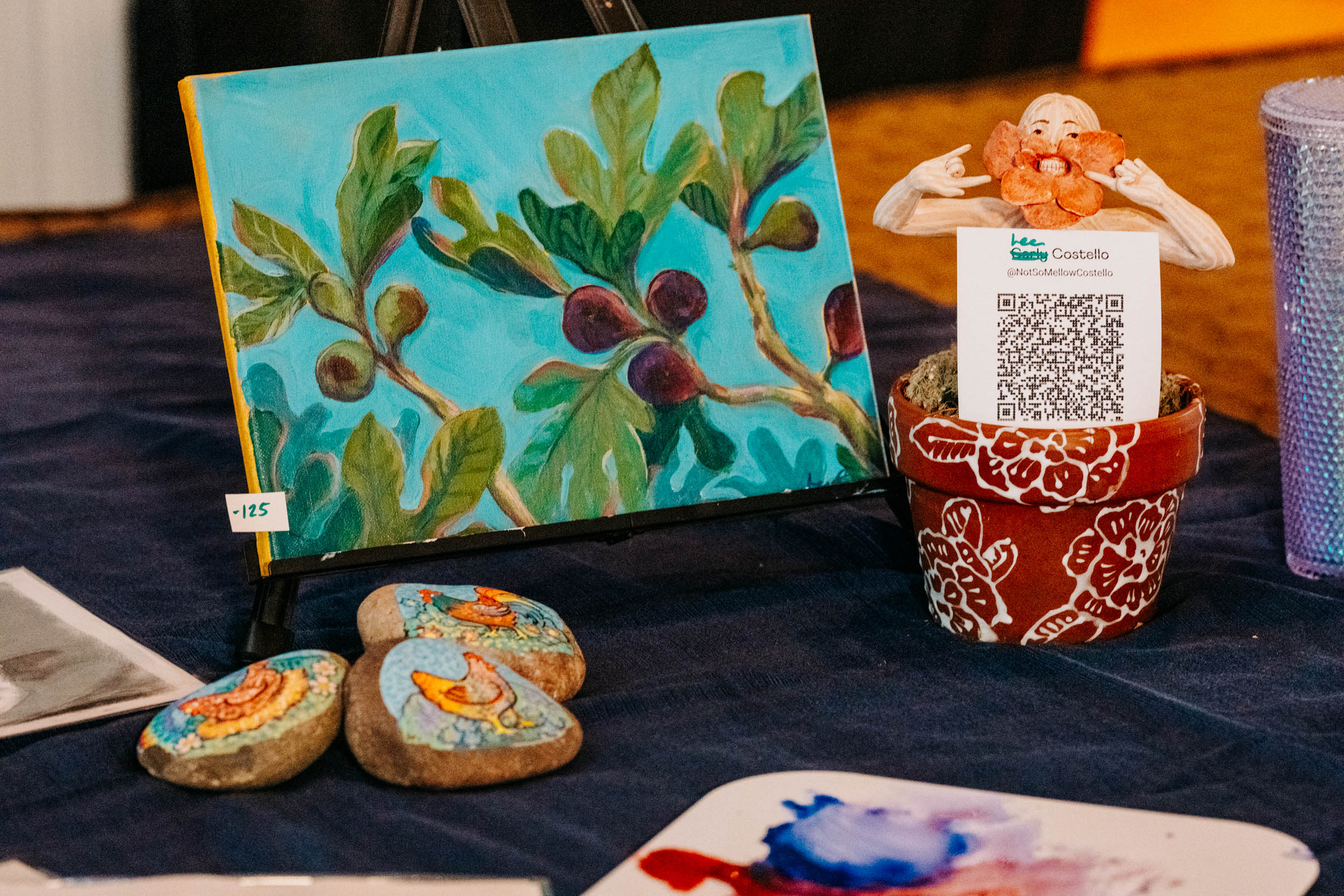
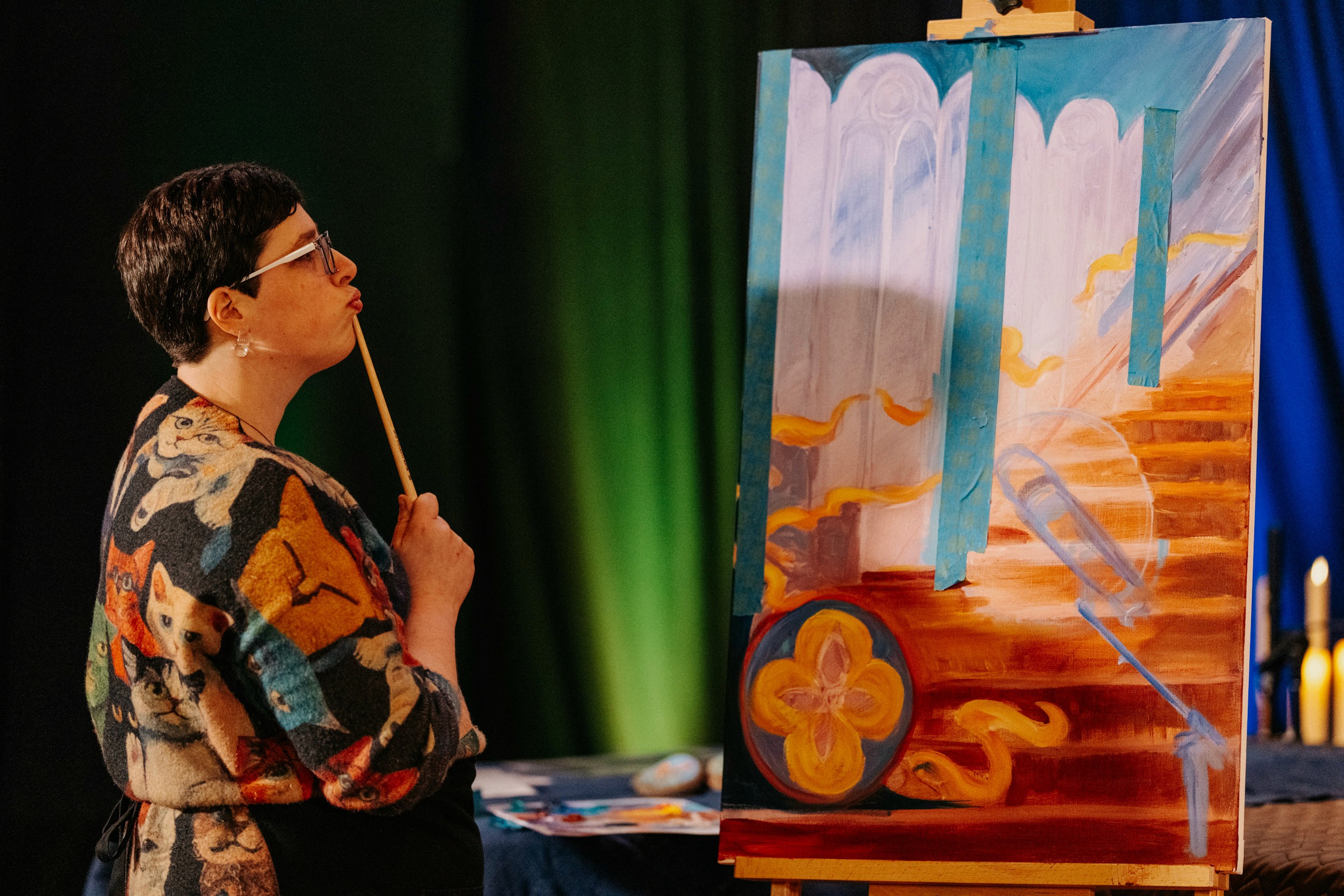
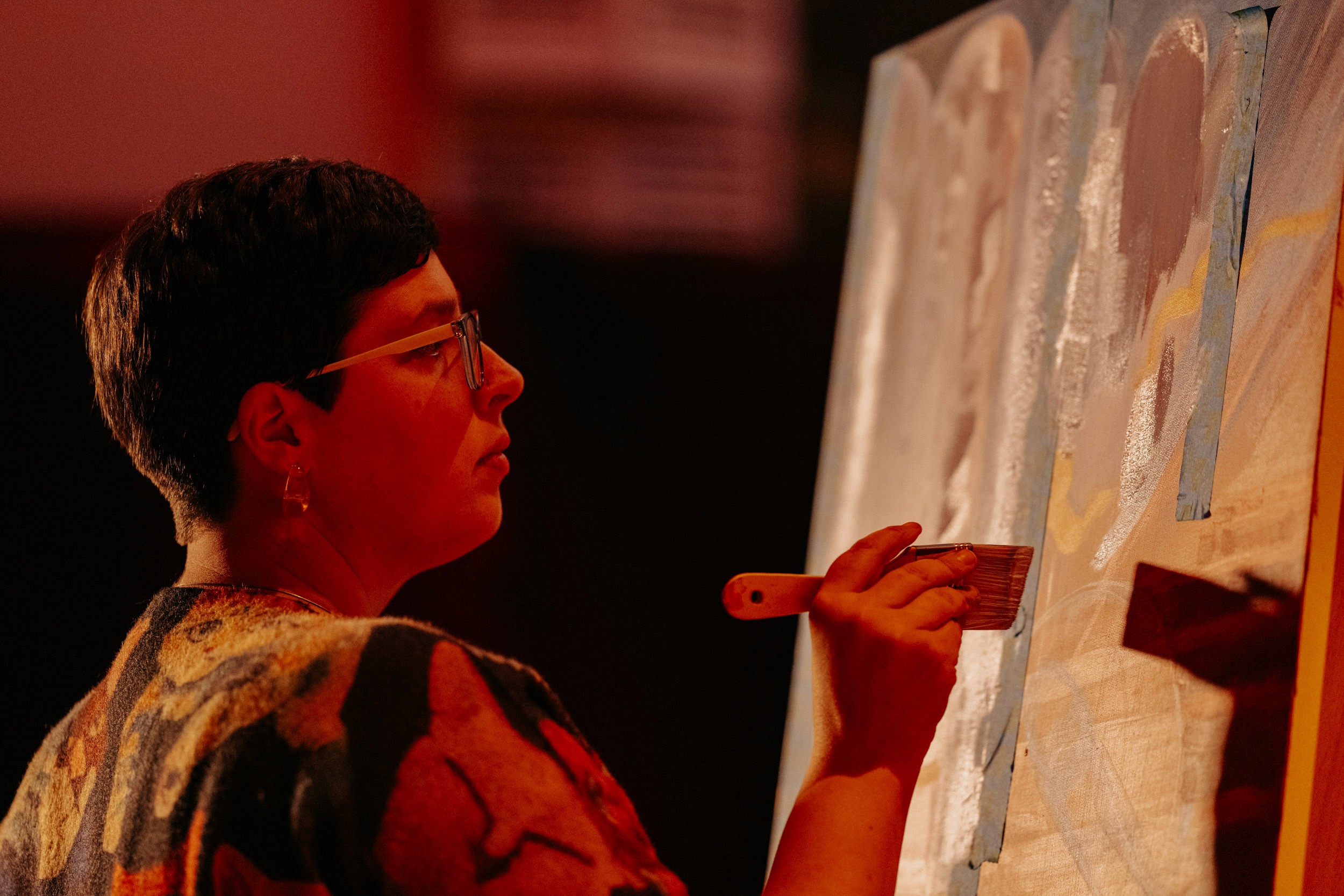
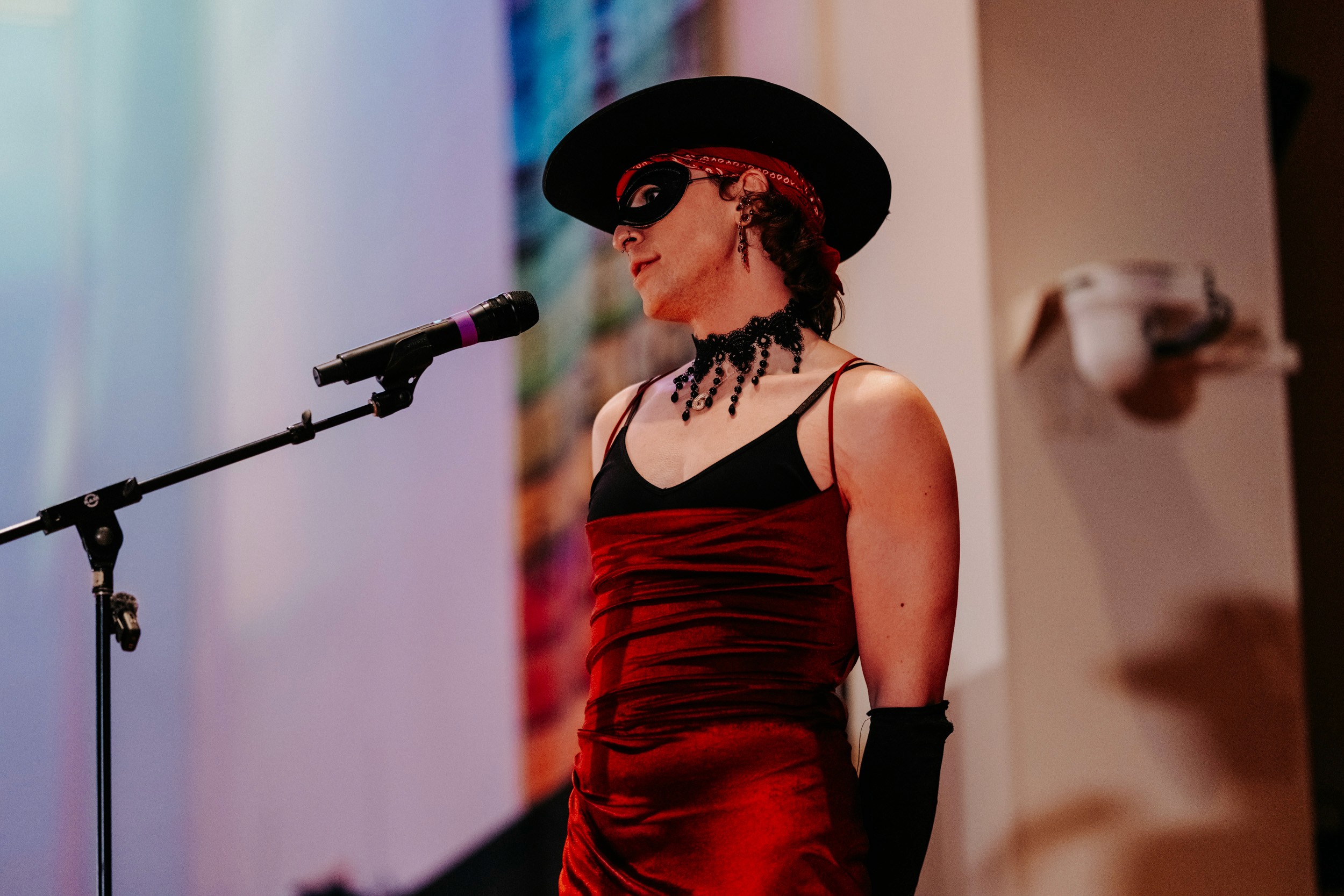
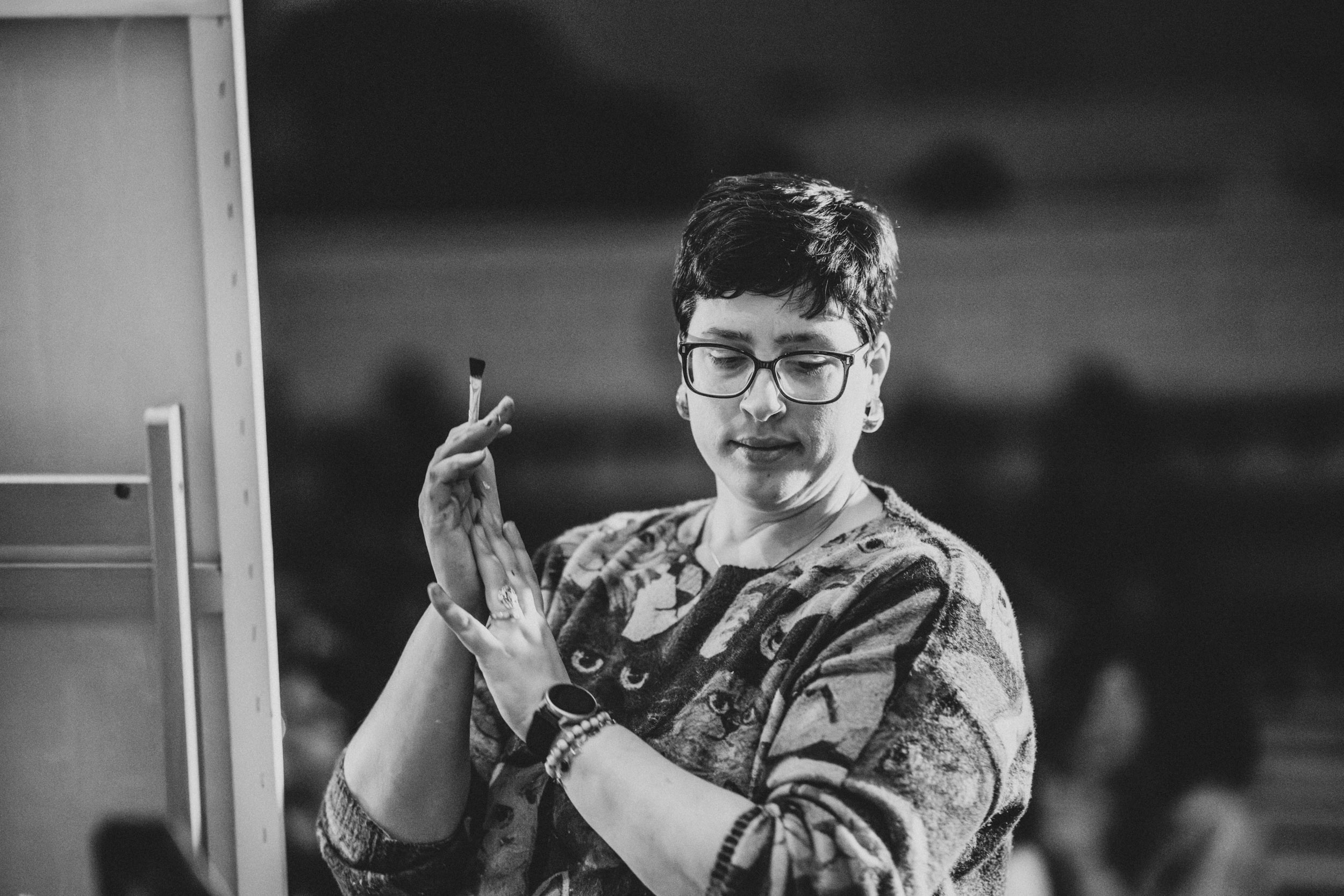
Singers, painters, actors, and dancers sharing their craft.
Singers, painters, actors, and dancers sharing their craft.
Reading the Room
Before the first performance, you already knew this one was different.
Anyone who’s ever stepped on stage knows the feeling. Before the mic turns on, before the first word or note, you’re already reading the room.
You look for signals. Are people paying attention? Are they closed off? Distracted? Waiting to be impressed?
At QOM, that question disappears almost immediately.
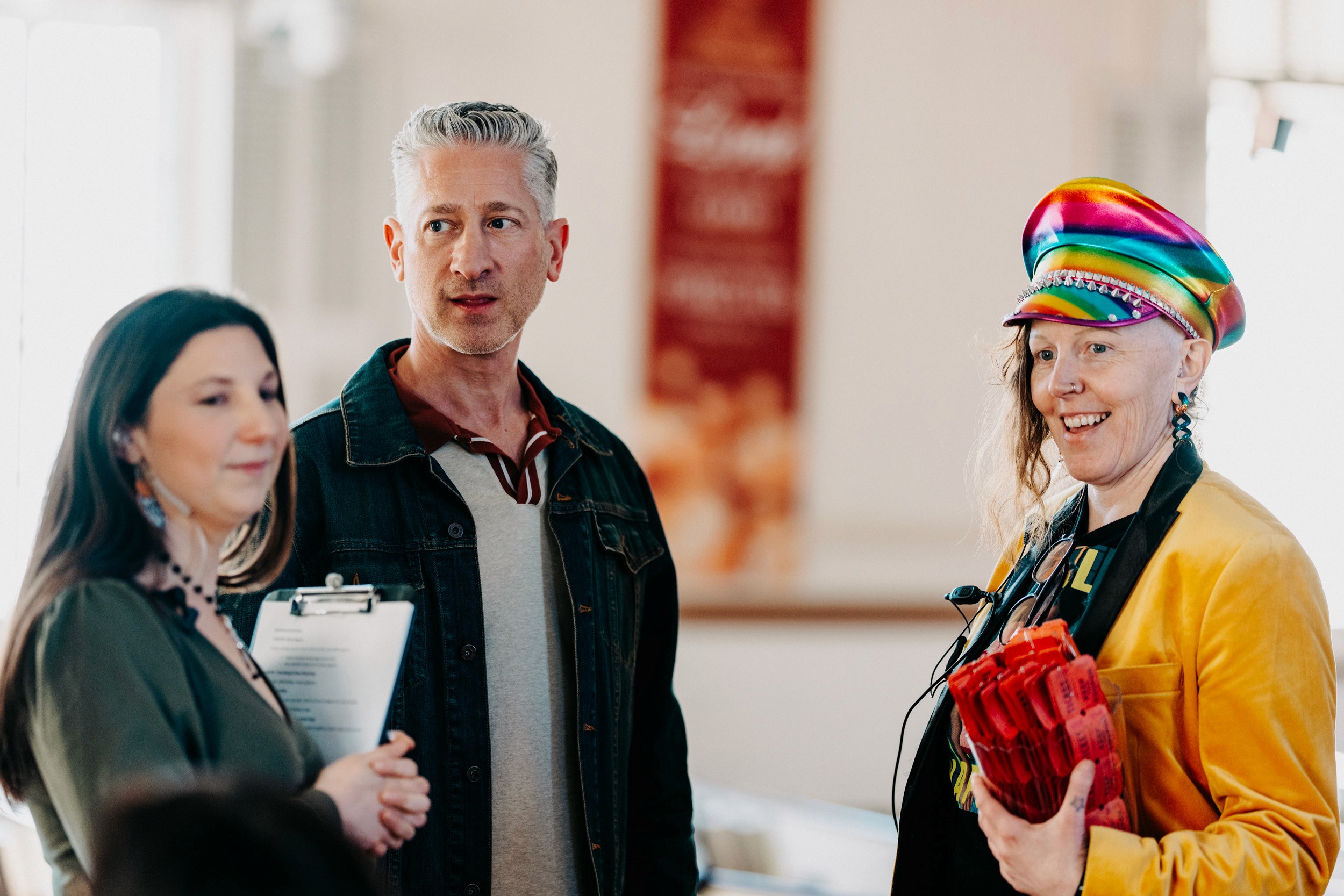
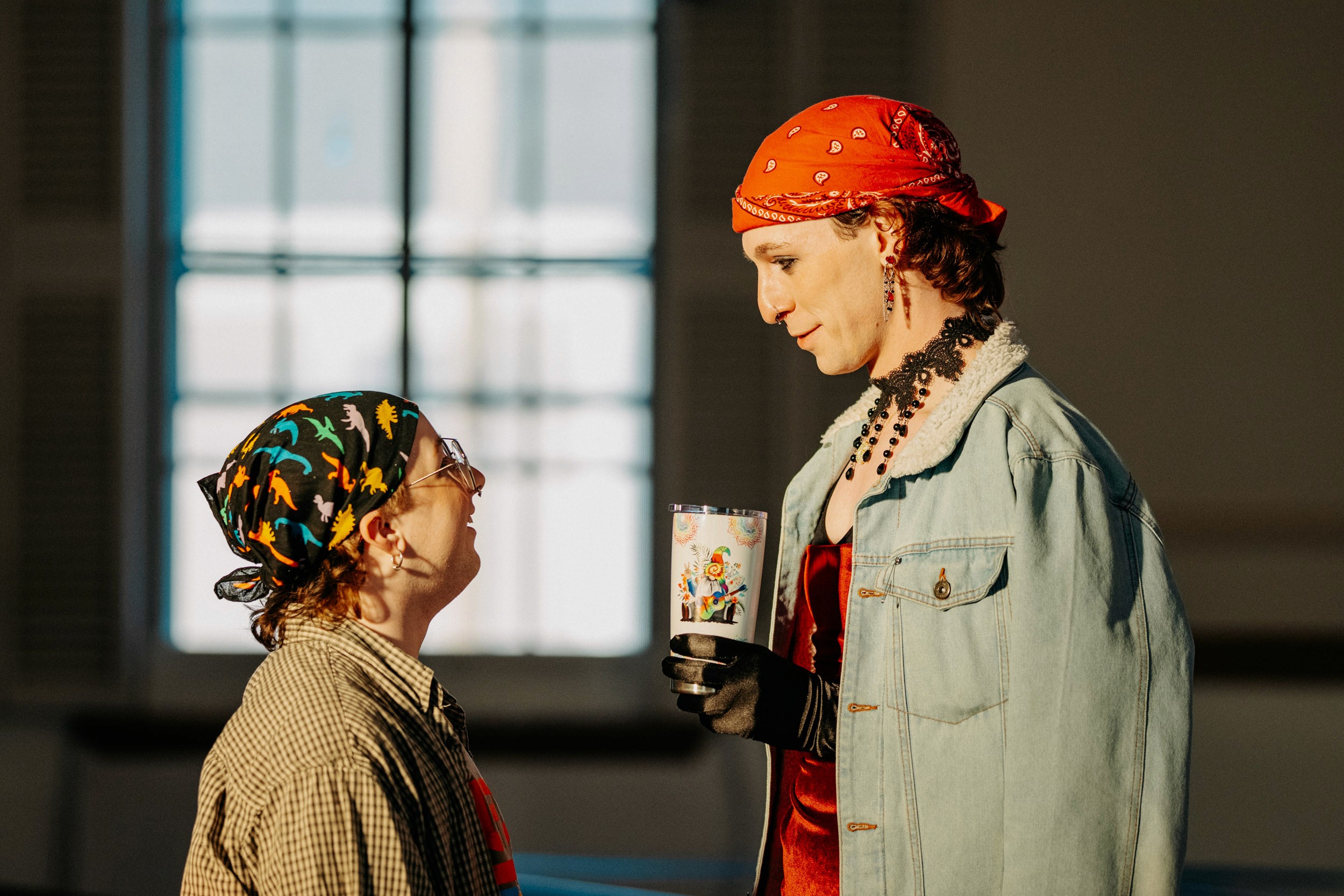
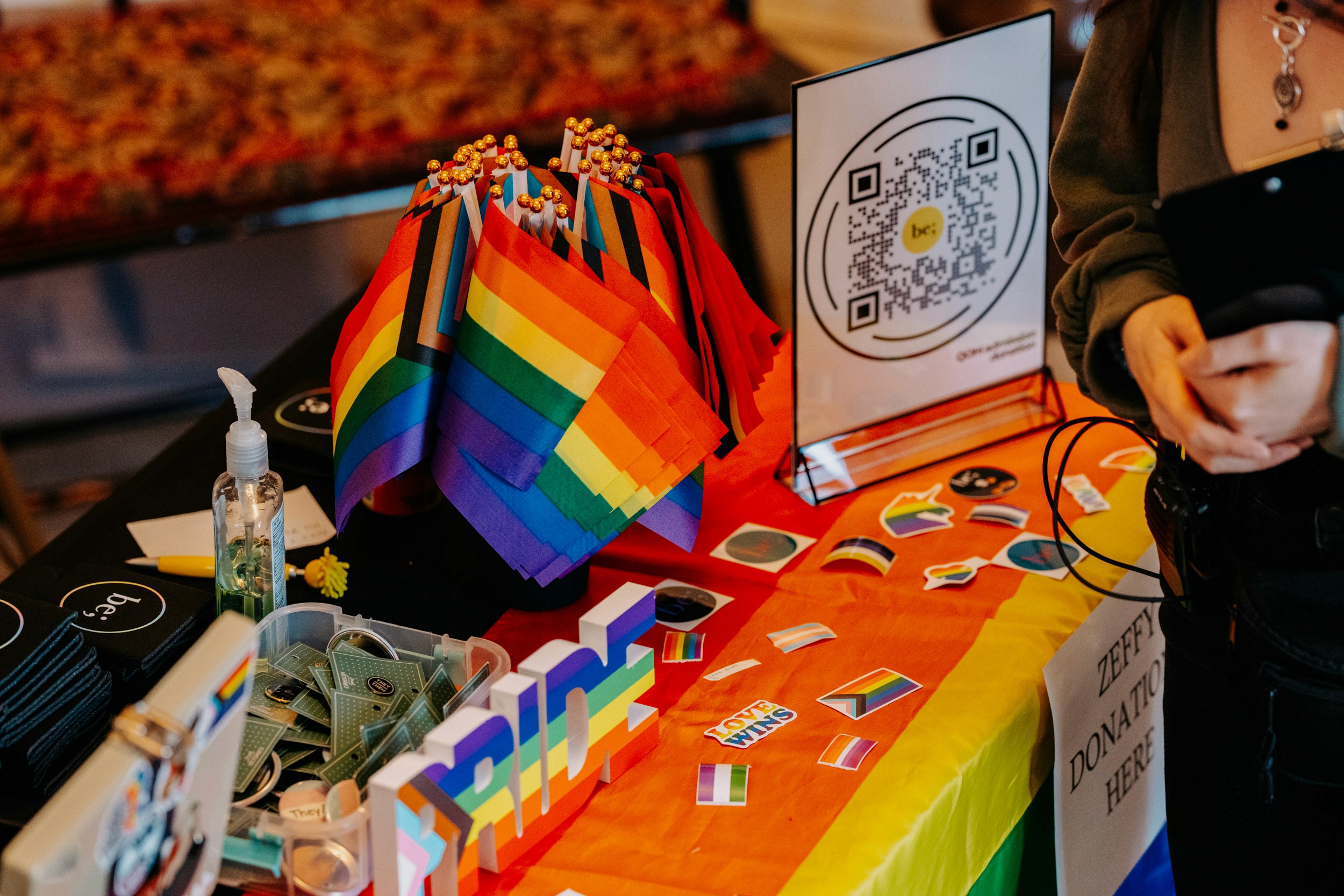
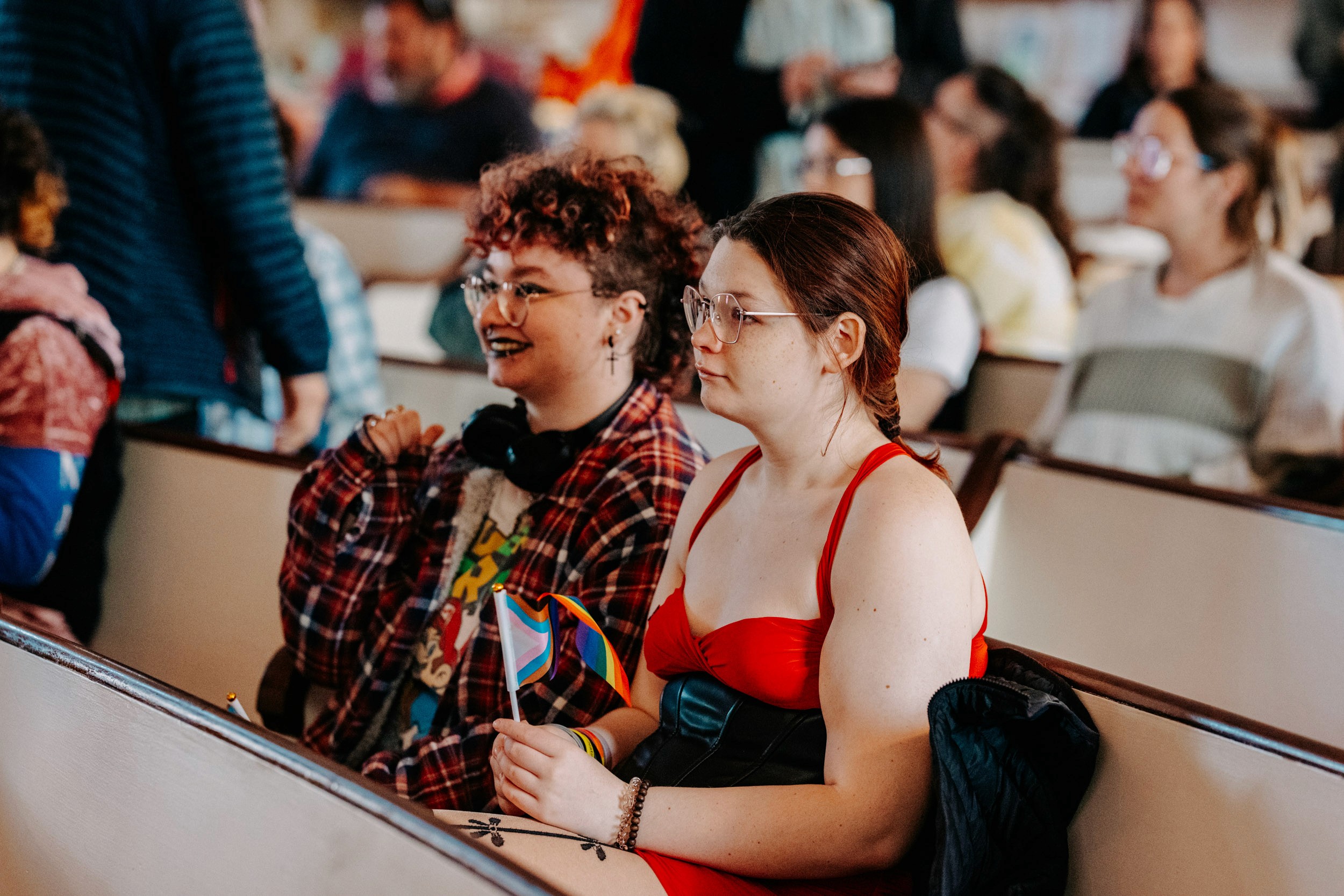
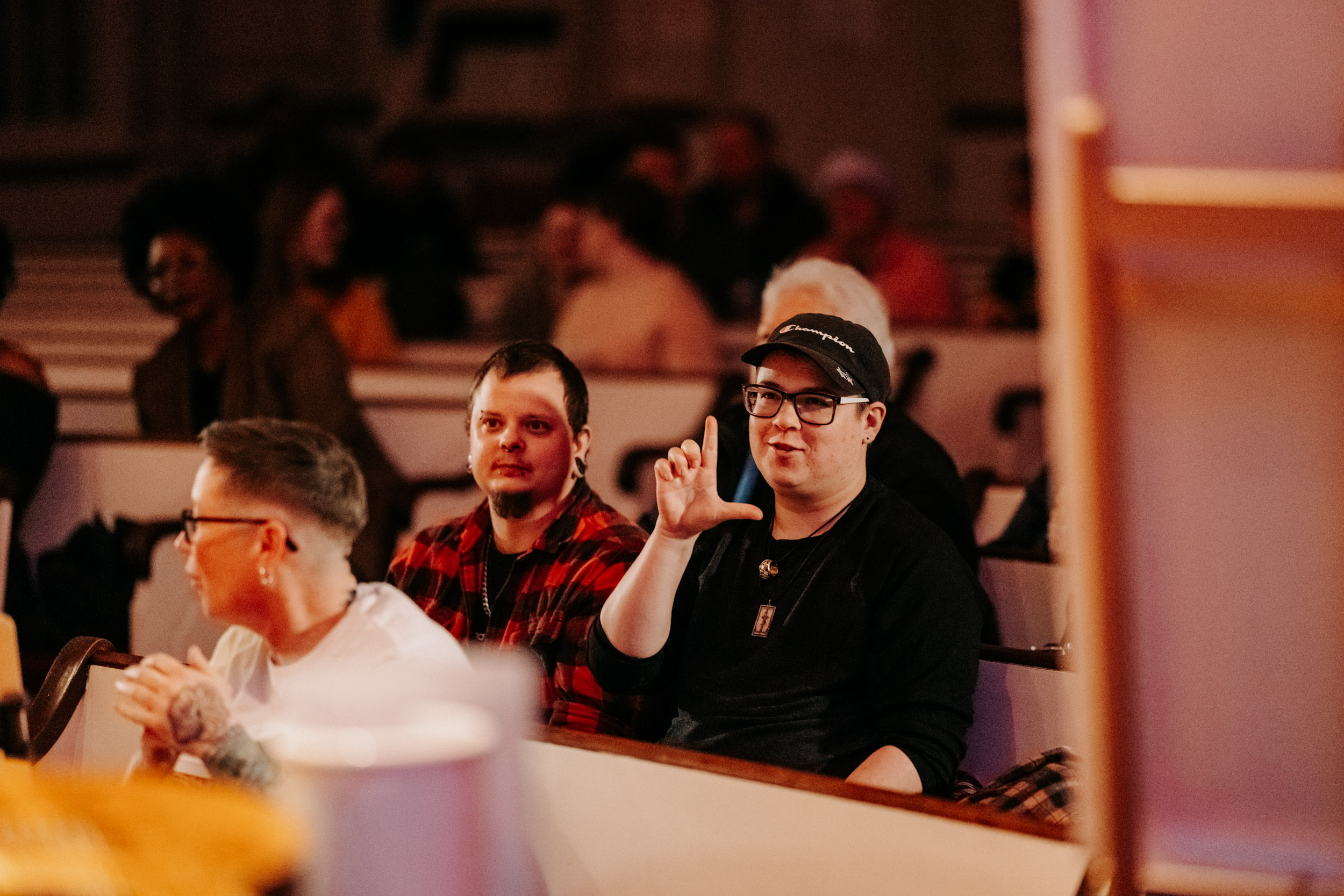
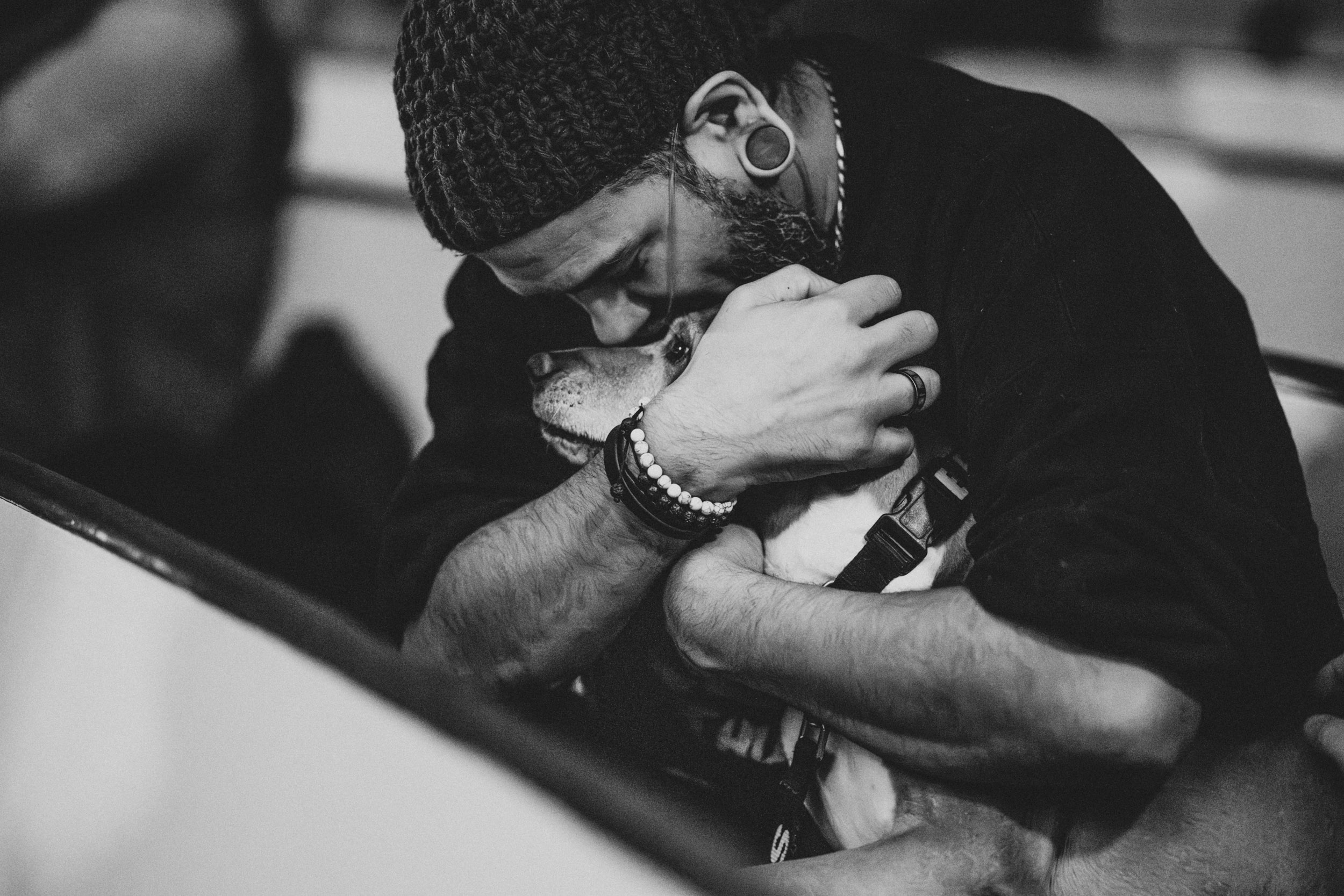
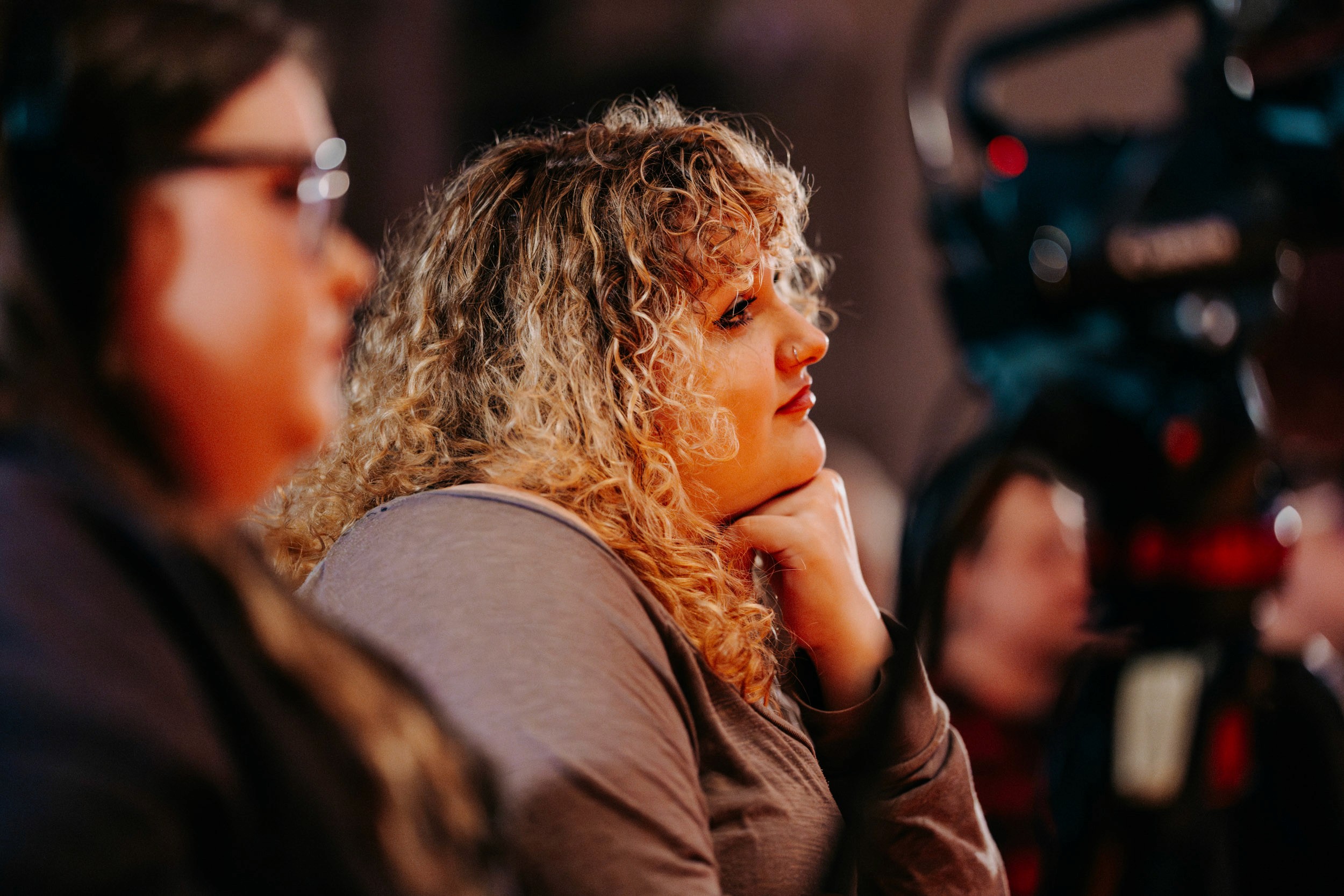
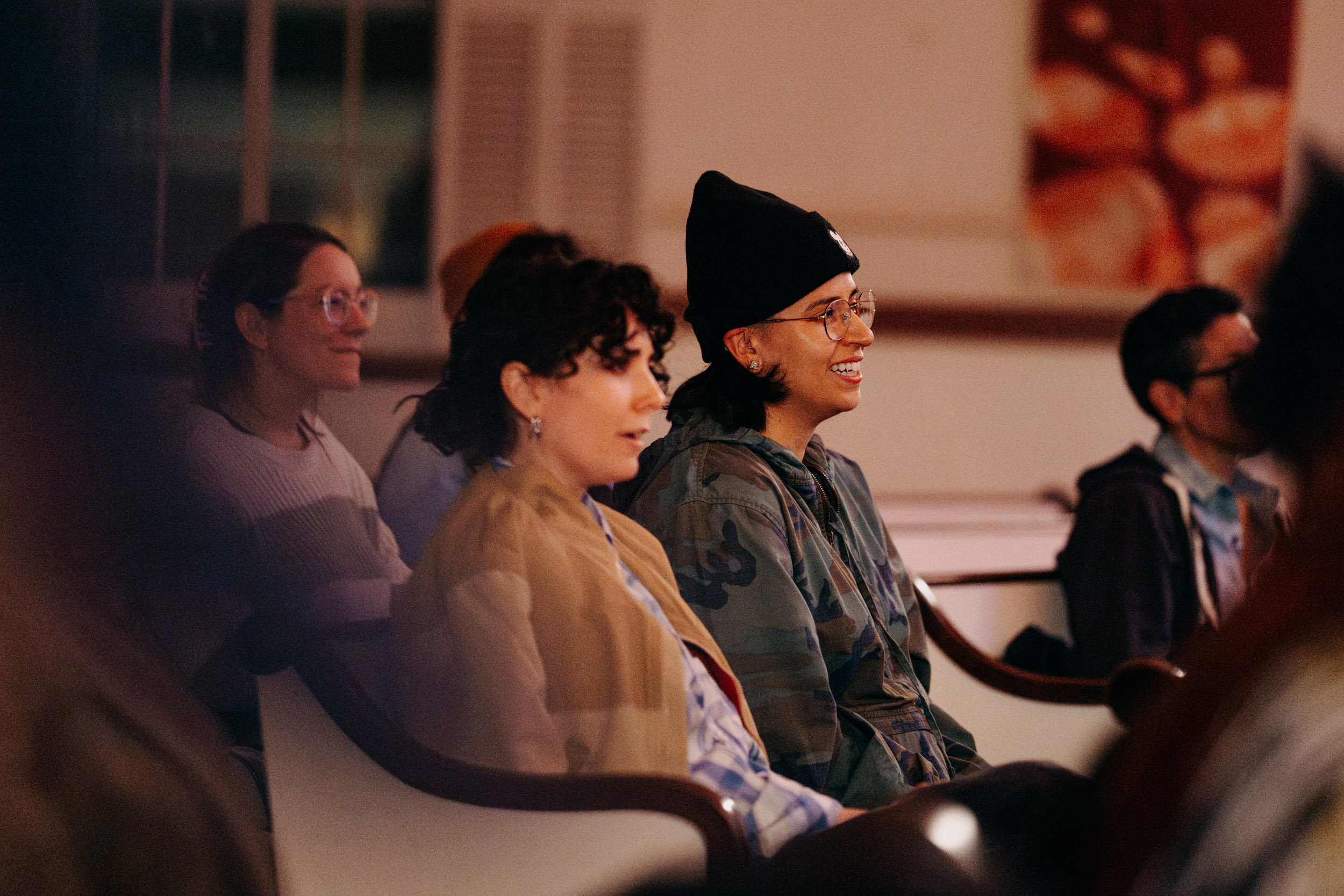
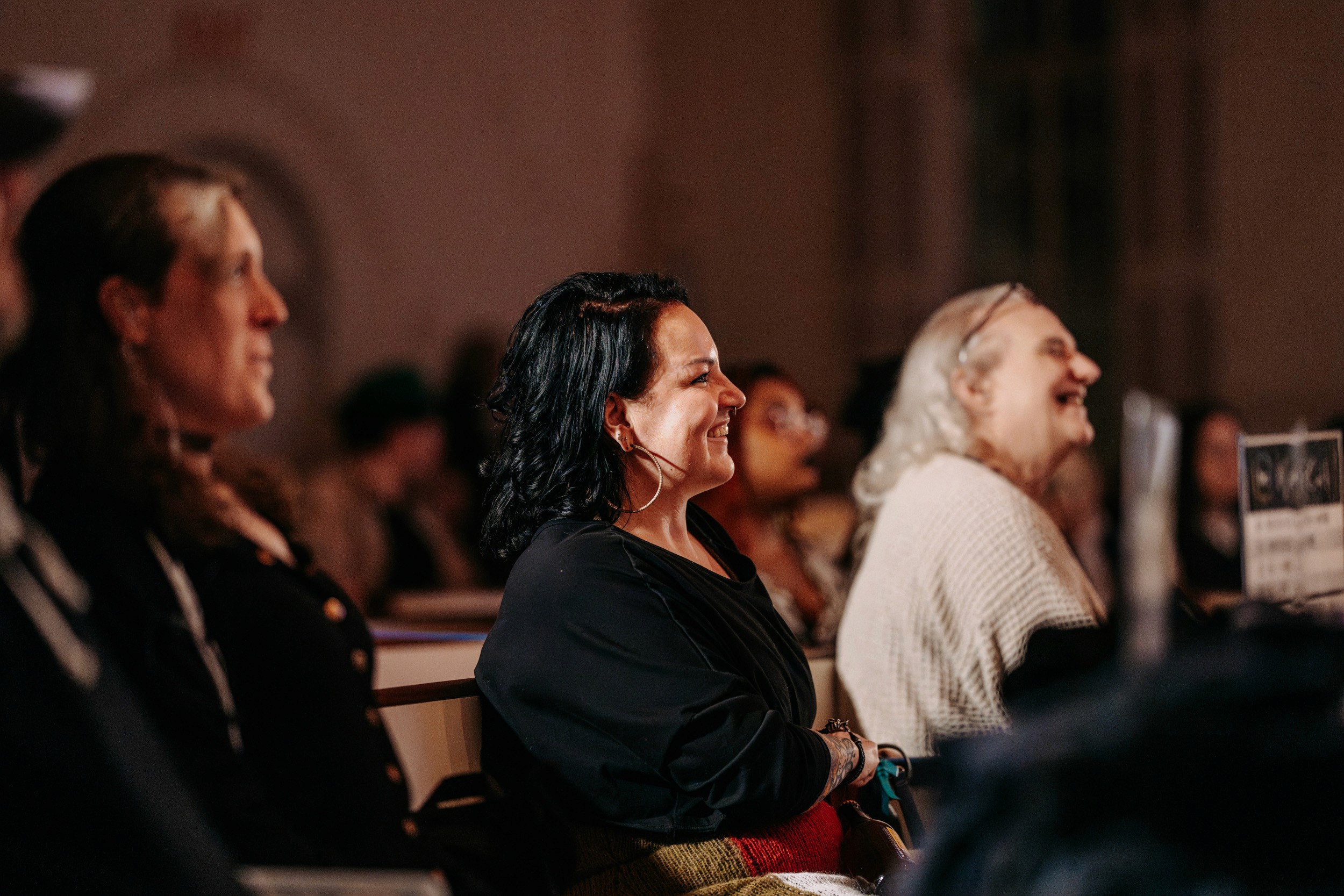
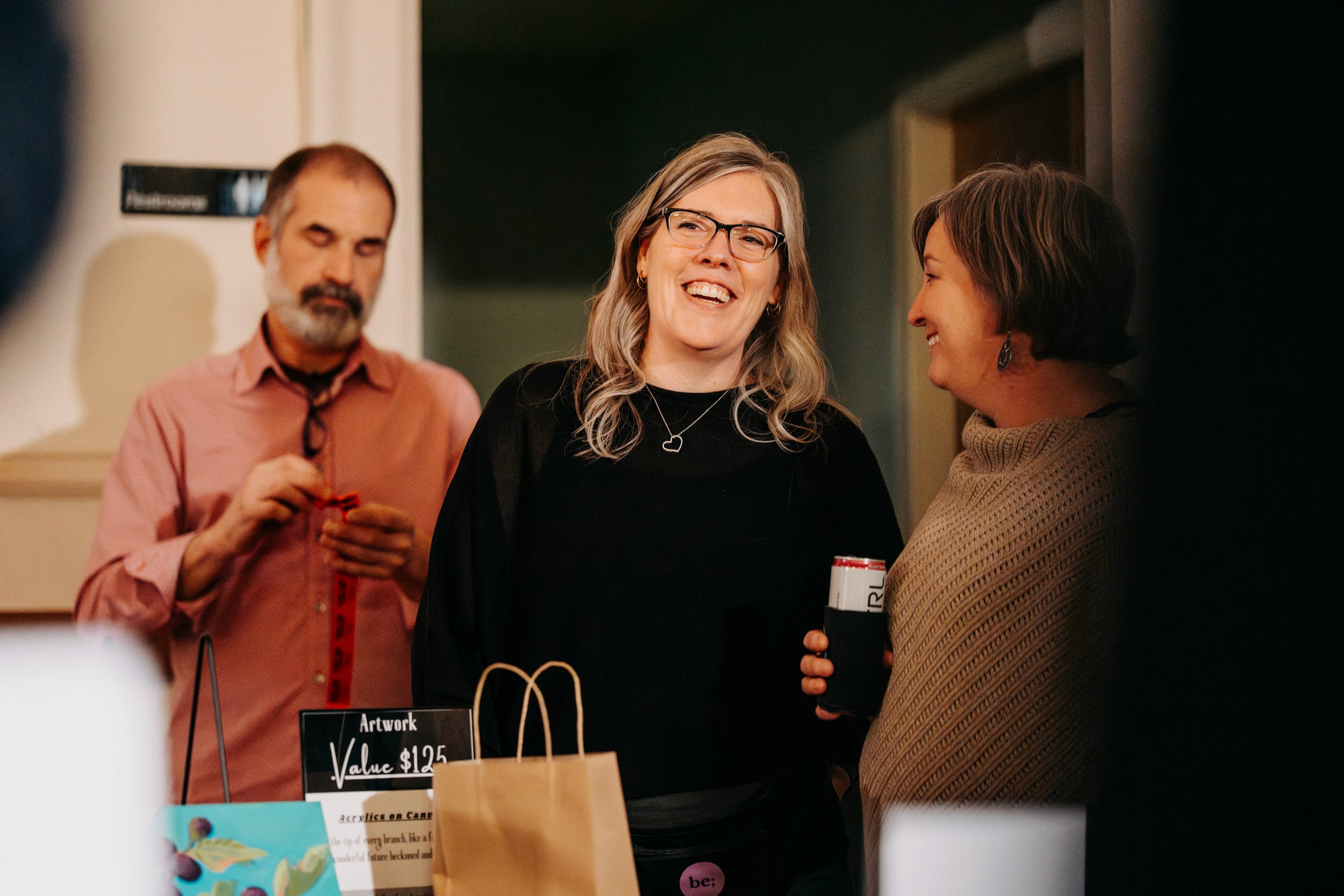
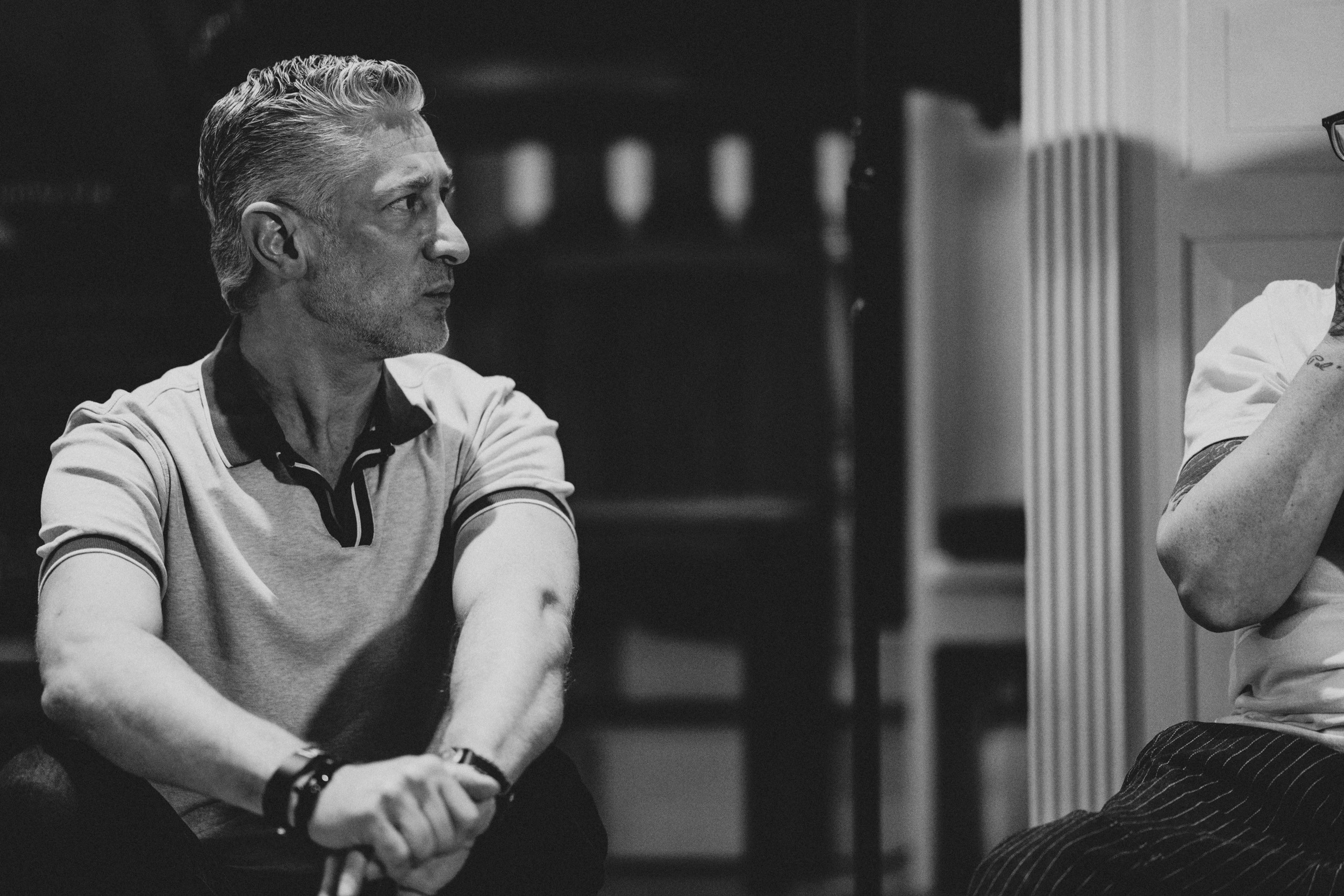
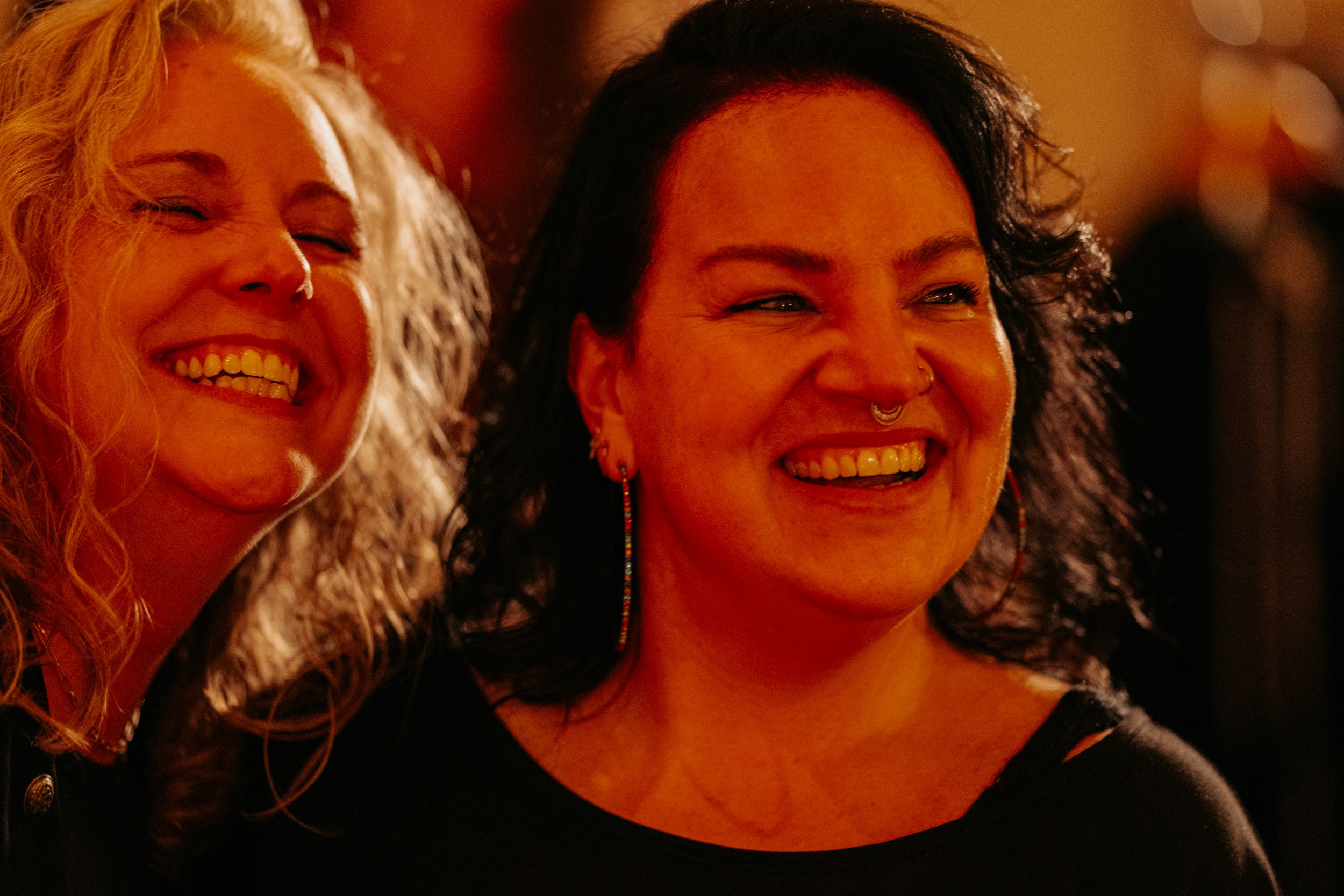
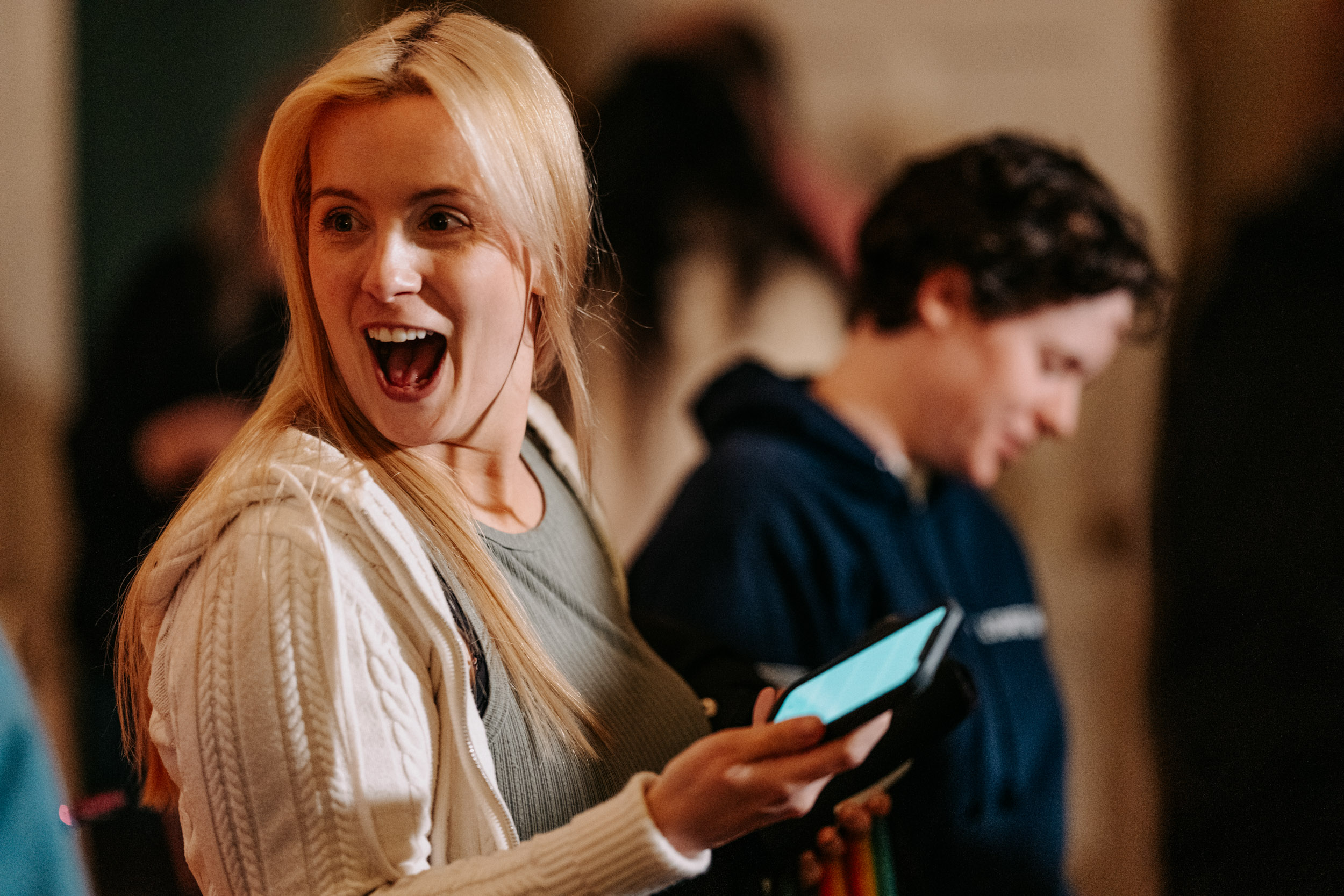
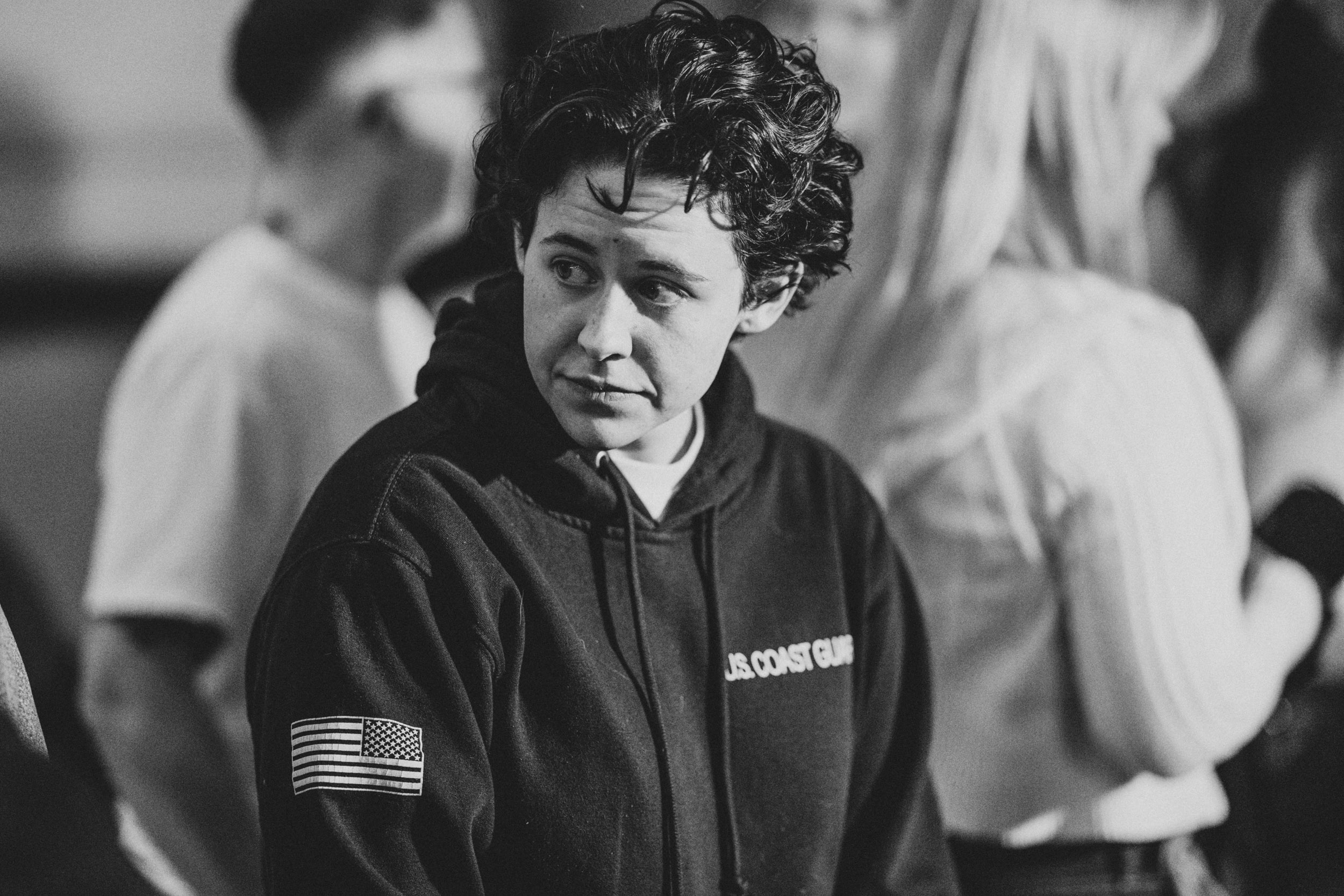
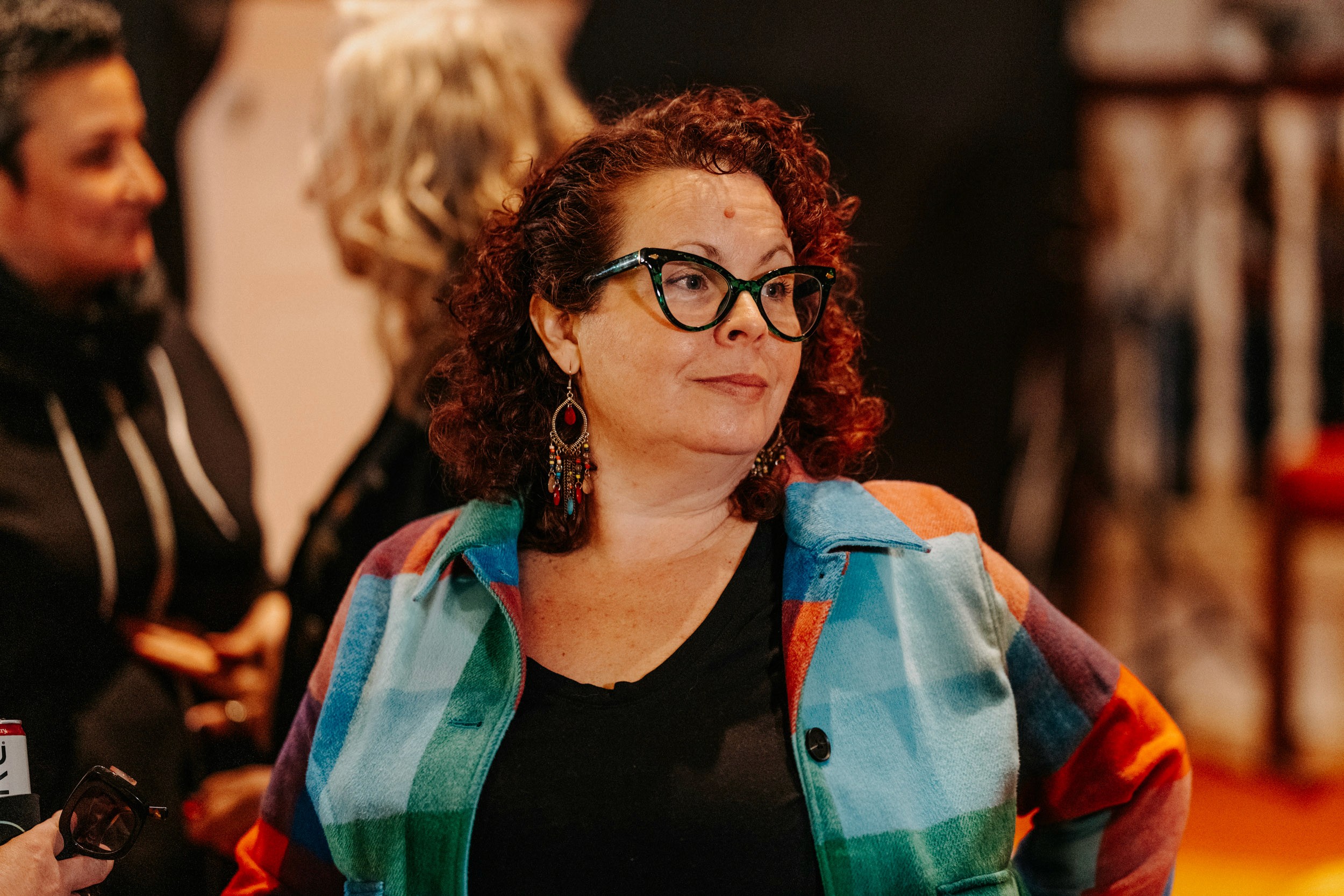
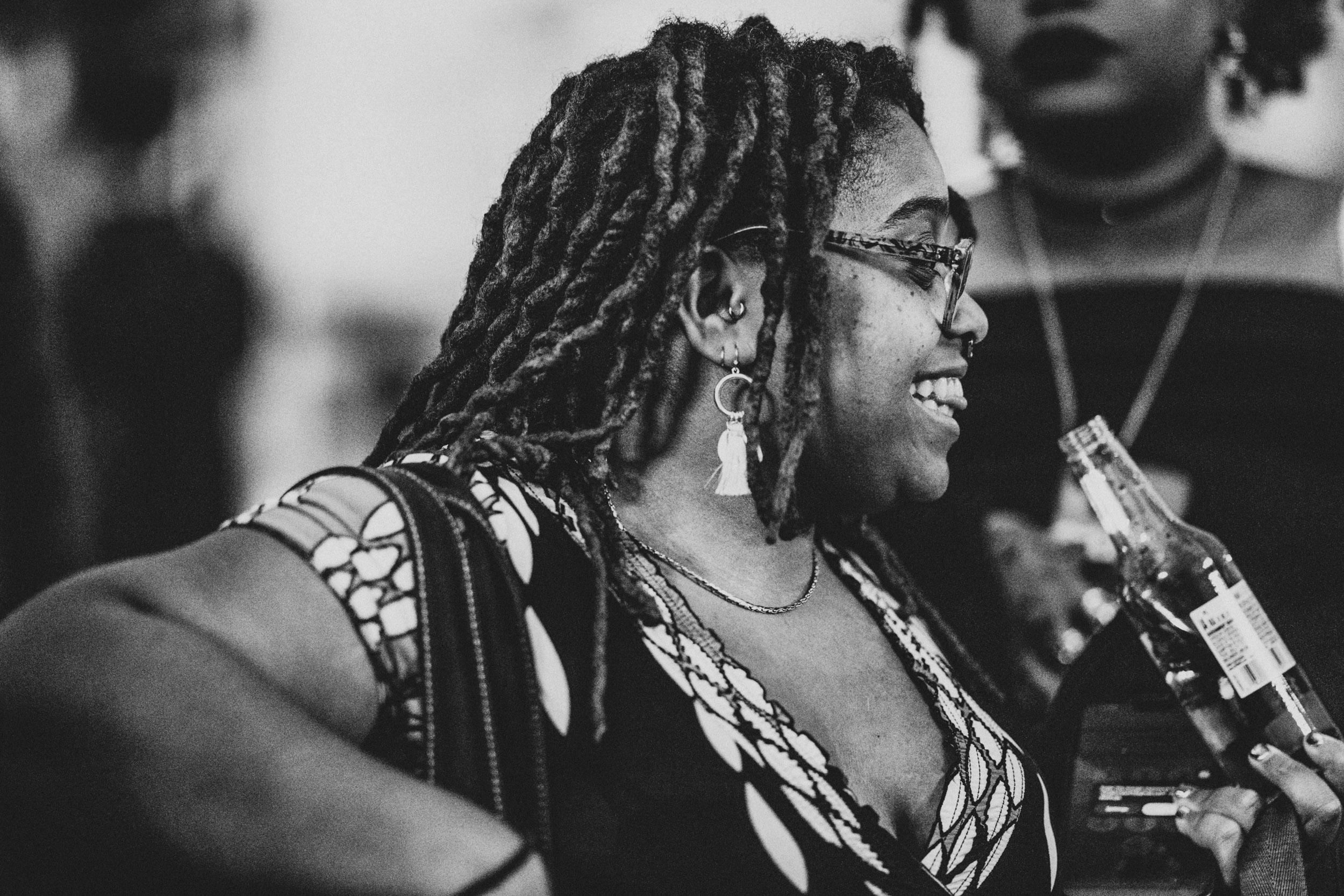
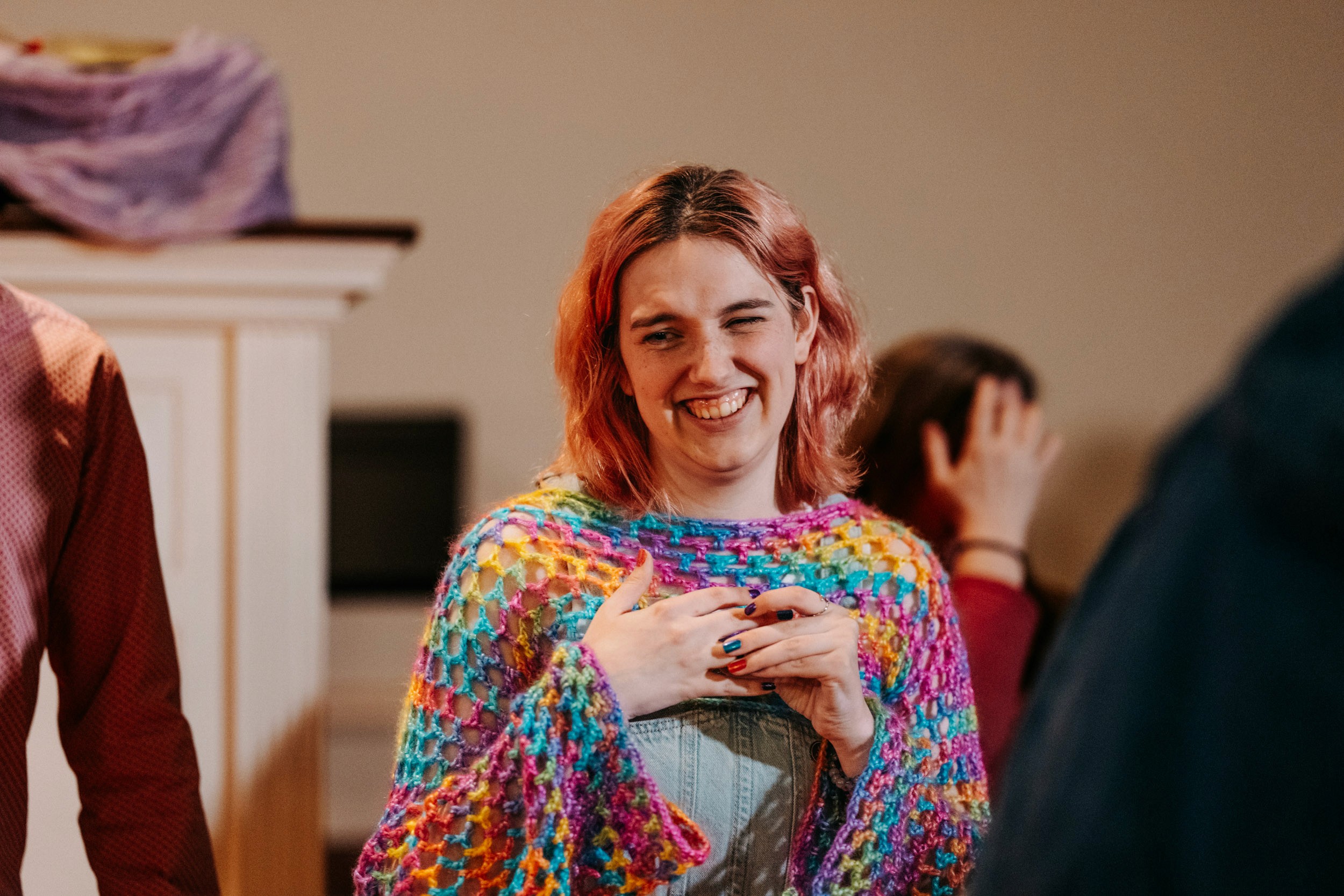
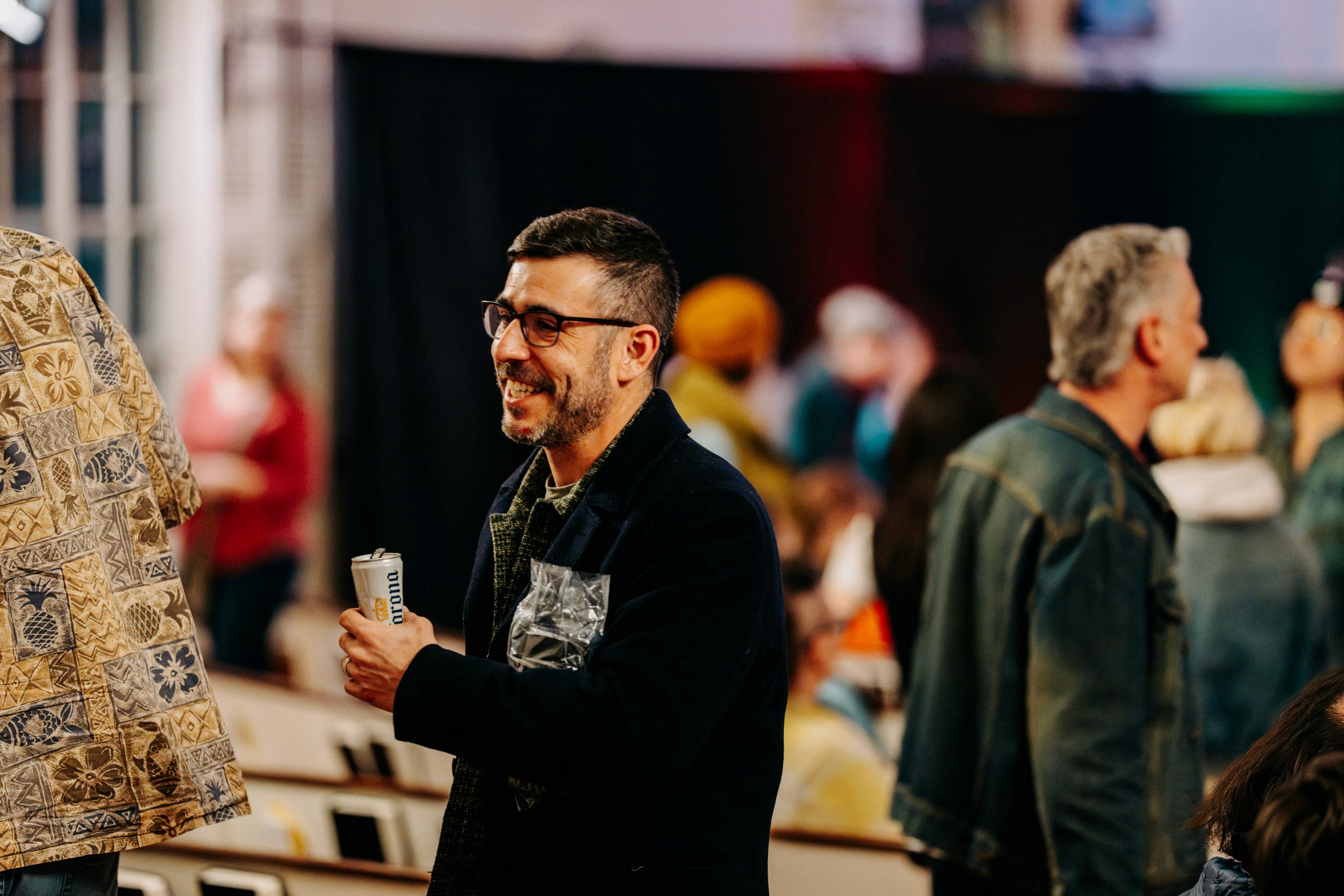
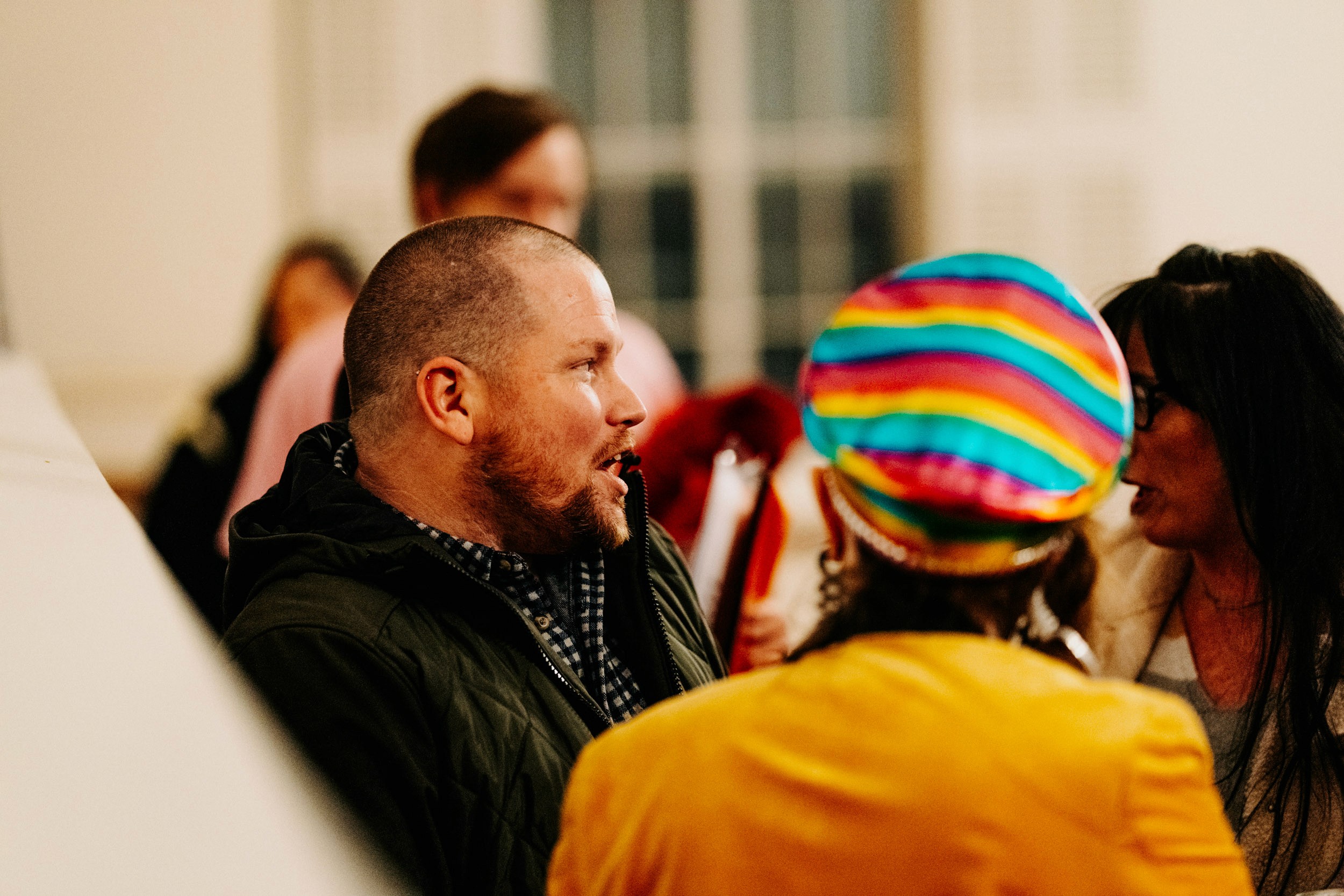
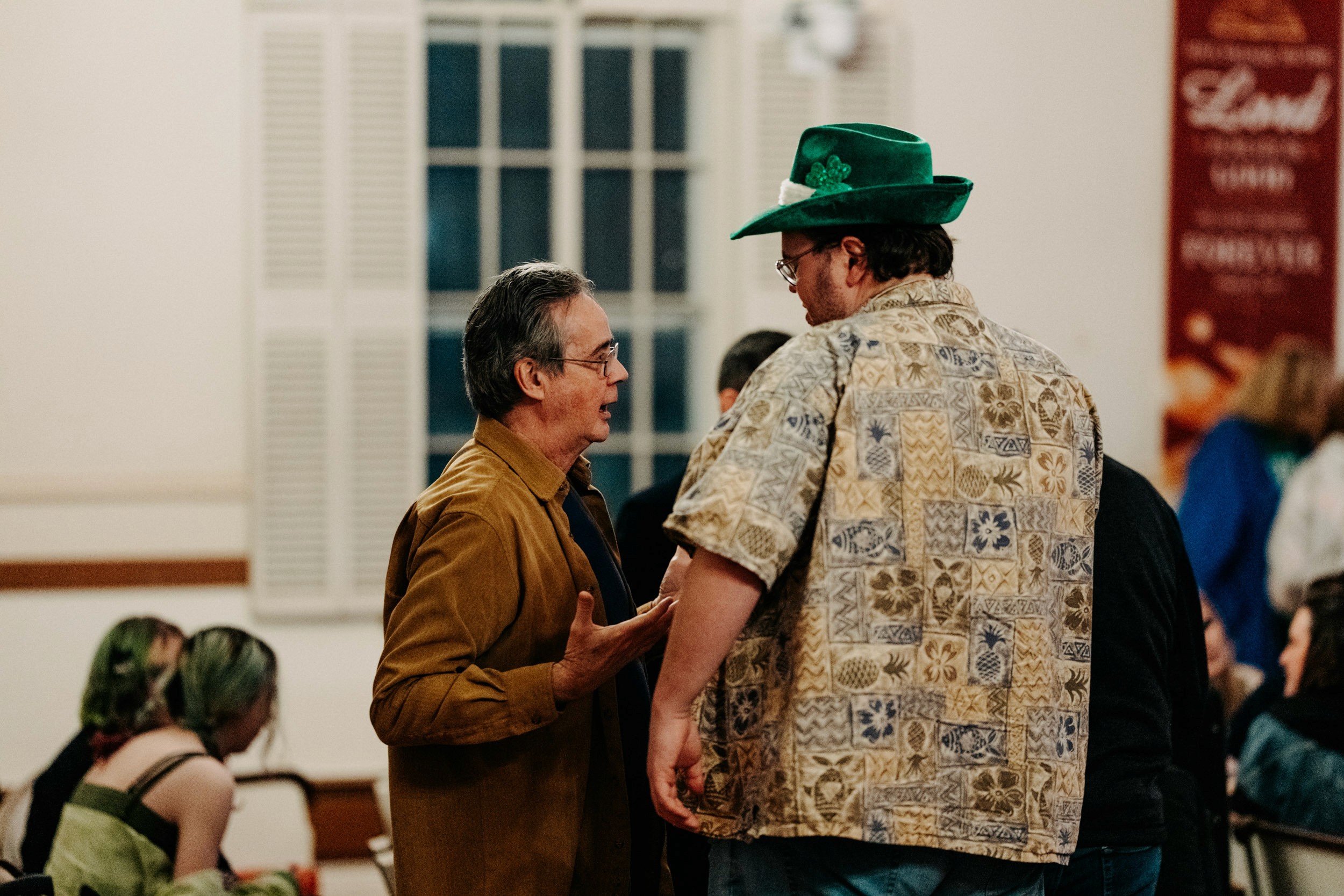
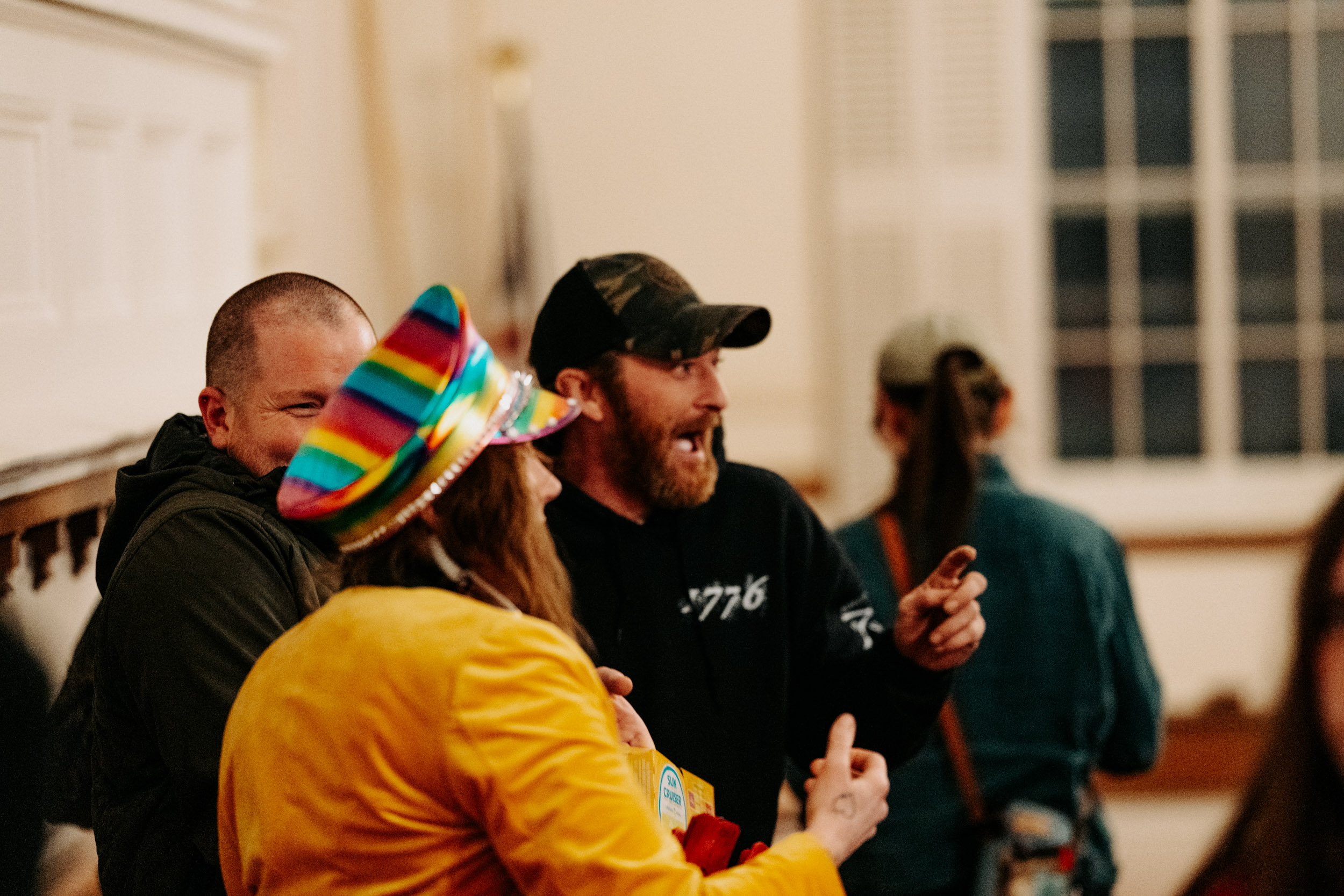
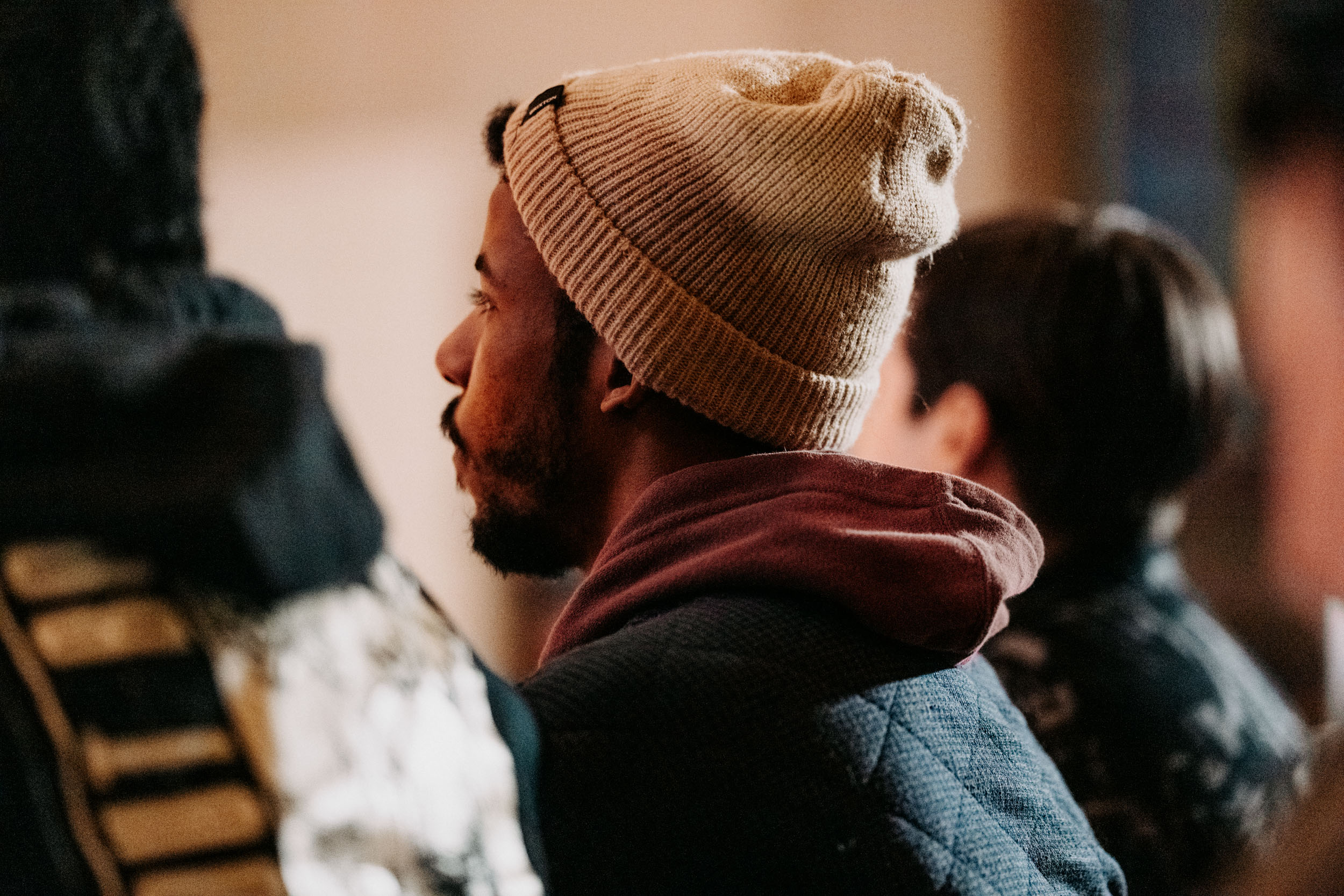
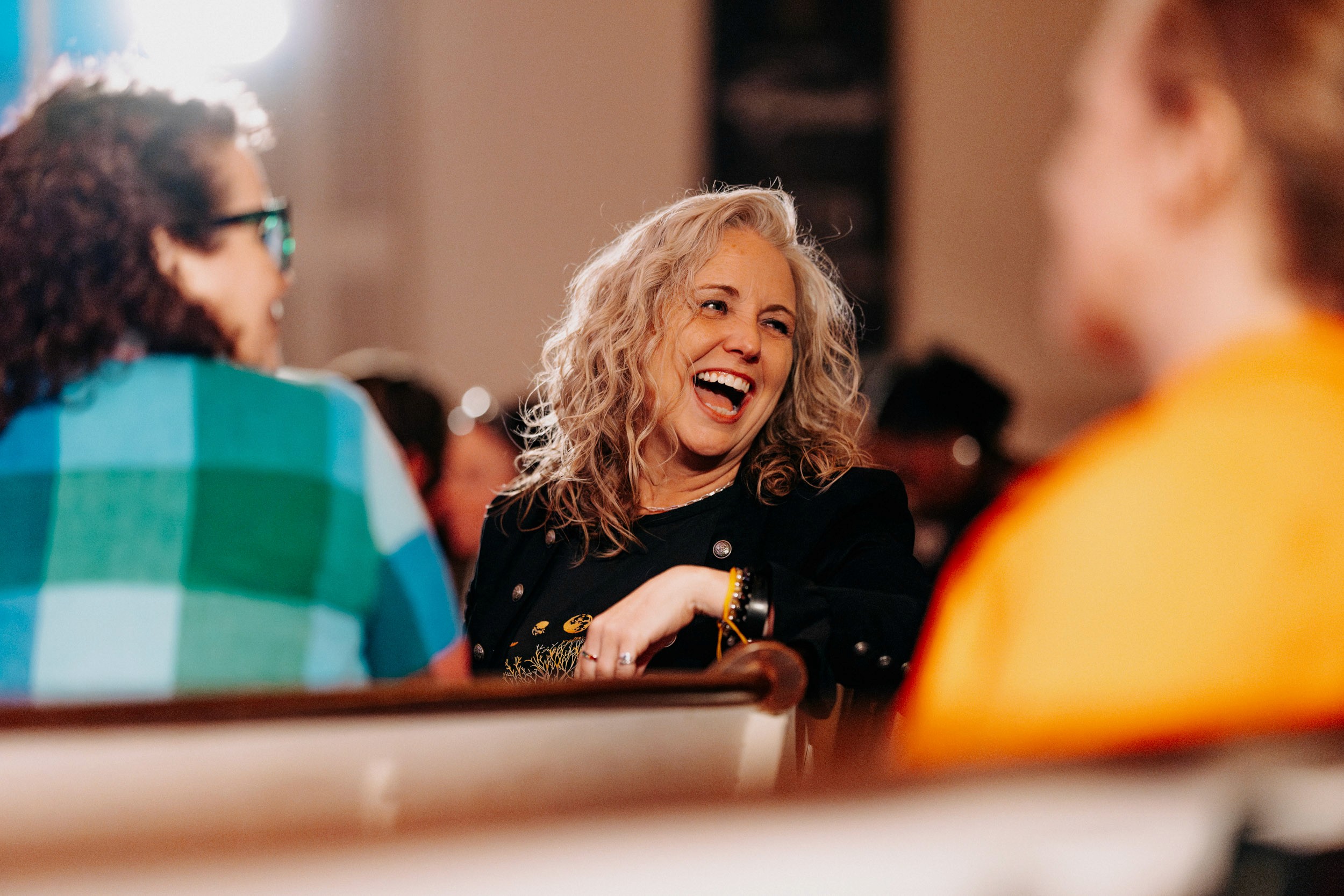
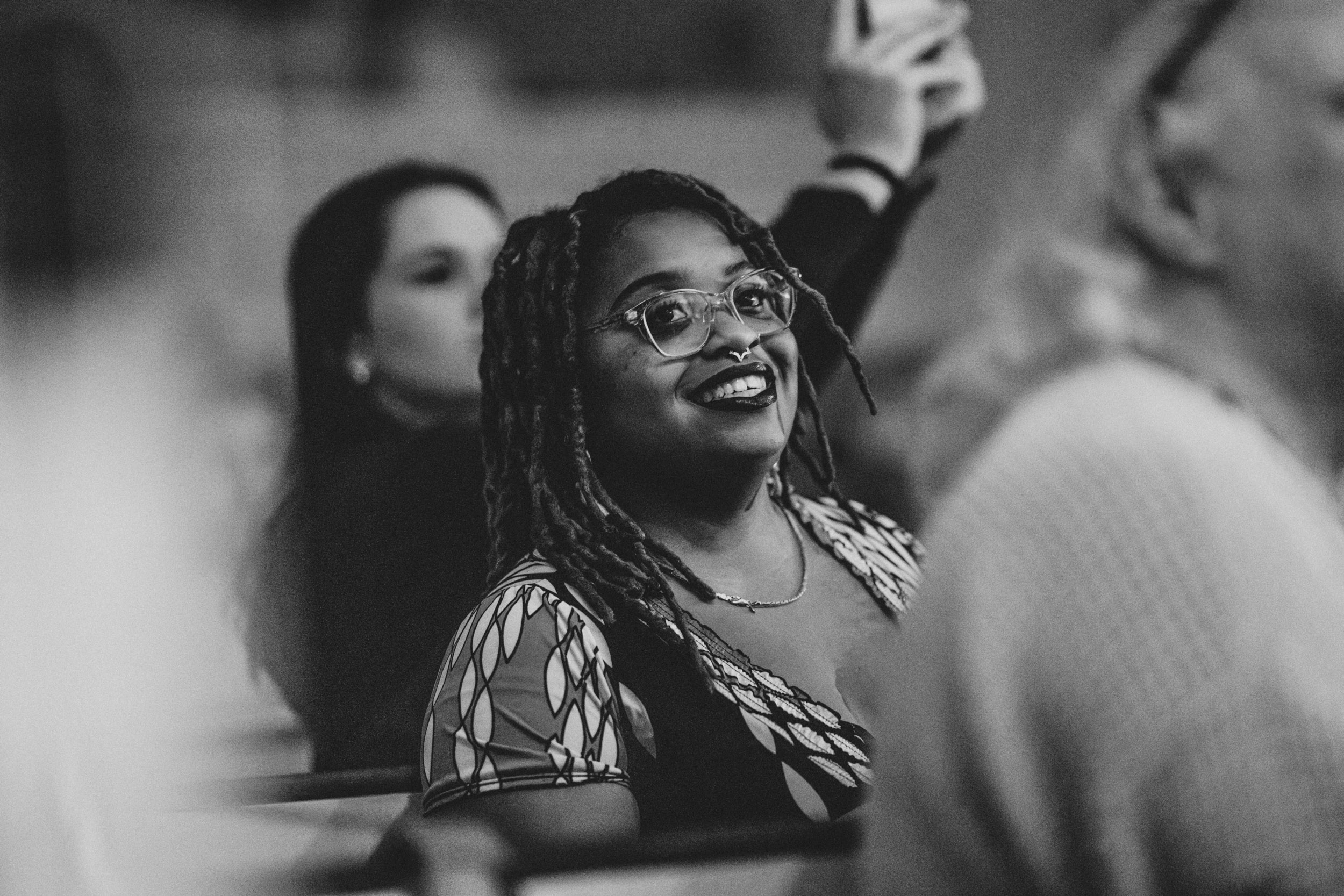
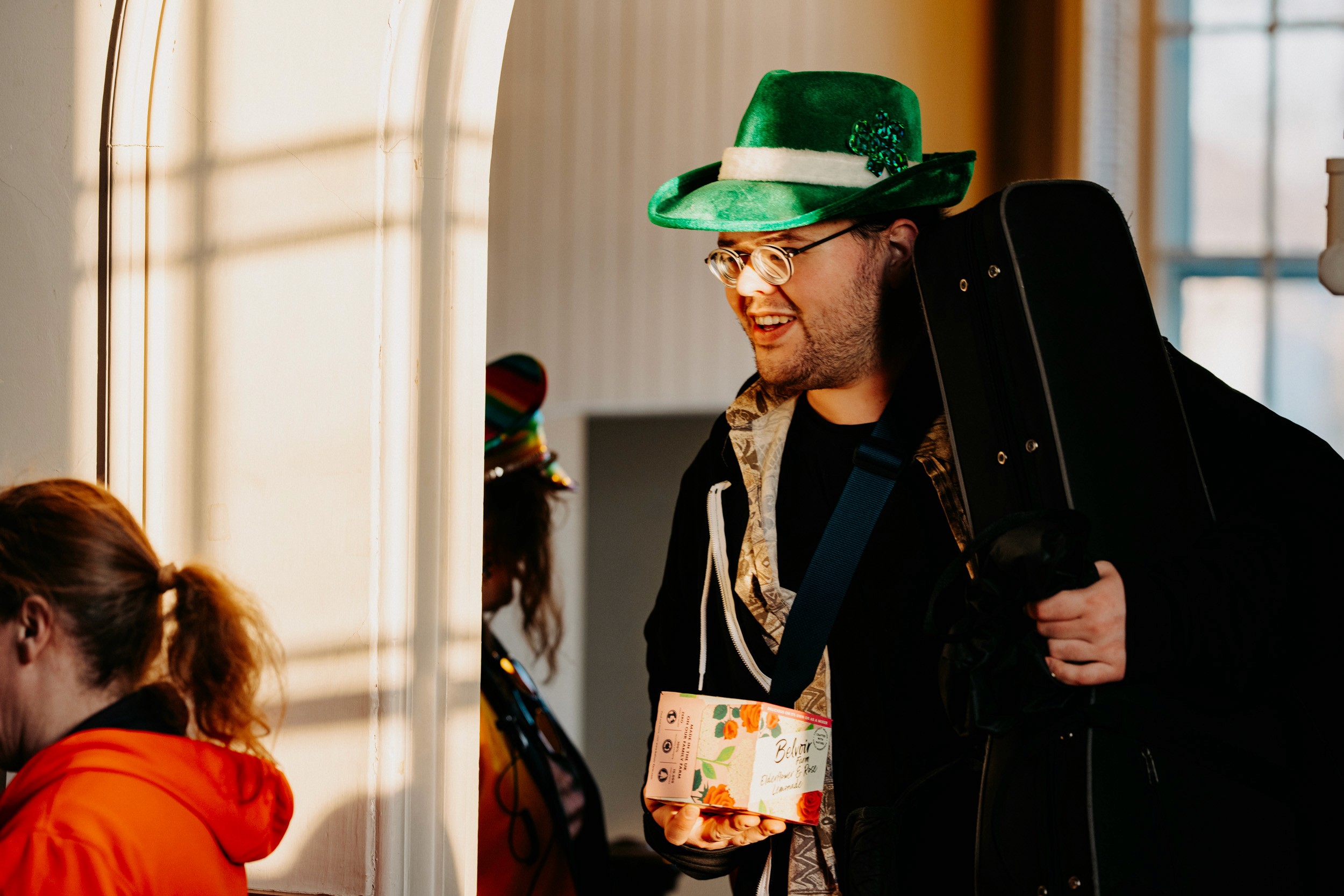
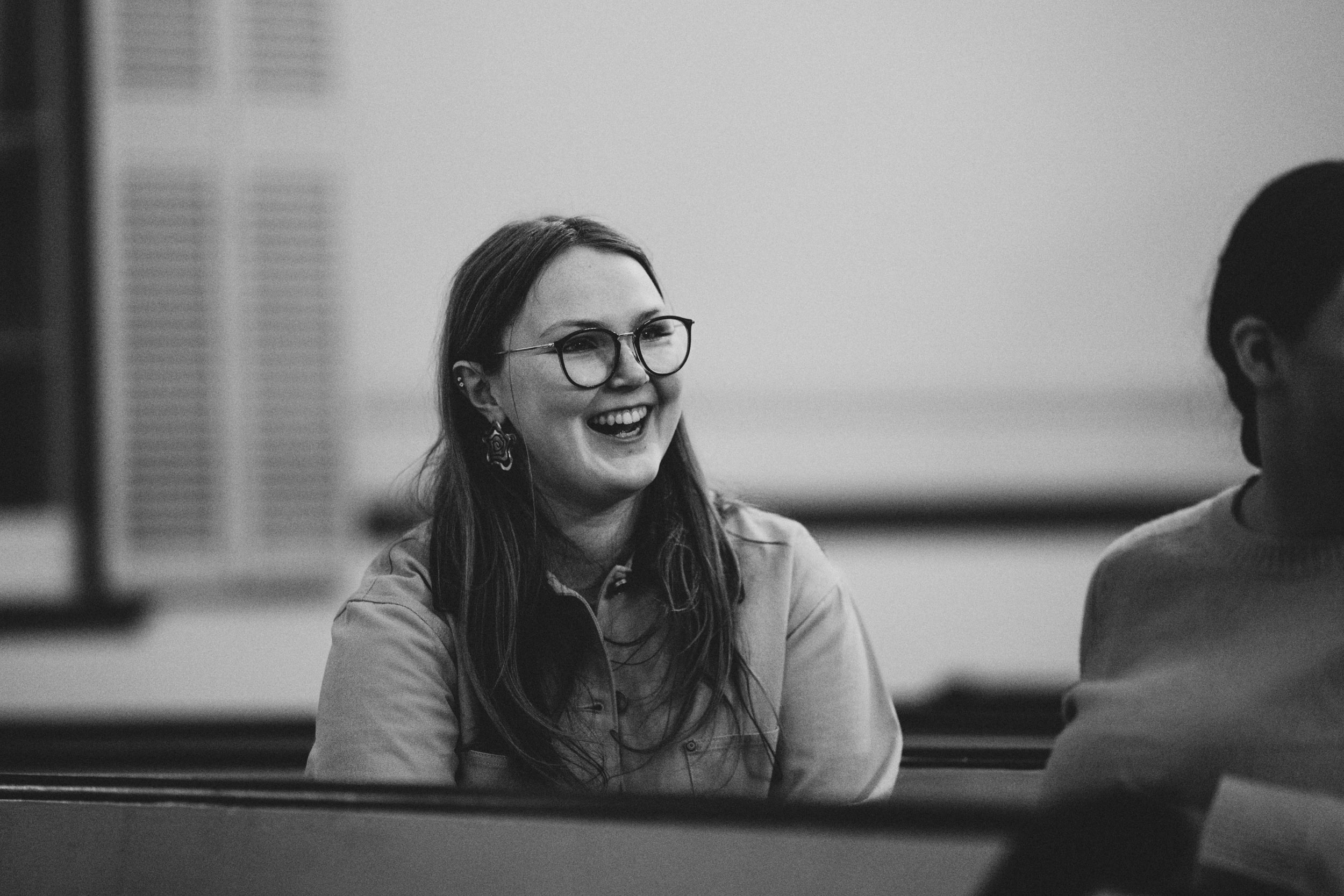
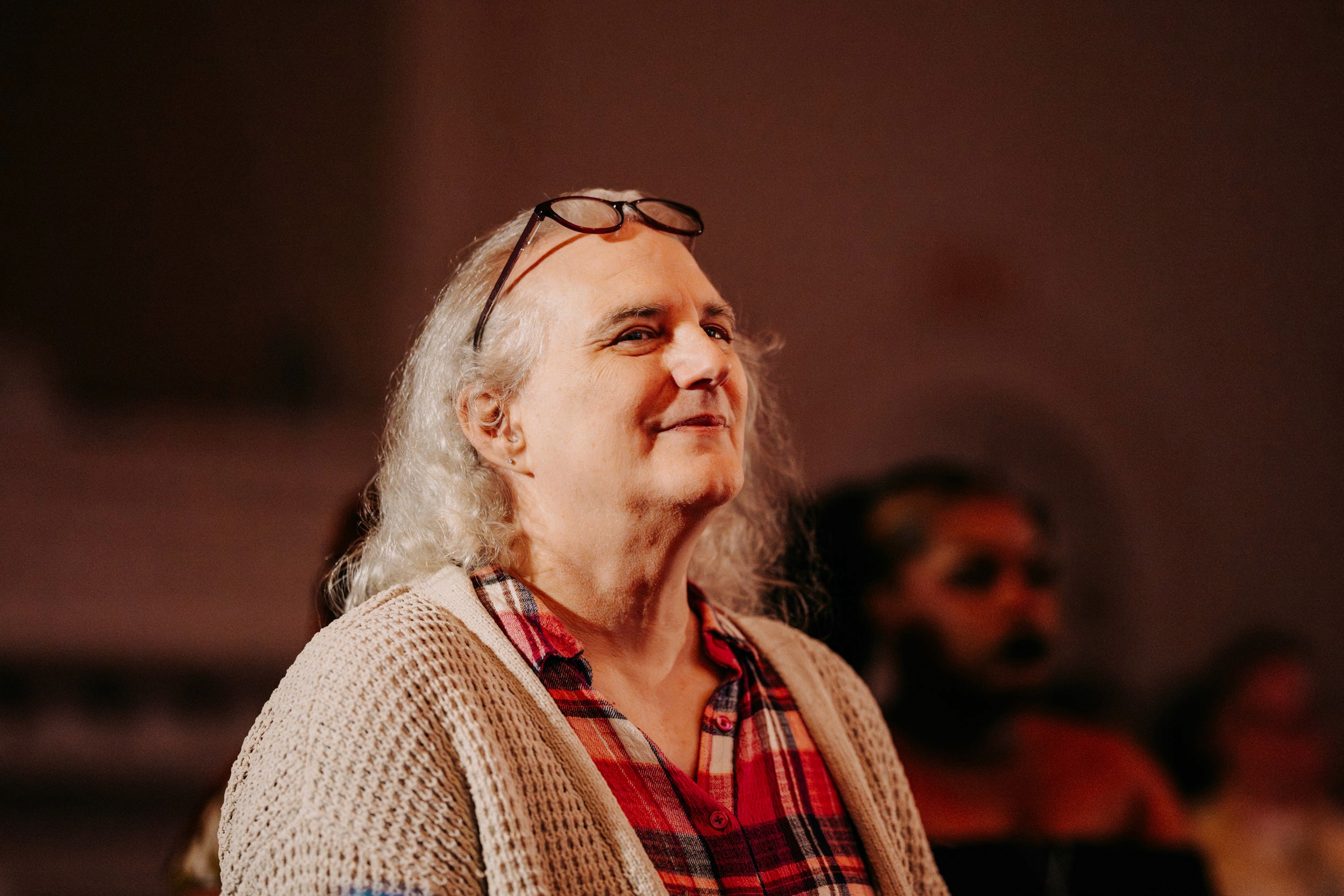
Before the first performance even begins, people are introducing themselves to strangers. Conversations spill across rows. There’s laughter, small moments of connection, a genuine curiosity about who’s in the room and what they might share. It doesn’t feel like an audience settling in. It feels like a group of people choosing to be there, together.
And that matters more than anything.
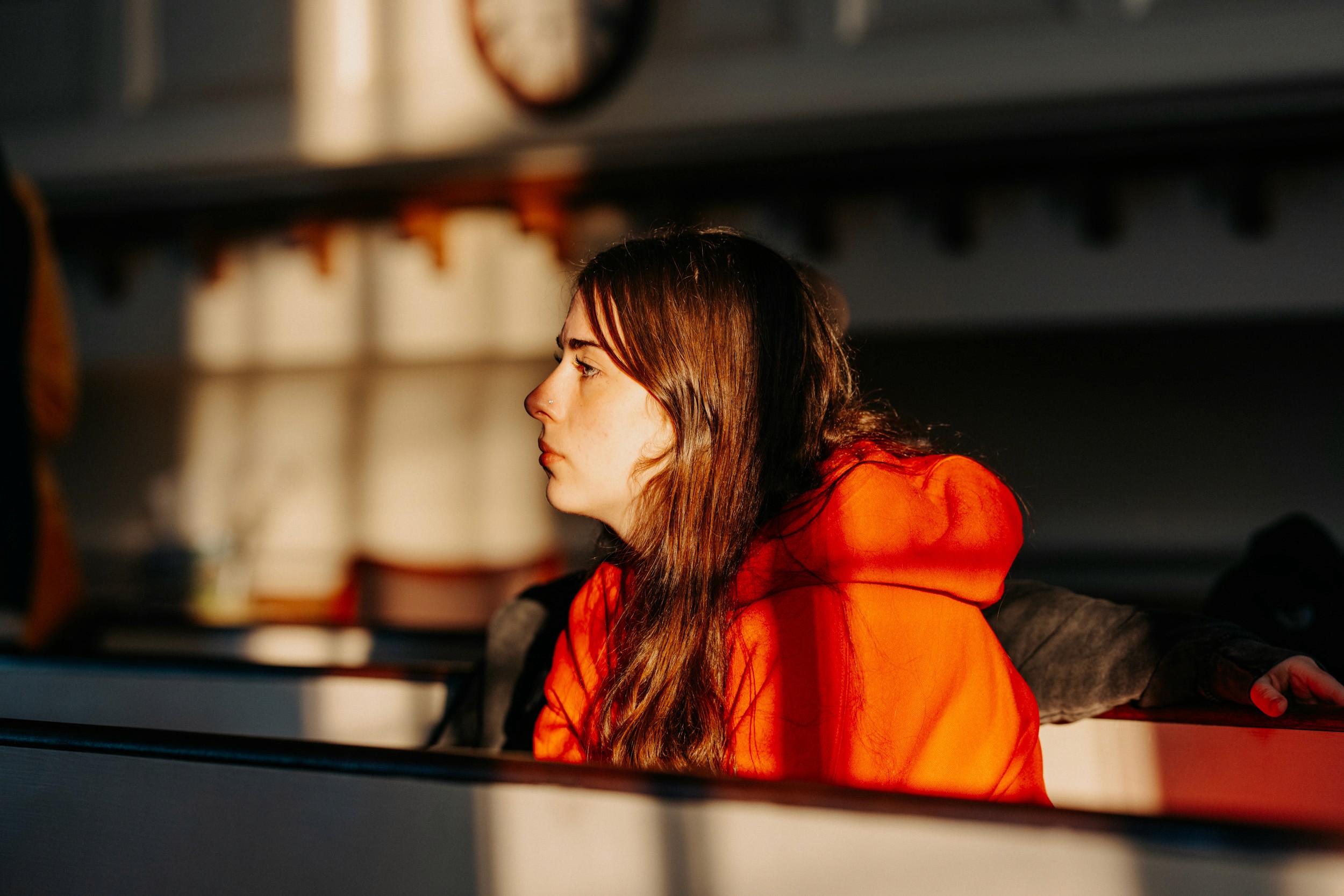
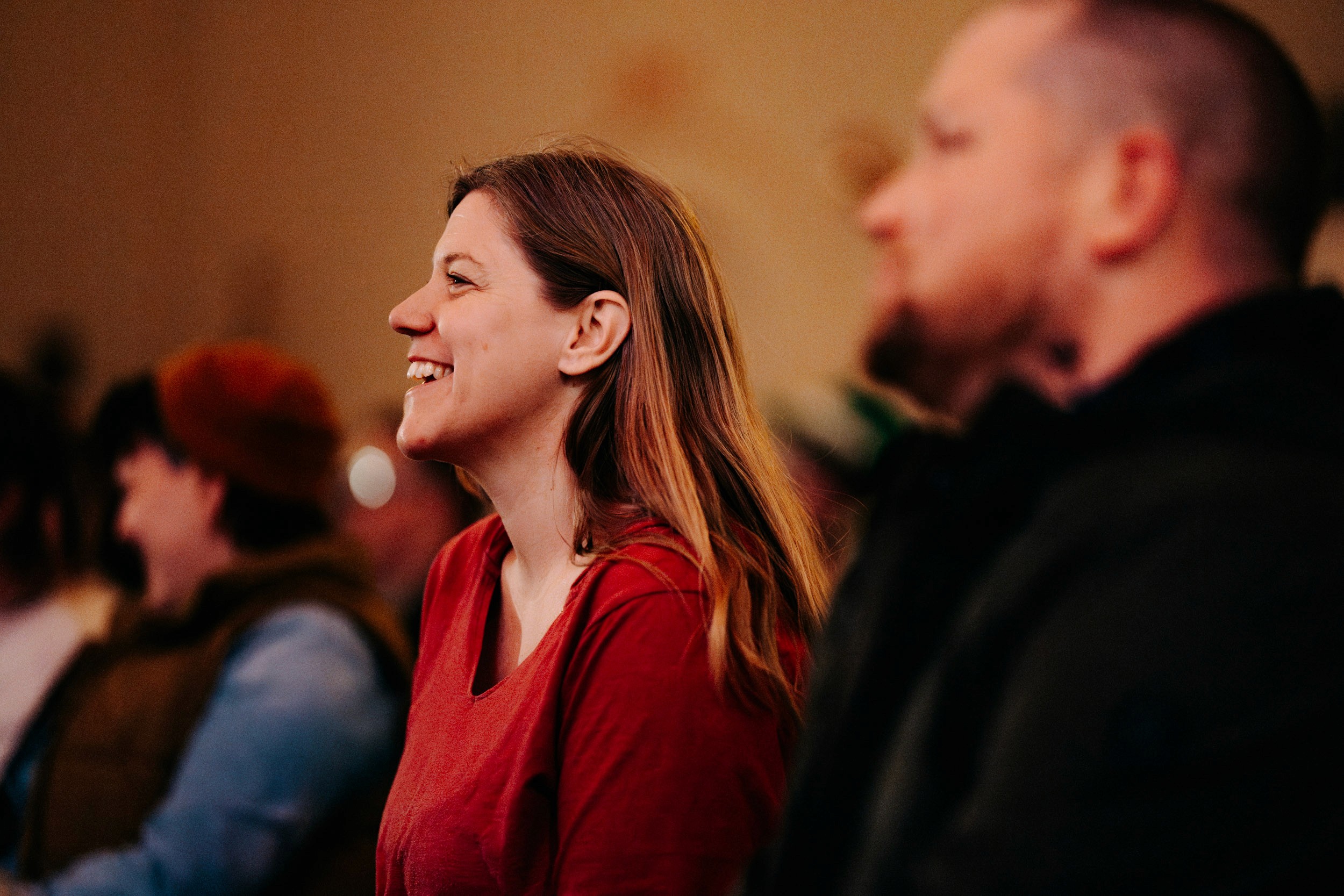
Because you can see it happening in real time. Shoulders drop. Smiles widen. The tension performers usually carry with them starts to fade before they even take the stage.
This isn’t a transactional room. No one is sitting there deciding your worth based on how good you are. You’re not being measured.
You’re being welcomed.
And that shift changes everything.
It means when someone walks up to the mic, they’re not fighting the room. They’re stepping into it. Even the small, human moments feel different. A missed word, a shaky start, a stumble on the way up. Instead of tension, there’s laughter. The kind that says we’ve all been there.
Not laughing at you.
Laughing with you.
Because in a space like this, showing up is already enough.
Reading the Room
Before the first performance, you already knew this one was different.
Anyone who’s ever stepped on stage knows the feeling. Before the mic turns on, before the first word or note, you’re already reading the room.
You look for signals. Are people paying attention? Are they closed off? Distracted? Waiting to be impressed?
At QOM, that question disappears almost immediately.
Before the first performance even begins, people are introducing themselves to strangers. Conversations spill across rows. There’s laughter, small moments of connection, a genuine curiosity about who’s in the room and what they might share. It doesn’t feel like an audience settling in. It feels like a group of people choosing to be there, together.
And that matters more than anything.
Because you can see it happening in real time. Shoulders drop. Smiles widen. The tension performers usually carry with them starts to fade before they even take the stage.
This isn’t a transactional room. No one is sitting there deciding your worth based on how good you are. You’re not being measured.
You’re being welcomed.
And that shift changes everything.
It means when someone walks up to the mic, they’re not fighting the room. They’re stepping into it. Even the small, human moments feel different. A missed word, a shaky start, a stumble on the way up. Instead of tension, there’s laughter. The kind that says we’ve all been there.
Not laughing at you.
Laughing with you.
Because in a space like this, showing up is already enough.
Reading the Room
Before the first performance, you already knew this one was different.
Anyone who’s ever stepped on stage knows the feeling. Before the mic turns on, before the first word or note, you’re already reading the room.
You look for signals. Are people paying attention? Are they closed off? Distracted? Waiting to be impressed?
At QOM, that question disappears almost immediately.
Before the first performance even begins, people are introducing themselves to strangers. Conversations spill across rows. There’s laughter, small moments of connection, a genuine curiosity about who’s in the room and what they might share. It doesn’t feel like an audience settling in. It feels like a group of people choosing to be there, together.
And that matters more than anything.
Because you can see it happening in real time. Shoulders drop. Smiles widen. The tension performers usually carry with them starts to fade before they even take the stage.
This isn’t a transactional room. No one is sitting there deciding your worth based on how good you are. You’re not being measured.
You’re being welcomed.
And that shift changes everything.
It means when someone walks up to the mic, they’re not fighting the room. They’re stepping into it. Even the small, human moments feel different. A missed word, a shaky start, a stumble on the way up. Instead of tension, there’s laughter. The kind that says we’ve all been there.
Not laughing at you.
Laughing with you.
Because in a space like this, showing up is already enough.
The Moment Before You Begin
Where fear meets the decision to go anyway.
“The bravery and vulnerability of each performance kicked me right in the feels.”
— Keela
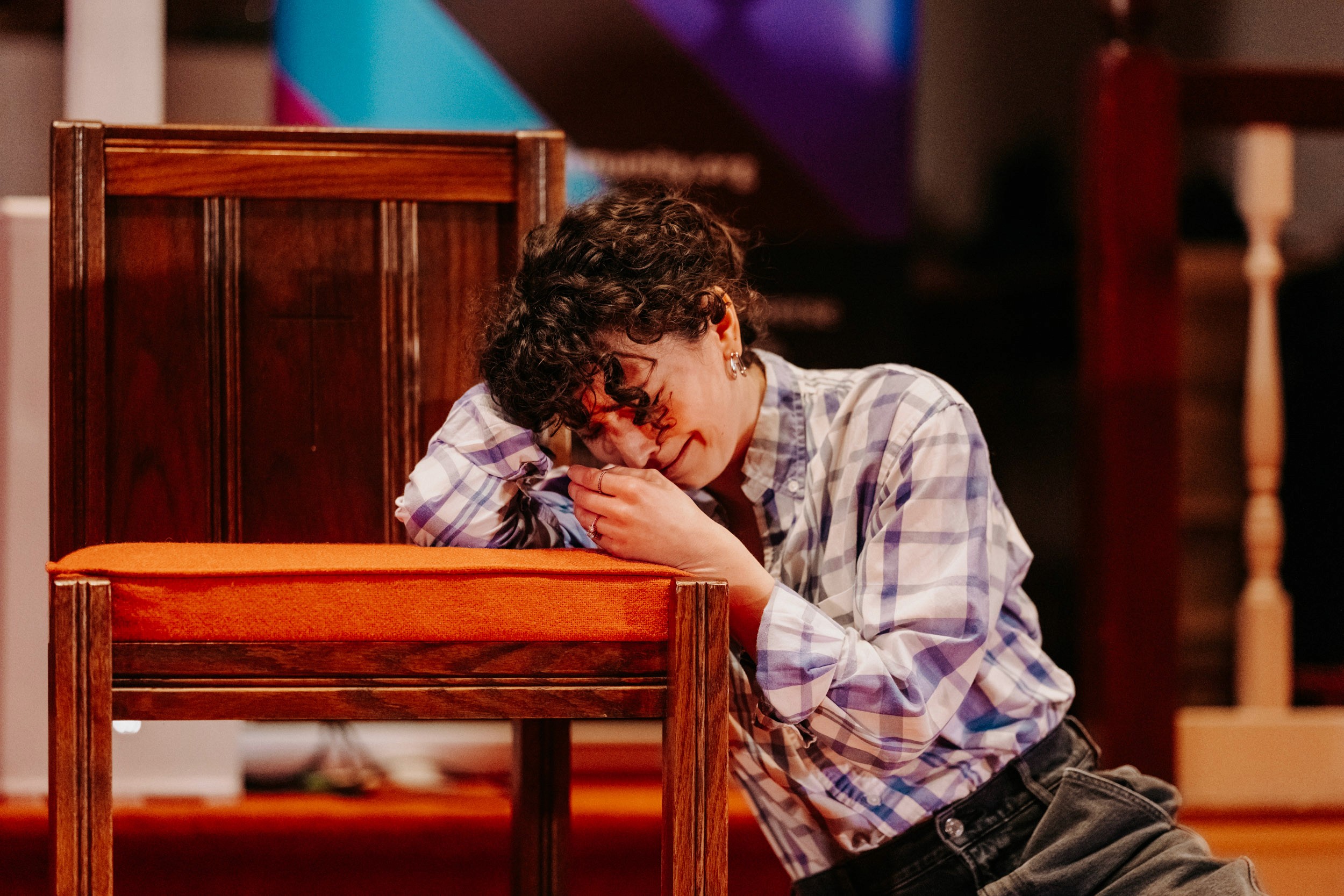
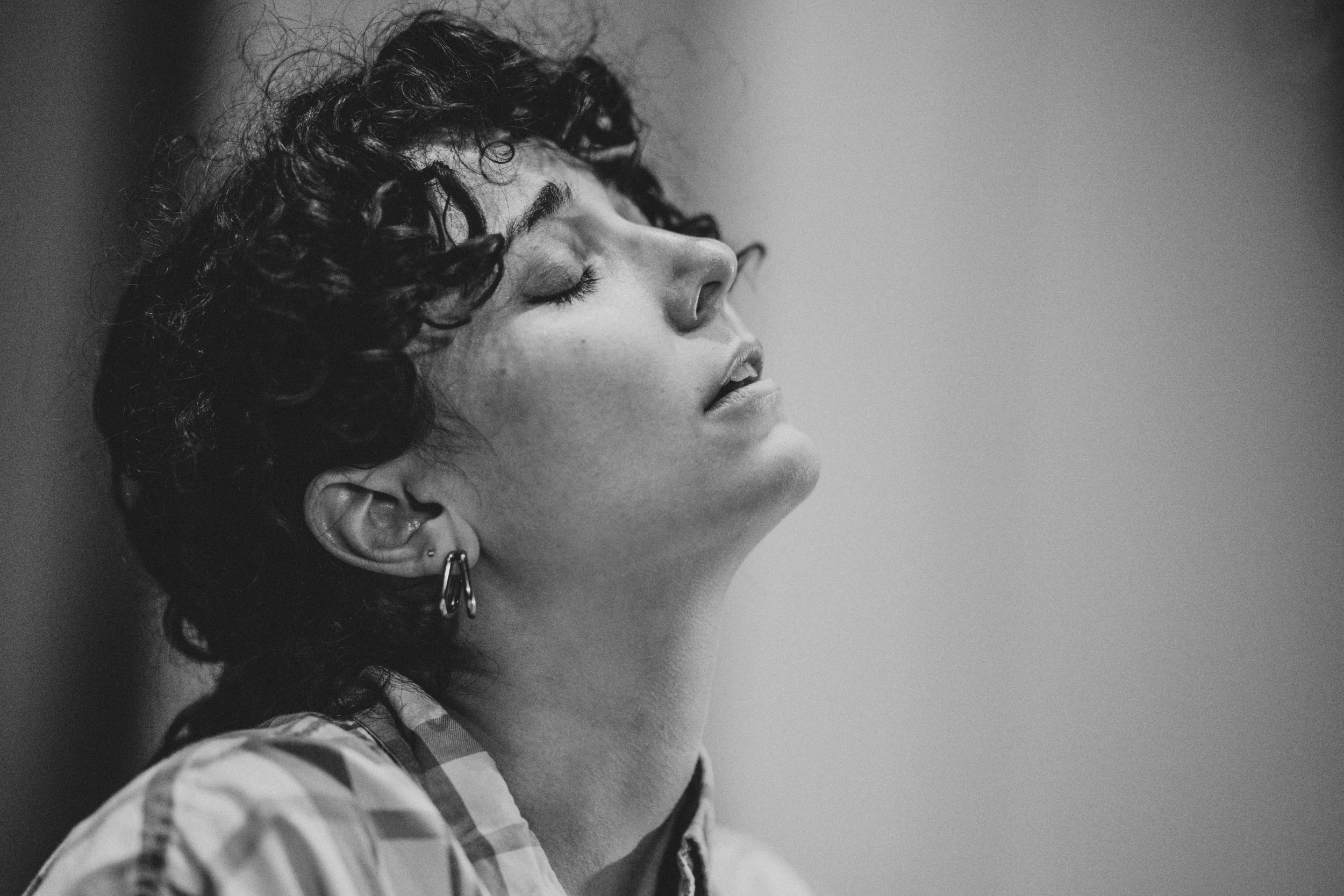
There’s a moment before every performance that most people never see.
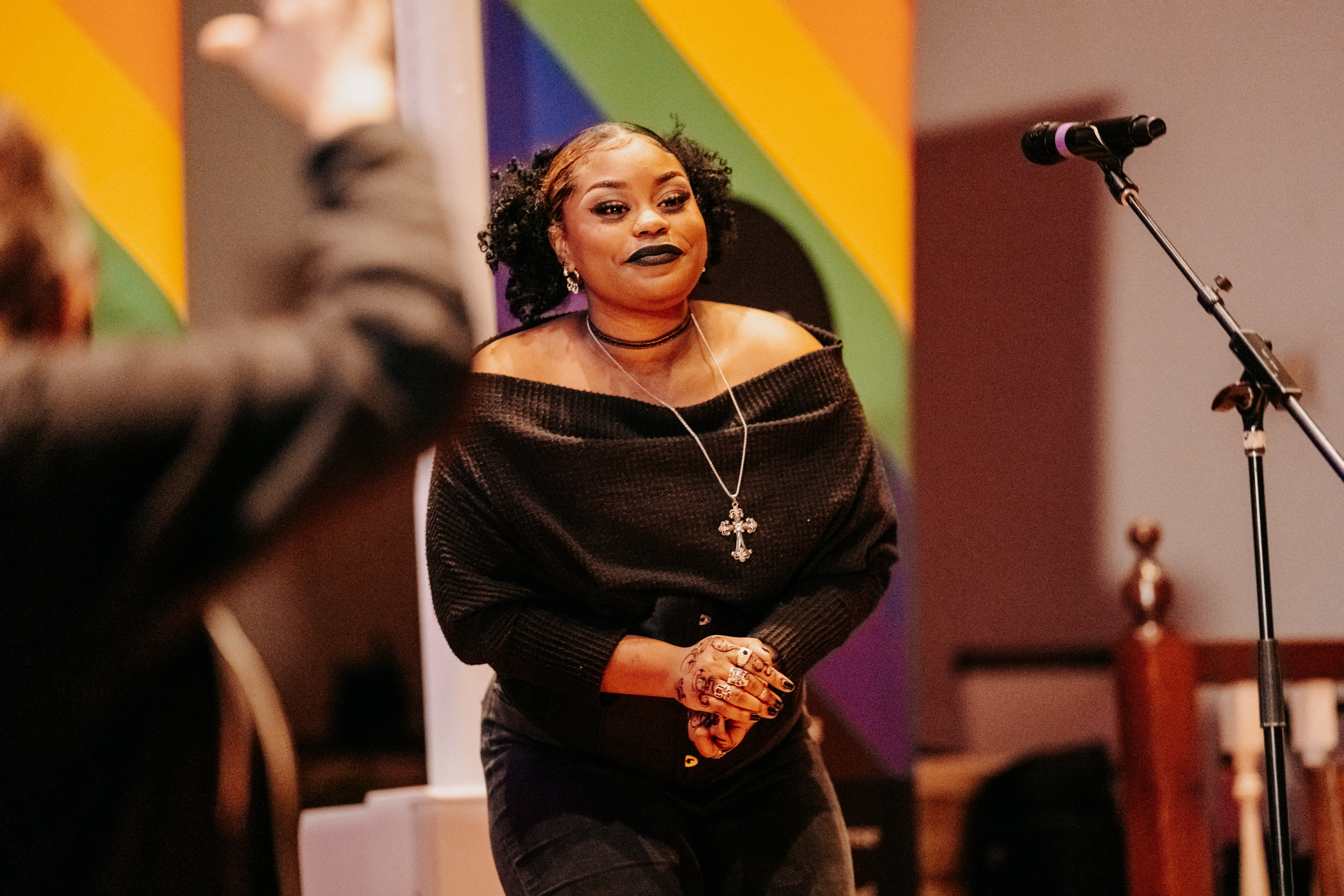
It happens just off to the side of the stage. In a chair. In a quiet breath before your name is called.
Your body knows what’s coming before your mind can rationalize it. Heart racing. Hands tightening. That instinct kicking in, telling you to step back, not forward. To stay safe. To avoid the risk of being seen.
It’s not just nerves. It’s something deeper. Primal. Fight or flight.
And choosing to step onto that stage means choosing to override it.
That alone is worth recognizing.
Because what’s happening at QOM isn’t just performance. It’s people actively pushing through that internal resistance in real time. Saying this matters enough to me that I’m going to do it anyway.
And when they do, the room meets them there.
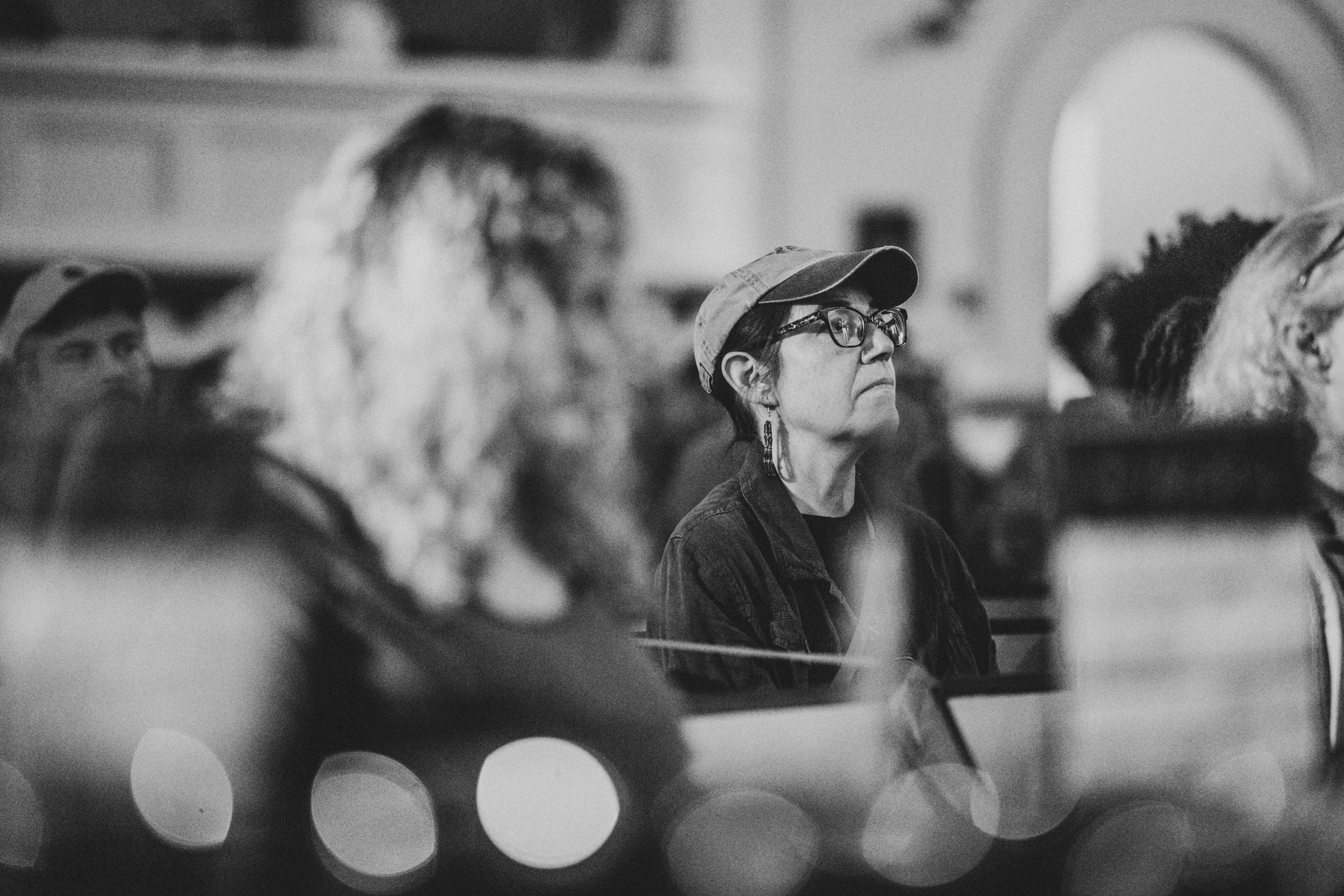
People lean in. They laugh when it’s light. They hold still when it’s heavy. You can feel the attention shift, not as spectators, but as participants in what’s being shared.
And when each performance ends, the response is immediate and real. Loud applause, not out of obligation, but out of respect. For the art, yes. But even more for the courage it took to put it into the room at all.
Because at QOM, it’s understood.
Being seen is the hardest part.
The Moment Before You Begin
Where fear meets the decision to go anyway.
“The bravery and vulnerability of each performance kicked me right in the feels.”
— Keela
There’s a moment before every performance that most people never see.
It happens just off to the side of the stage. In a chair. In a quiet breath before your name is called.
Your body knows what’s coming before your mind can rationalize it. Heart racing. Hands tightening. That instinct kicking in, telling you to step back, not forward. To stay safe. To avoid the risk of being seen.
It’s not just nerves. It’s something deeper. Primal. Fight or flight.
And choosing to step onto that stage means choosing to override it.
That alone is worth recognizing.
Because what’s happening at QOM isn’t just performance. It’s people actively pushing through that internal resistance in real time. Saying this matters enough to me that I’m going to do it anyway.
And when they do, the room meets them there.
People lean in. They laugh when it’s light. They hold still when it’s heavy. You can feel the attention shift, not as spectators, but as participants in what’s being shared.
And when each performance ends, the response is immediate and real. Loud applause, not out of obligation, but out of respect. For the art, yes. But even more for the courage it took to put it into the room at all.
Because at QOM, it’s understood.
Being seen is the hardest part.
The Moment Before You Begin
Where fear meets the decision to go anyway.
“The bravery and vulnerability of each performance kicked me right in the feels.”
— Keela
There’s a moment before every performance that most people never see.
It happens just off to the side of the stage. In a chair. In a quiet breath before your name is called.
Your body knows what’s coming before your mind can rationalize it. Heart racing. Hands tightening. That instinct kicking in, telling you to step back, not forward. To stay safe. To avoid the risk of being seen.
It’s not just nerves. It’s something deeper. Primal. Fight or flight.
And choosing to step onto that stage means choosing to override it.
That alone is worth recognizing.
Because what’s happening at QOM isn’t just performance. It’s people actively pushing through that internal resistance in real time. Saying this matters enough to me that I’m going to do it anyway.
And when they do, the room meets them there.
People lean in. They laugh when it’s light. They hold still when it’s heavy. You can feel the attention shift, not as spectators, but as participants in what’s being shared.
And when each performance ends, the response is immediate and real. Loud applause, not out of obligation, but out of respect. For the art, yes. But even more for the courage it took to put it into the room at all.
Because at QOM, it’s understood.
Being seen is the hardest part.
Having a Place
What it means to be able to express—and to be received.
“Having a place to be open and expressive without judgement is rare for our community and be; has created that space again and again.”
— Mike
That kind of space doesn’t just matter for the people on stage.
It matters for everyone in the room.
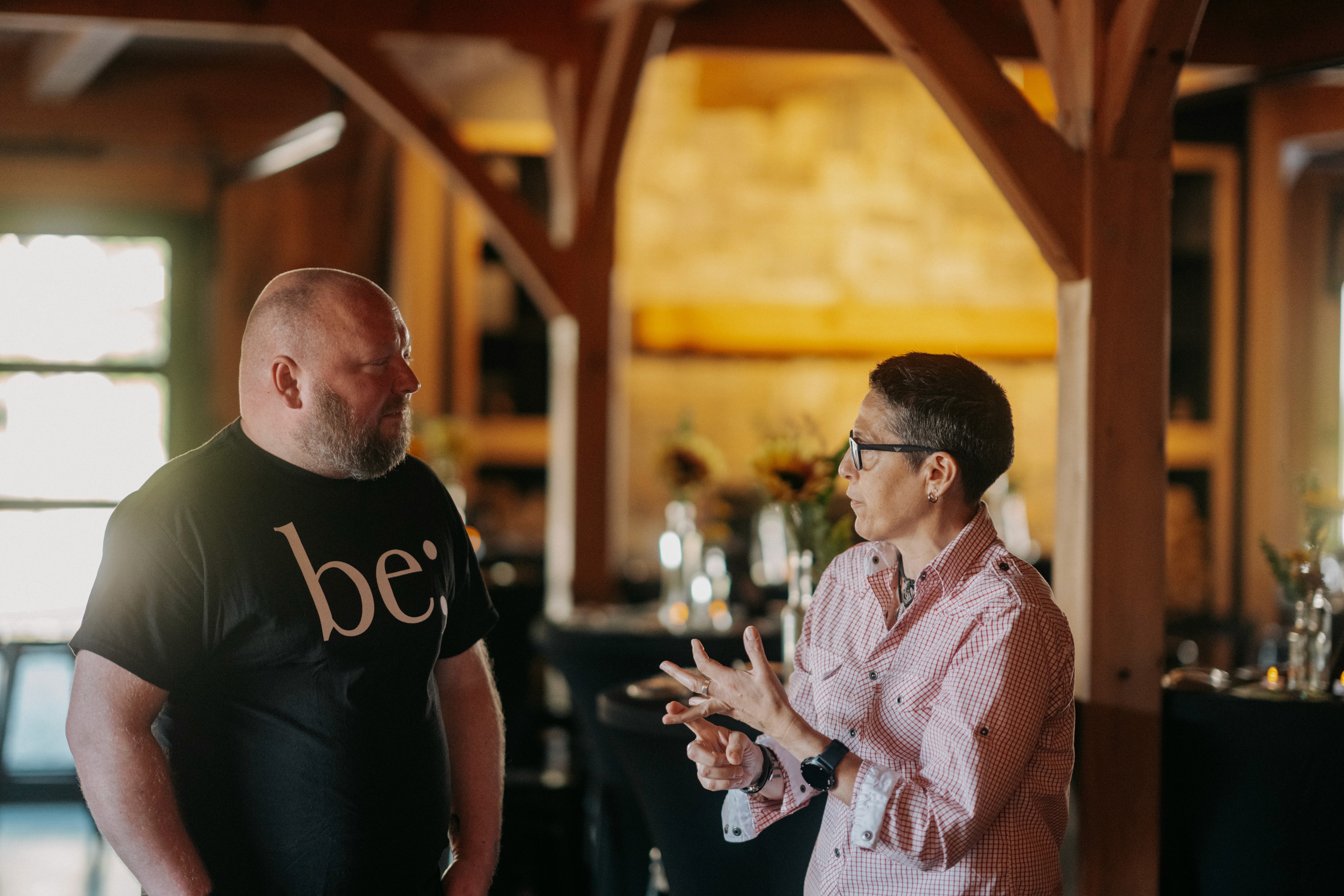
Because expression doesn’t start and end with a microphone. Sometimes it looks like sharing something deeply personal. Sometimes it looks like clapping a little louder than usual. Standing up when something moves you. Letting yourself react honestly instead of holding it in.
And sometimes, it’s quieter than that.
It’s showing up when it would have been easier not to. Sitting in a room where you don’t know anyone and choosing to stay. Letting yourself feel something instead of shutting it down.
For some people, being in the audience is its own kind of bravery.
QOM makes space for all of it. Not just the act of performing, but the act of being present. Of being part of something. Of stepping, even slightly, outside of isolation and into community.
And when that kind of space exists, it allows for work like this to be shared. Not cautiously. Not softened. But fully, and exactly as it was meant to be heard.
Featured Work
“The Bear” — by Mike
She chose the bear because the woods is the only place she will see the bear. It wasn’t a funny coincidence running into you on her hike. Just like it wasn’t cute seeing you at her Starbucks yesterday or her gym on Thursday or that you were parked on her street last night visiting a “friend”.
She chose the bear because growing up I never saw an episode where Yogi touched Boo-Boo inappropriately but still got invited to the family picnic. Never saw them tell 14 year old Boo-Boo to avoid uncle Yogi and maybe don’t wear such short shorts to the party.
She chooses the bear because the bear isn’t sitting in his cave typing to all the other woodland creatures how your body is his birthright. That feminism has robbed him of what he is owed and that men can’t be men anymore. I think the bears manifesto would include more demands for honey.
She chose the bear because death is the worst the bear will offer. He has no cabin in those woods. No basement he designed in which to drag you. No future of billboards, offers of rewards and unanswered questions for the loved ones he took you from.
The bear because with every news report or ripped from the headlines episode of SVU we realize we may never reach the end of the depravity of men but at least Smokey taught us only you can prevent forest fires.
The bear because “not all men” is a more common response of society than “all women have”. And all women have, have a story…or stories of men. The first time she got hit on at work, touched more than was welcome or full on assaulted by “not all men”. She can tell you about the innocent joke that lead to her broken collarbone or the burnt dinner that almost killed her, the party where she thought she had her drink the whole time.
She continues to choose the bear because if a bear attacks you he is hunted down and shot, not offered probation because a promising young bears future shouldn’t be ruined for 20-min of action.
The bear because we can teach them to ride unicycles but can’t be bothered to teach our boys not to assault our girls.
Having a Place
What it means to be able to express—and to be received.
“Having a place to be open and expressive without judgement is rare for our community and be; has created that space again and again.”
— Mike
That kind of space doesn’t just matter for the people on stage.
It matters for everyone in the room.
Because expression doesn’t start and end with a microphone. Sometimes it looks like sharing something deeply personal. Sometimes it looks like clapping a little louder than usual. Standing up when something moves you. Letting yourself react honestly instead of holding it in.
And sometimes, it’s quieter than that.
It’s showing up when it would have been easier not to. Sitting in a room where you don’t know anyone and choosing to stay. Letting yourself feel something instead of shutting it down.
For some people, being in the audience is its own kind of bravery.
QOM makes space for all of it. Not just the act of performing, but the act of being present. Of being part of something. Of stepping, even slightly, outside of isolation and into community.
And when that kind of space exists, it allows for work like this to be shared. Not cautiously. Not softened. But fully, and exactly as it was meant to be heard.
Featured Work
“The Bear” — by Mike
She chose the bear because the woods is the only place she will see the bear. It wasn’t a funny coincidence running into you on her hike. Just like it wasn’t cute seeing you at her Starbucks yesterday or her gym on Thursday or that you were parked on her street last night visiting a “friend”.
She chose the bear because growing up I never saw an episode where Yogi touched Boo-Boo inappropriately but still got invited to the family picnic. Never saw them tell 14 year old Boo-Boo to avoid uncle Yogi and maybe don’t wear such short shorts to the party.
She chooses the bear because the bear isn’t sitting in his cave typing to all the other woodland creatures how your body is his birthright. That feminism has robbed him of what he is owed and that men can’t be men anymore. I think the bears manifesto would include more demands for honey.
She chose the bear because death is the worst the bear will offer. He has no cabin in those woods. No basement he designed in which to drag you. No future of billboards, offers of rewards and unanswered questions for the loved ones he took you from.
The bear because with every news report or ripped from the headlines episode of SVU we realize we may never reach the end of the depravity of men but at least Smokey taught us only you can prevent forest fires.
The bear because “not all men” is a more common response of society than “all women have”. And all women have, have a story…or stories of men. The first time she got hit on at work, touched more than was welcome or full on assaulted by “not all men”. She can tell you about the innocent joke that lead to her broken collarbone or the burnt dinner that almost killed her, the party where she thought she had her drink the whole time.
She continues to choose the bear because if a bear attacks you he is hunted down and shot, not offered probation because a promising young bears future shouldn’t be ruined for 20-min of action.
The bear because we can teach them to ride unicycles but can’t be bothered to teach our boys not to assault our girls.
Having a Place
What it means to be able to express—and to be received.
“Having a place to be open and expressive without judgement is rare for our community and be; has created that space again and again.”
— Mike
That kind of space doesn’t just matter for the people on stage.
It matters for everyone in the room.
Because expression doesn’t start and end with a microphone. Sometimes it looks like sharing something deeply personal. Sometimes it looks like clapping a little louder than usual. Standing up when something moves you. Letting yourself react honestly instead of holding it in.
And sometimes, it’s quieter than that.
It’s showing up when it would have been easier not to. Sitting in a room where you don’t know anyone and choosing to stay. Letting yourself feel something instead of shutting it down.
For some people, being in the audience is its own kind of bravery.
QOM makes space for all of it. Not just the act of performing, but the act of being present. Of being part of something. Of stepping, even slightly, outside of isolation and into community.
And when that kind of space exists, it allows for work like this to be shared. Not cautiously. Not softened. But fully, and exactly as it was meant to be heard.
Featured Work
“The Bear” — by Mike
She chose the bear because the woods is the only place she will see the bear. It wasn’t a funny coincidence running into you on her hike. Just like it wasn’t cute seeing you at her Starbucks yesterday or her gym on Thursday or that you were parked on her street last night visiting a “friend”.
She chose the bear because growing up I never saw an episode where Yogi touched Boo-Boo inappropriately but still got invited to the family picnic. Never saw them tell 14 year old Boo-Boo to avoid uncle Yogi and maybe don’t wear such short shorts to the party.
She chooses the bear because the bear isn’t sitting in his cave typing to all the other woodland creatures how your body is his birthright. That feminism has robbed him of what he is owed and that men can’t be men anymore. I think the bears manifesto would include more demands for honey.
She chose the bear because death is the worst the bear will offer. He has no cabin in those woods. No basement he designed in which to drag you. No future of billboards, offers of rewards and unanswered questions for the loved ones he took you from.
The bear because with every news report or ripped from the headlines episode of SVU we realize we may never reach the end of the depravity of men but at least Smokey taught us only you can prevent forest fires.
The bear because “not all men” is a more common response of society than “all women have”. And all women have, have a story…or stories of men. The first time she got hit on at work, touched more than was welcome or full on assaulted by “not all men”. She can tell you about the innocent joke that lead to her broken collarbone or the burnt dinner that almost killed her, the party where she thought she had her drink the whole time.
She continues to choose the bear because if a bear attacks you he is hunted down and shot, not offered probation because a promising young bears future shouldn’t be ruined for 20-min of action.
The bear because we can teach them to ride unicycles but can’t be bothered to teach our boys not to assault our girls.
Shared Experience
When something personal becomes something held by the room.
“Performing ‘Rewriting the Inheritance’ at the be; community’s Queer Open Mic night will forever stay with me…”
— Josie
Every person in that room walked in carrying something.
Different lives. Different histories. Different things they’re working through, holding onto, or trying to understand. Some visible, most not.
And for a few hours, all of those lives overlapped in the same space.
You could see it happening in real time.
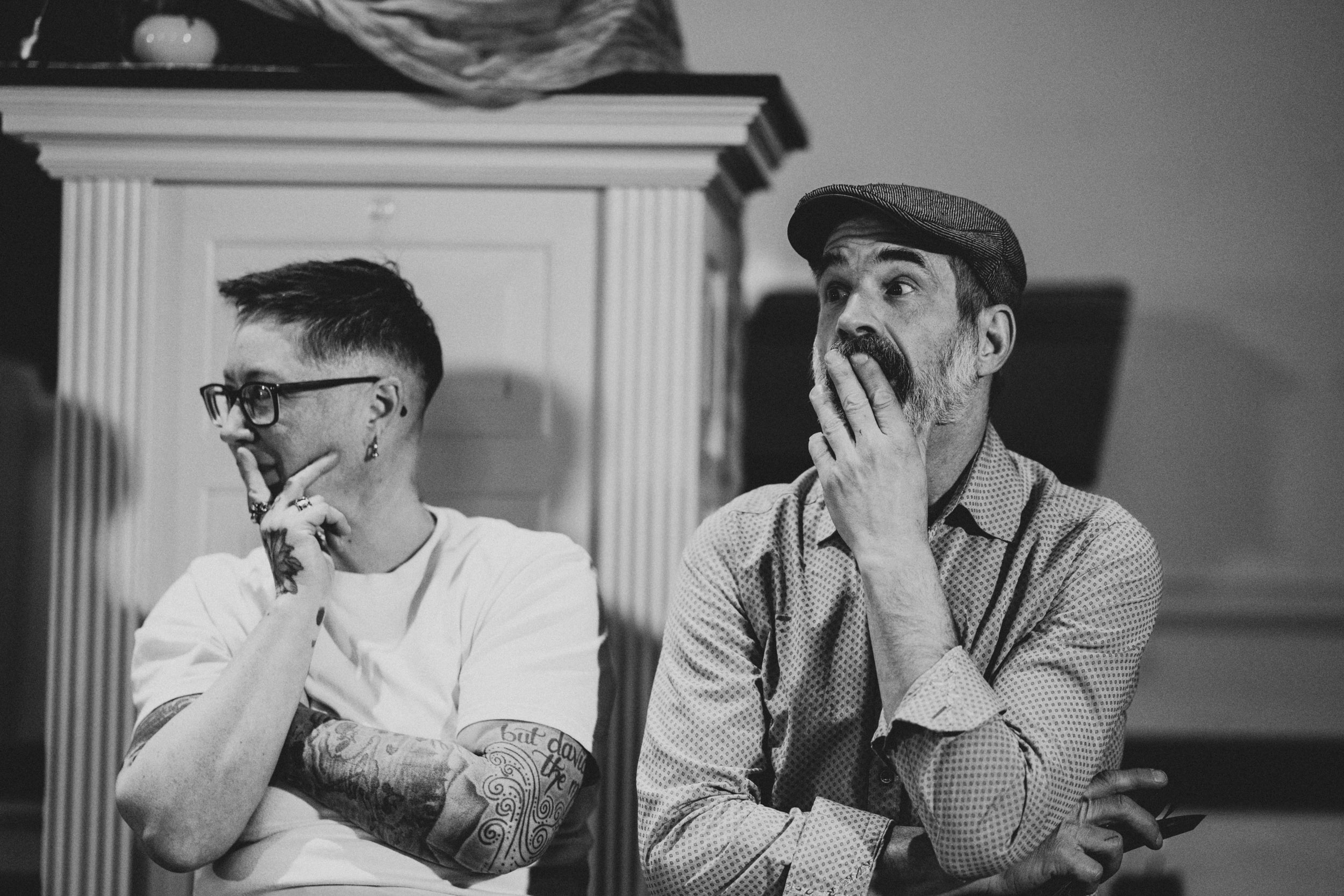
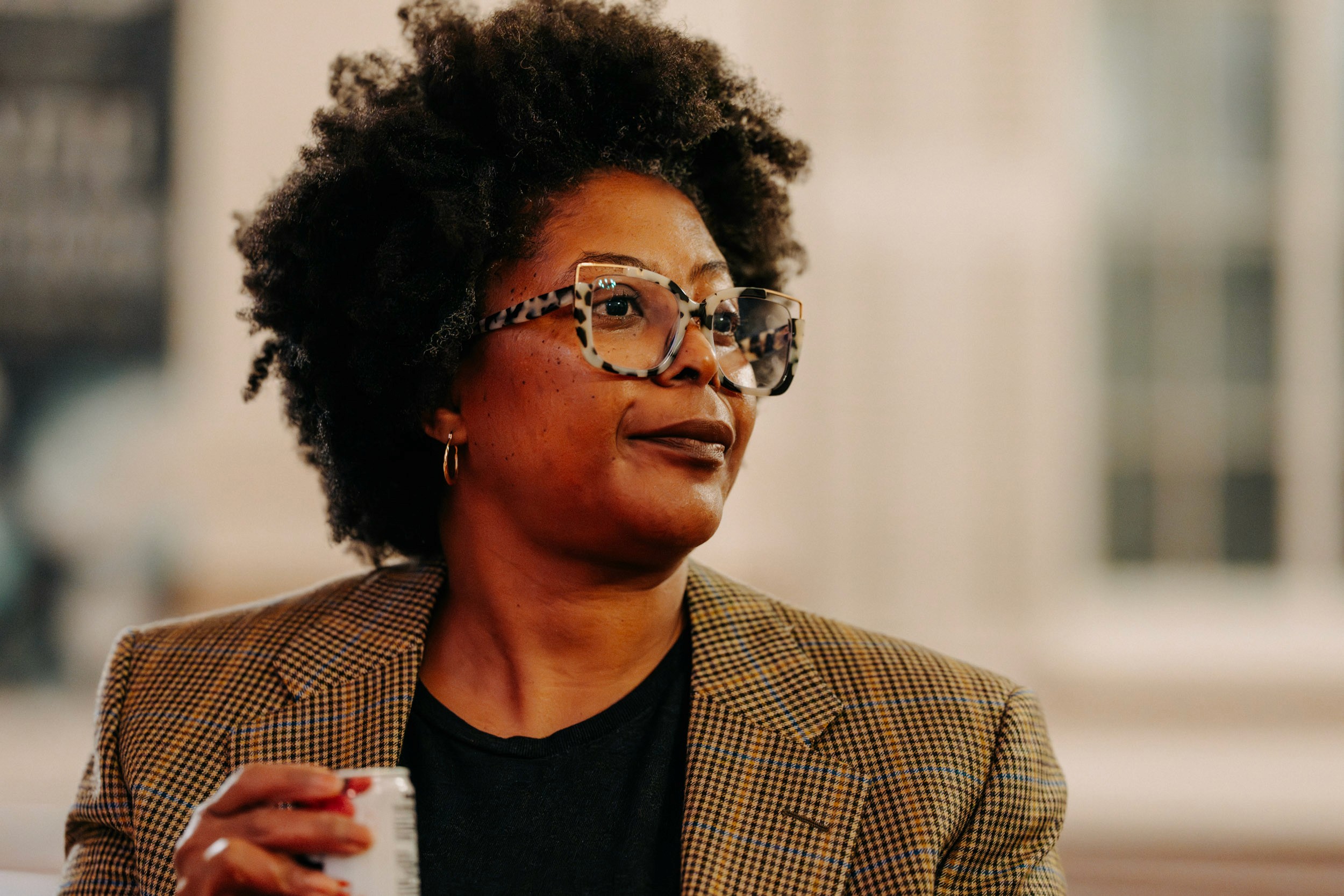
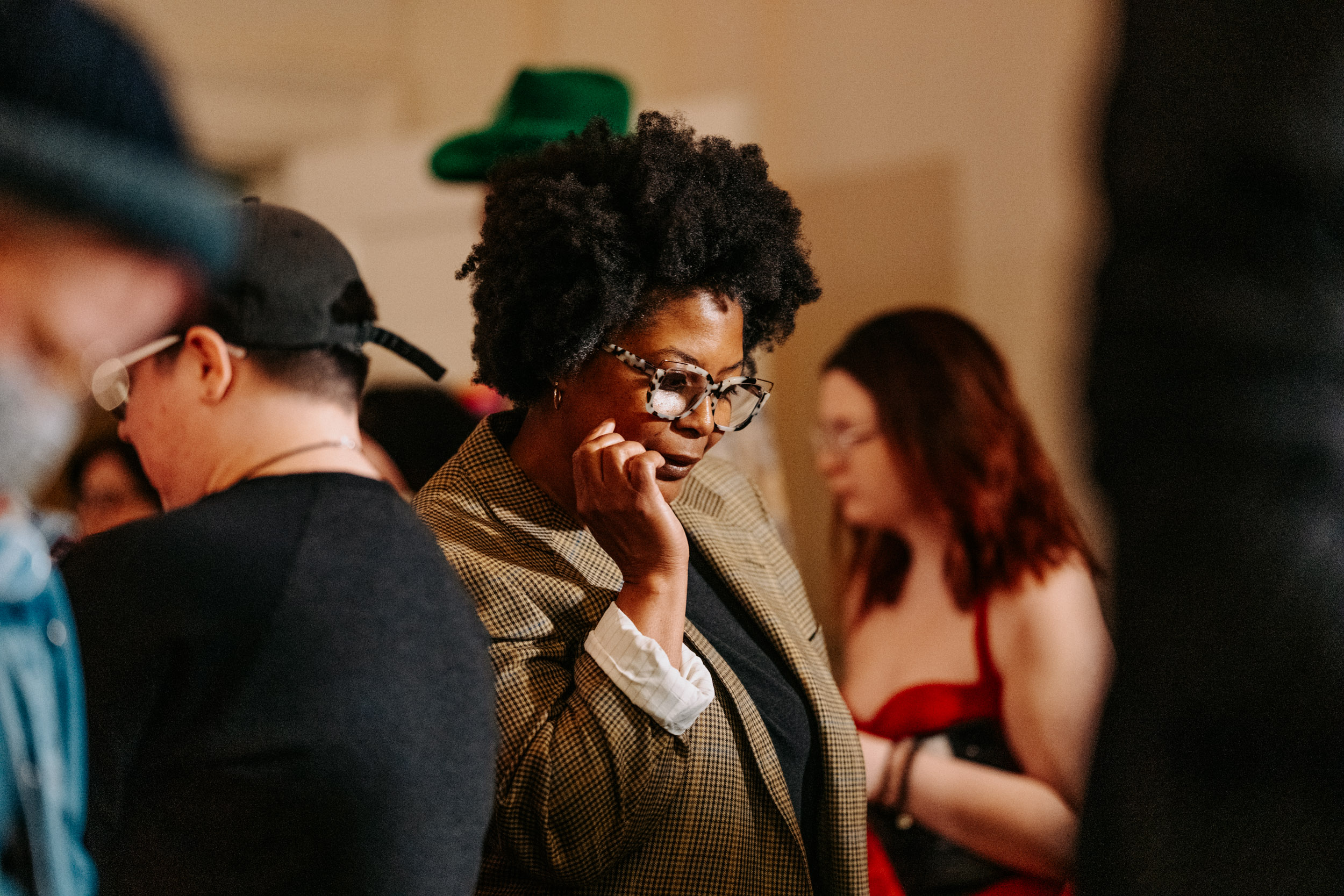
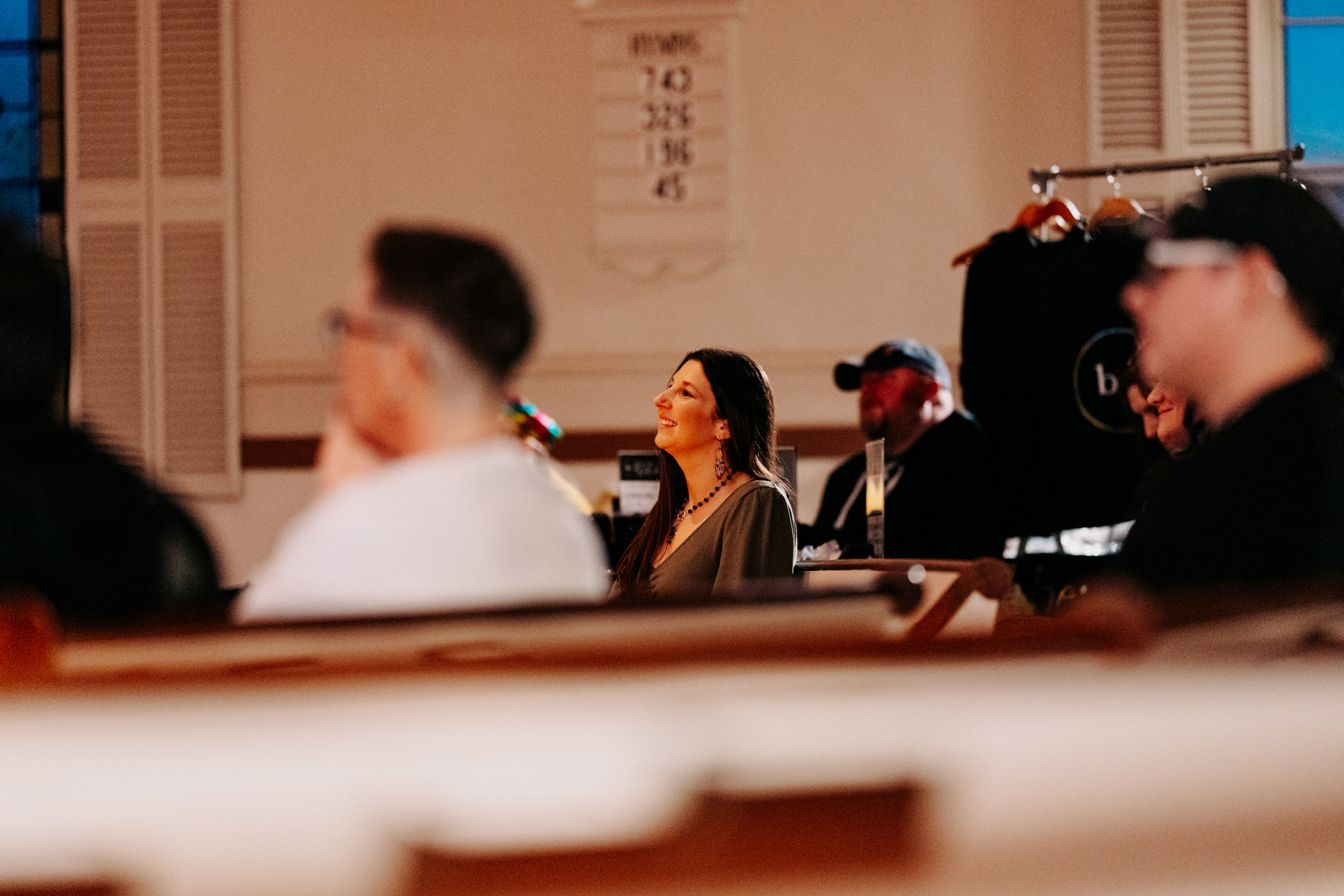
A room that was lively moments before grows still. Someone shifts in their seat. A hand comes up to a face. People stop looking around and start focusing in. The kind of quiet that isn’t empty, it’s full.
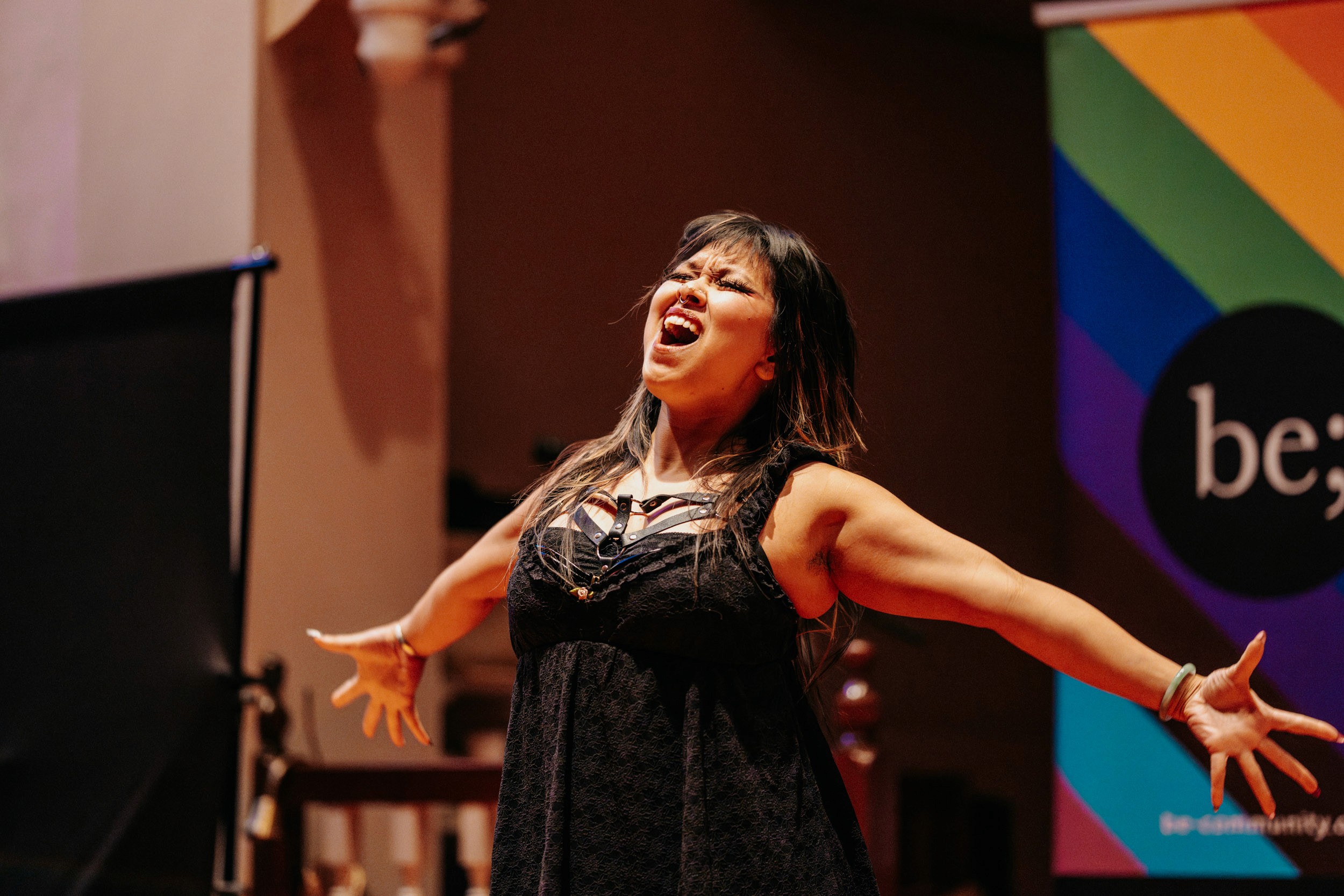
When the piece ends, there’s a beat. Then applause that feels different. Heavier. More intentional. People aren’t just reacting. They’re acknowledging what was just shared, and the courage it took to share it.
And for a moment, everyone is in the same place together.
Not because they lived the same experience, but because they recognized something in it. Something human. Something familiar in a way that doesn’t need to be explained.
And that’s the kind of space be; is creating.
One where people — whether they’re LGBTQIA+, allies, on the spectrum, or neurotypical — can come together and not be defined by any one thing. Just people in a room, showing up, having a good time, and knowing they can do that without hesitation.
Featured Work
“Rewriting the Inheritance” — by Josie
Raised in a regime that silences all, where questions are treason, and obedience is worship.
Some inheritances are wounds. Some traditions are cages. I inherited the grief of ancestors long lost.
Customs passed down I wish could be tossed. Elders stare down in dismay. How dare you not believe?
They tell me respect means pride. But I refuse to be consumed by a family of vultures.
I hate the leaders who abuse then wrap themselves in the cloth of culture.
They silence their women. They sell the child. Yet want to be seen as victims.
We turn the other cheek until terror goes quiet, until trauma goes dormant like a storm buried beneath the skin.
Men of the cloth condemn attire and identity the hypocrisy runs wild.
While they preach morality. While damning the way a body moves through the world.
They quote from a sacred book but never from the ledger of the lives that they took.
It all happens behind locked doors. Sometimes we see it. Sometimes we know.
But we whisper: They are sovereign. Nothing to see. Human rights vanish while the world becomes protective.
Shielding them with the rights of their victims.
So, we bow our heads. Call it freedom of religion. Say a prayer for the children and the women they take.
Publicly denouncing the gender non-conforming damned for the courage of living honestly in their skin.
Women beaten. Children silenced until they’re erased. And the world answers with excuses.
I question a morality that calls identity a fraud. While doctrine becomes armor for every crime they commit.
Maybe the problem is not just faith. Not just tradition. Maybe it is our fear of confronting power. Because power does not fall gently. We may have to let it crumble. Brick by sacred brick.
We may have to rebuild the institutions we were taught never to question.
Because justice cannot breathe in a house built on the bodies of the innocent. Truth begins when we stop protecting the powerful. And choose, instead, to protect the victims.
So, if my healing looks like a revolt, if my freedom sounds like a curse, let it be known, I did not abandon tradition. I ended the confusion.
I simply refused to repeat the abuse.
And instead I chose to rewrite the inheritance.
Shared Experience
When something personal becomes something held by the room.
“Performing ‘Rewriting the Inheritance’ at the be; community’s Queer Open Mic night will forever stay with me…”
— Josie
Every person in that room walked in carrying something.
Different lives. Different histories. Different things they’re working through, holding onto, or trying to understand. Some visible, most not.
And for a few hours, all of those lives overlapped in the same space.
You could see it happening in real time.
A room that was lively moments before grows still. Someone shifts in their seat. A hand comes up to a face. People stop looking around and start focusing in. The kind of quiet that isn’t empty, it’s full.
When the piece ends, there’s a beat. Then applause that feels different. Heavier. More intentional. People aren’t just reacting. They’re acknowledging what was just shared, and the courage it took to share it.
And for a moment, everyone is in the same place together.
Not because they lived the same experience, but because they recognized something in it. Something human. Something familiar in a way that doesn’t need to be explained.
And that’s the kind of space be; is creating.
One where people — whether they’re LGBTQIA+, allies, on the spectrum, or neurotypical — can come together and not be defined by any one thing. Just people in a room, showing up, having a good time, and knowing they can do that without hesitation.
Featured Work
“Rewriting the Inheritance” — by Josie
Raised in a regime that silences all, where questions are treason, and obedience is worship.
Some inheritances are wounds. Some traditions are cages. I inherited the grief of ancestors long lost.
Customs passed down I wish could be tossed. Elders stare down in dismay. How dare you not believe?
They tell me respect means pride. But I refuse to be consumed by a family of vultures.
I hate the leaders who abuse then wrap themselves in the cloth of culture.
They silence their women. They sell the child. Yet want to be seen as victims.
We turn the other cheek until terror goes quiet, until trauma goes dormant like a storm buried beneath the skin.
Men of the cloth condemn attire and identity the hypocrisy runs wild.
While they preach morality. While damning the way a body moves through the world.
They quote from a sacred book but never from the ledger of the lives that they took.
It all happens behind locked doors. Sometimes we see it. Sometimes we know.
But we whisper: They are sovereign. Nothing to see. Human rights vanish while the world becomes protective.
Shielding them with the rights of their victims.
So, we bow our heads. Call it freedom of religion. Say a prayer for the children and the women they take.
Publicly denouncing the gender non-conforming damned for the courage of living honestly in their skin.
Women beaten. Children silenced until they’re erased. And the world answers with excuses.
I question a morality that calls identity a fraud. While doctrine becomes armor for every crime they commit.
Maybe the problem is not just faith. Not just tradition. Maybe it is our fear of confronting power. Because power does not fall gently. We may have to let it crumble. Brick by sacred brick.
We may have to rebuild the institutions we were taught never to question.
Because justice cannot breathe in a house built on the bodies of the innocent. Truth begins when we stop protecting the powerful. And choose, instead, to protect the victims.
So, if my healing looks like a revolt, if my freedom sounds like a curse, let it be known, I did not abandon tradition. I ended the confusion.
I simply refused to repeat the abuse.
And instead I chose to rewrite the inheritance.
Shared Experience
When something personal becomes something held by the room.
“Performing ‘Rewriting the Inheritance’ at the be; community’s Queer Open Mic night will forever stay with me…”
— Josie
Every person in that room walked in carrying something.
Different lives. Different histories. Different things they’re working through, holding onto, or trying to understand. Some visible, most not.
And for a few hours, all of those lives overlapped in the same space.
You could see it happening in real time.
A room that was lively moments before grows still. Someone shifts in their seat. A hand comes up to a face. People stop looking around and start focusing in. The kind of quiet that isn’t empty, it’s full.
When the piece ends, there’s a beat. Then applause that feels different. Heavier. More intentional. People aren’t just reacting. They’re acknowledging what was just shared, and the courage it took to share it.
And for a moment, everyone is in the same place together.
Not because they lived the same experience, but because they recognized something in it. Something human. Something familiar in a way that doesn’t need to be explained.
And that’s the kind of space be; is creating.
One where people — whether they’re LGBTQIA+, allies, on the spectrum, or neurotypical — can come together and not be defined by any one thing. Just people in a room, showing up, having a good time, and knowing they can do that without hesitation.
Featured Work
“Rewriting the Inheritance” — by Josie
Raised in a regime that silences all, where questions are treason, and obedience is worship.
Some inheritances are wounds. Some traditions are cages. I inherited the grief of ancestors long lost.
Customs passed down I wish could be tossed. Elders stare down in dismay. How dare you not believe?
They tell me respect means pride. But I refuse to be consumed by a family of vultures.
I hate the leaders who abuse then wrap themselves in the cloth of culture.
They silence their women. They sell the child. Yet want to be seen as victims.
We turn the other cheek until terror goes quiet, until trauma goes dormant like a storm buried beneath the skin.
Men of the cloth condemn attire and identity the hypocrisy runs wild.
While they preach morality. While damning the way a body moves through the world.
They quote from a sacred book but never from the ledger of the lives that they took.
It all happens behind locked doors. Sometimes we see it. Sometimes we know.
But we whisper: They are sovereign. Nothing to see. Human rights vanish while the world becomes protective.
Shielding them with the rights of their victims.
So, we bow our heads. Call it freedom of religion. Say a prayer for the children and the women they take.
Publicly denouncing the gender non-conforming damned for the courage of living honestly in their skin.
Women beaten. Children silenced until they’re erased. And the world answers with excuses.
I question a morality that calls identity a fraud. While doctrine becomes armor for every crime they commit.
Maybe the problem is not just faith. Not just tradition. Maybe it is our fear of confronting power. Because power does not fall gently. We may have to let it crumble. Brick by sacred brick.
We may have to rebuild the institutions we were taught never to question.
Because justice cannot breathe in a house built on the bodies of the innocent. Truth begins when we stop protecting the powerful. And choose, instead, to protect the victims.
So, if my healing looks like a revolt, if my freedom sounds like a curse, let it be known, I did not abandon tradition. I ended the confusion.
I simply refused to repeat the abuse.
And instead I chose to rewrite the inheritance.
What Stays With You
What lingers after the room empties.
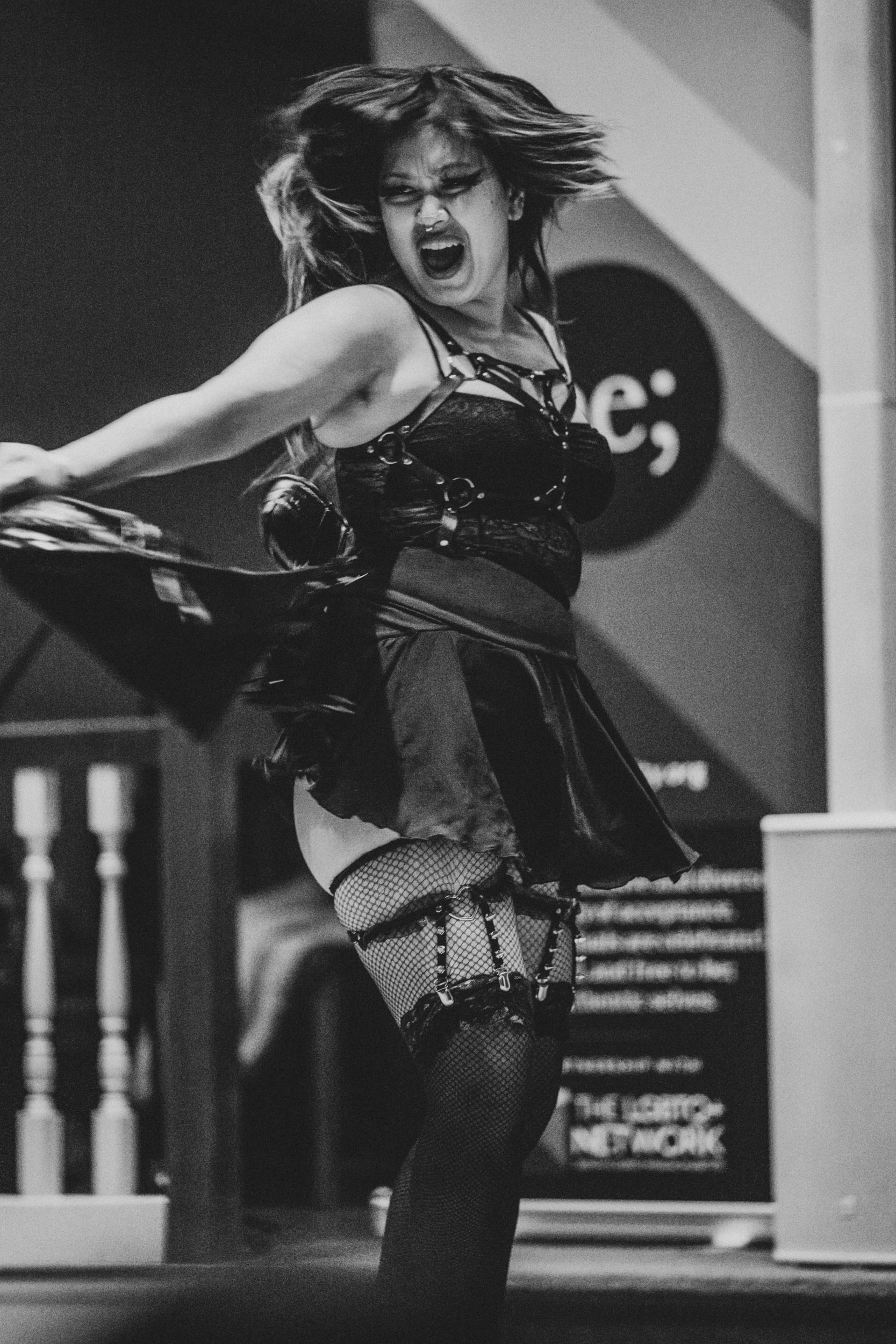
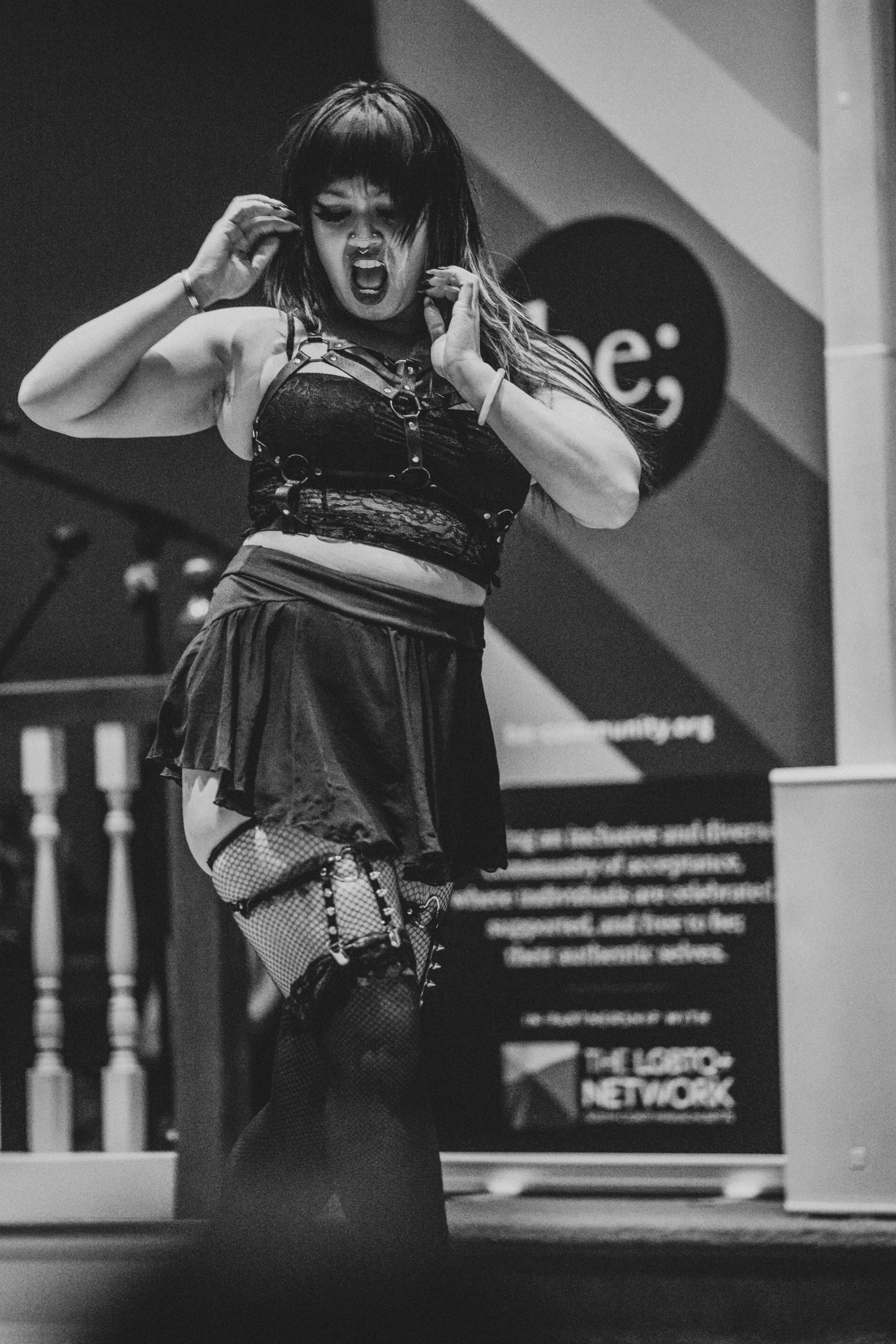
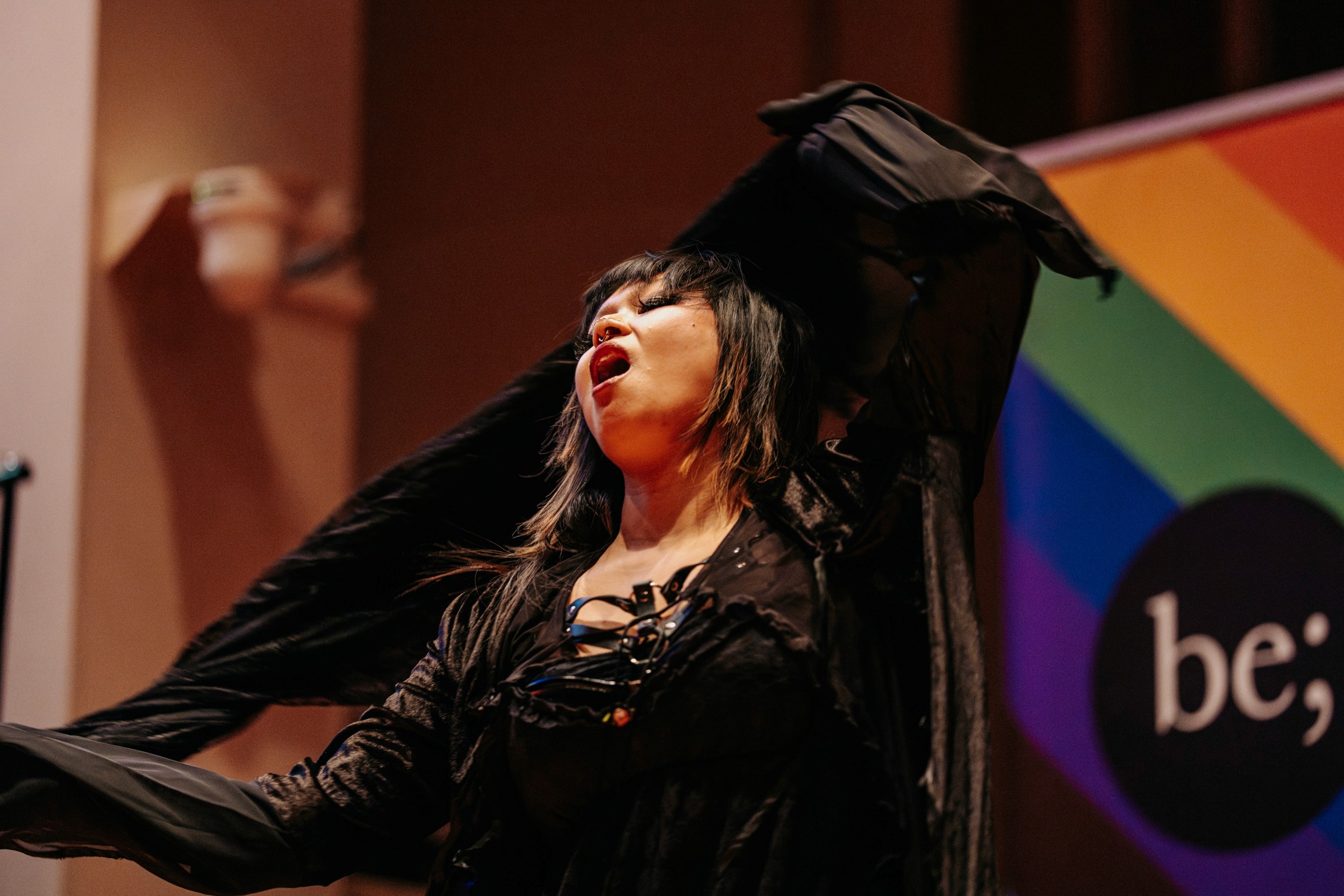
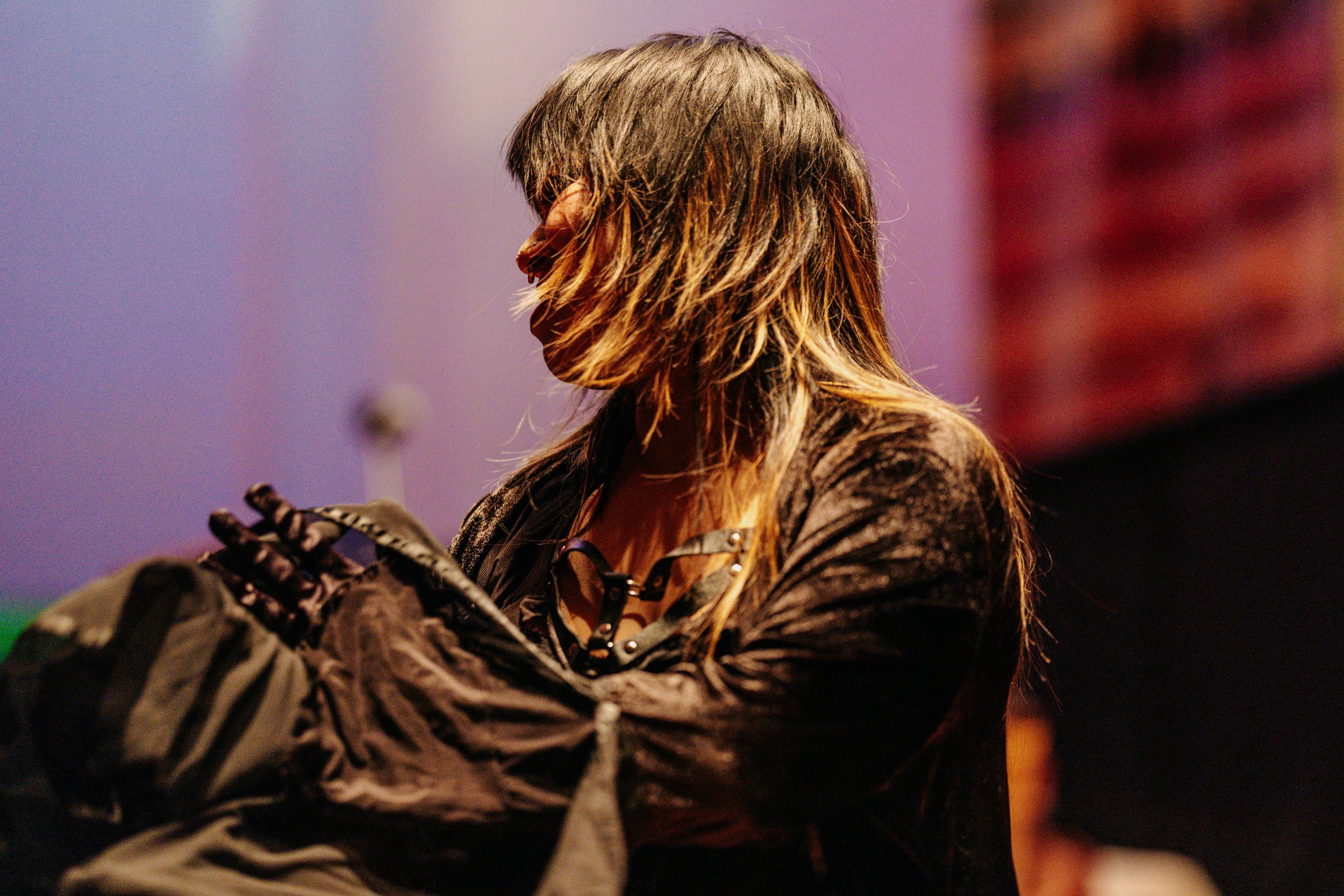
“My heart is full! So grateful to be able to perform with the be; collective…”
— Sheona
The night doesn’t really end when the performances do.
It carries forward. In conversations. In the way people linger a little longer than expected. In the feeling that something meaningful happened and no one is in a rush to leave it behind.
And that’s part of what makes a space like this work.
Because it’s not just for first-timers finding their footing. It’s also for people who already know their craft. People who have performed before, who are working through new material, refining something, or simply looking for a room that will meet them where they are.
That kind of room is hard to find.
Most spaces ask you to prove something. To win people over. To earn your place on the stage.
QOM starts from a different place.
The audience is already with you.
They’re paying attention. They’re invested. They’re open. Which means performers can spend less energy trying to win the room and more time doing what they came to do — explore, test, refine, or simply perform in front of people who care.
And if you’ve ever thought, I don’t know if a space like this is for me, it probably is.
If you have something you’ve been working on, something you’ve been sitting with, or something you’ve been waiting for the right room to share — this is that room.
Not because it’s perfect.
But because the people in it make it worth stepping into.
Follow Sheona and all of her work on her LinkTree.
What Stays With You
What lingers after the room empties.
“My heart is full! So grateful to be able to perform with the be; collective…”
— Sheona
The night doesn’t really end when the performances do.
It carries forward. In conversations. In the way people linger a little longer than expected. In the feeling that something meaningful happened and no one is in a rush to leave it behind.
And that’s part of what makes a space like this work.
Because it’s not just for first-timers finding their footing. It’s also for people who already know their craft. People who have performed before, who are working through new material, refining something, or simply looking for a room that will meet them where they are.
That kind of room is hard to find.
Most spaces ask you to prove something. To win people over. To earn your place on the stage.
QOM starts from a different place.
The audience is already with you.
They’re paying attention. They’re invested. They’re open. Which means performers can spend less energy trying to win the room and more time doing what they came to do — explore, test, refine, or simply perform in front of people who care.
And if you’ve ever thought, I don’t know if a space like this is for me, it probably is.
If you have something you’ve been working on, something you’ve been sitting with, or something you’ve been waiting for the right room to share — this is that room.
Not because it’s perfect.
But because the people in it make it worth stepping into.
Follow Sheona and all of her work on her LinkTree.
What Stays With You
What lingers after the room empties.
“My heart is full! So grateful to be able to perform with the be; collective…”
— Sheona
The night doesn’t really end when the performances do.
It carries forward. In conversations. In the way people linger a little longer than expected. In the feeling that something meaningful happened and no one is in a rush to leave it behind.
And that’s part of what makes a space like this work.
Because it’s not just for first-timers finding their footing. It’s also for people who already know their craft. People who have performed before, who are working through new material, refining something, or simply looking for a room that will meet them where they are.
That kind of room is hard to find.
Most spaces ask you to prove something. To win people over. To earn your place on the stage.
QOM starts from a different place.
The audience is already with you.
They’re paying attention. They’re invested. They’re open. Which means performers can spend less energy trying to win the room and more time doing what they came to do — explore, test, refine, or simply perform in front of people who care.
And if you’ve ever thought, I don’t know if a space like this is for me, it probably is.
If you have something you’ve been working on, something you’ve been sitting with, or something you’ve been waiting for the right room to share — this is that room.
Not because it’s perfect.
But because the people in it make it worth stepping into.
Follow Sheona and all of her work on her LinkTree.
A Space That Holds
Why this matters beyond one night.
Spaces like this don’t happen by accident.
They’re built intentionally. Protected intentionally. Supported intentionally.
What happens inside a room like this might only last a few hours, but what it creates carries forward. In the people who stepped on stage and pushed through that moment before they began. In the audience who showed up, leaned in, and made space for it. In the connections that continue after the room clears out.
That’s how something small becomes something lasting.
QOM is a reflection of that. A space where someone can try something for the first time. Where someone else can refine something they’ve been working on. Where people can walk in not knowing anyone and leave feeling like they were part of something.
That doesn’t happen without support.
Supporting spaces like this means supporting the artists who are willing to share, the organizers who create the environment, and the community that shows up to hold it together.
Events like QOM are able to exist because of that support. In this case, through the Massachusetts Cultural Council and the Creative Experiences Grant, which helps make nights like this accessible and sustainable.
And it doesn’t take much to be part of that.
It can look like showing up. Following along. Sharing what you experienced. Or contributing directly to help keep spaces like this going.
If this is the kind of space you want to see more of — spaces where people can step forward, be met with support, and create something meaningful together — consider supporting be;.
Become a subscriber. Make a one-time donation. Share their work. Help extend the reach of what’s being built here.
A Space That Holds
Why this matters beyond one night.
Spaces like this don’t happen by accident.
They’re built intentionally. Protected intentionally. Supported intentionally.
What happens inside a room like this might only last a few hours, but what it creates carries forward. In the people who stepped on stage and pushed through that moment before they began. In the audience who showed up, leaned in, and made space for it. In the connections that continue after the room clears out.
That’s how something small becomes something lasting.
QOM is a reflection of that. A space where someone can try something for the first time. Where someone else can refine something they’ve been working on. Where people can walk in not knowing anyone and leave feeling like they were part of something.
That doesn’t happen without support.
Supporting spaces like this means supporting the artists who are willing to share, the organizers who create the environment, and the community that shows up to hold it together.
Events like QOM are able to exist because of that support. In this case, through the Massachusetts Cultural Council and the Creative Experiences Grant, which helps make nights like this accessible and sustainable.
And it doesn’t take much to be part of that.
It can look like showing up. Following along. Sharing what you experienced. Or contributing directly to help keep spaces like this going.
If this is the kind of space you want to see more of — spaces where people can step forward, be met with support, and create something meaningful together — consider supporting be;.
Become a subscriber. Make a one-time donation. Share their work. Help extend the reach of what’s being built here.
A Space That Holds
Why this matters beyond one night.
Spaces like this don’t happen by accident.
They’re built intentionally. Protected intentionally. Supported intentionally.
What happens inside a room like this might only last a few hours, but what it creates carries forward. In the people who stepped on stage and pushed through that moment before they began. In the audience who showed up, leaned in, and made space for it. In the connections that continue after the room clears out.
That’s how something small becomes something lasting.
QOM is a reflection of that. A space where someone can try something for the first time. Where someone else can refine something they’ve been working on. Where people can walk in not knowing anyone and leave feeling like they were part of something.
That doesn’t happen without support.
Supporting spaces like this means supporting the artists who are willing to share, the organizers who create the environment, and the community that shows up to hold it together.
Events like QOM are able to exist because of that support. In this case, through the Massachusetts Cultural Council and the Creative Experiences Grant, which helps make nights like this accessible and sustainable.
And it doesn’t take much to be part of that.
It can look like showing up. Following along. Sharing what you experienced. Or contributing directly to help keep spaces like this going.
If this is the kind of space you want to see more of — spaces where people can step forward, be met with support, and create something meaningful together — consider supporting be;.
Become a subscriber. Make a one-time donation. Share their work. Help extend the reach of what’s being built here.
Frequently Asked Questions
About Queer Open Mic at be;.
What is Queer Open Mic (QOM)?
QOM is an open mic night hosted by be; where artists and community members can share music, poetry, spoken word, and other creative work in a supportive, inclusive environment.
Do you have to be a professional performer?
No. QOM is designed to be a welcoming space for anyone — whether you’re experienced or sharing something publicly for the first time.
What kind of performances are included?
Performances range from music and spoken word to storytelling and personal reflections.
Where is it held?
QOM is hosted by be; as part of their ongoing programming focused on community, expression, and connection. Locations vary. You can find upcoming events on be;'s calendar or on their Facebook page.
RELATED READING
be; Connected — November Networking Night at Barrett’s Alehouse
Connection shows up in different forms. For some, it’s performance. For others, it starts in conversation. This networking night brought together community members, creatives, and professionals in a setting designed to make those first connections easier — the kind that often lead to something more.
Read the blog.
be; yond the Spectrum — A Night to Connect
An evening centered around neurodiversity, inclusion, and shared experience, this event reflects the broader mission behind be; — creating spaces where people feel seen, understood, and supported.
Read the blog.
Finding be; — How a Chance Connection Became a Firefly Project
Every space has a starting point. This is the story of how a single connection led to a deeper collaboration and the beginning of the Firefly Project — shaping how we approach community-centered creative work.
Read the blog.
Frequently Asked Questions
About Queer Open Mic at be;.
What is Queer Open Mic (QOM)?
QOM is an open mic night hosted by be; where artists and community members can share music, poetry, spoken word, and other creative work in a supportive, inclusive environment.
Do you have to be a professional performer?
No. QOM is designed to be a welcoming space for anyone — whether you’re experienced or sharing something publicly for the first time.
What kind of performances are included?
Performances range from music and spoken word to storytelling and personal reflections.
Where is it held?
QOM is hosted by be; as part of their ongoing programming focused on community, expression, and connection. Locations vary. You can find upcoming events on be;'s calendar or on their Facebook page.
RELATED READING
be; Connected — November Networking Night at Barrett’s Alehouse
Connection shows up in different forms. For some, it’s performance. For others, it starts in conversation. This networking night brought together community members, creatives, and professionals in a setting designed to make those first connections easier — the kind that often lead to something more.
Read the blog.
be; yond the Spectrum — A Night to Connect
An evening centered around neurodiversity, inclusion, and shared experience, this event reflects the broader mission behind be; — creating spaces where people feel seen, understood, and supported.
Read the blog.
Finding be; — How a Chance Connection Became a Firefly Project
Every space has a starting point. This is the story of how a single connection led to a deeper collaboration and the beginning of the Firefly Project — shaping how we approach community-centered creative work.
Read the blog.
Frequently Asked Questions
About Queer Open Mic at be;.
What is Queer Open Mic (QOM)?
QOM is an open mic night hosted by be; where artists and community members can share music, poetry, spoken word, and other creative work in a supportive, inclusive environment.
Do you have to be a professional performer?
No. QOM is designed to be a welcoming space for anyone — whether you’re experienced or sharing something publicly for the first time.
What kind of performances are included?
Performances range from music and spoken word to storytelling and personal reflections.
Where is it held?
QOM is hosted by be; as part of their ongoing programming focused on community, expression, and connection. Locations vary. You can find upcoming events on be;'s calendar or on their Facebook page.
RELATED READING
be; Connected — November Networking Night at Barrett’s Alehouse
Connection shows up in different forms. For some, it’s performance. For others, it starts in conversation. This networking night brought together community members, creatives, and professionals in a setting designed to make those first connections easier — the kind that often lead to something more.
Read the blog.
be; yond the Spectrum — A Night to Connect
An evening centered around neurodiversity, inclusion, and shared experience, this event reflects the broader mission behind be; — creating spaces where people feel seen, understood, and supported.
Read the blog.
Finding be; — How a Chance Connection Became a Firefly Project
Every space has a starting point. This is the story of how a single connection led to a deeper collaboration and the beginning of the Firefly Project — shaping how we approach community-centered creative work.
Read the blog.